+84 9 75 46 33 10 (Whatsapp)
  info@horizon-vietnamtravel.com
  Français
  Español
  Português
  Deutsch

Festivals in Sapa Not to Miss
Table of contents
Sapa, nestled in the mountains of northern Vietnam, is not only famous for its spectacular landscapes. It is also a land of living traditions, where several ethnic groups coexist: Kinh, Red Dao, H’Mong, Tày, Giáy, and Xa Phó. This cultural diversity gives rise to a multitude of colorful and spiritually rich festivals.
These celebrations, deeply rooted in local life, reflect beliefs, gratitude to ancestors, and wishes for prosperity in the coming year.
Attending one or more festivals in Sapa means immersing yourself in a unique atmosphere, marked by drums, dances, offerings, and conviviality.
Here are the most emblematic festivals to discover absolutely during your stay in Sapa.
1. New Rice Festival (Tết Cơm Mới)
Location: Tả Van Commune – Period: Rice harvest season
The New Rice Festival, celebrated by the Giáy ethnic group, is a sacred moment marking the end of harvests.
It is a ceremony of offerings and gratitude to ancestors and deities, thanking nature for its generosity.
At the heart of this festival is the Then Mừng Cơm Mới ceremony, during which the first grains of rice are symbolically offered to spirits.
The inhabitants gather, sing, play games, share a meal, and pray for abundant harvests.
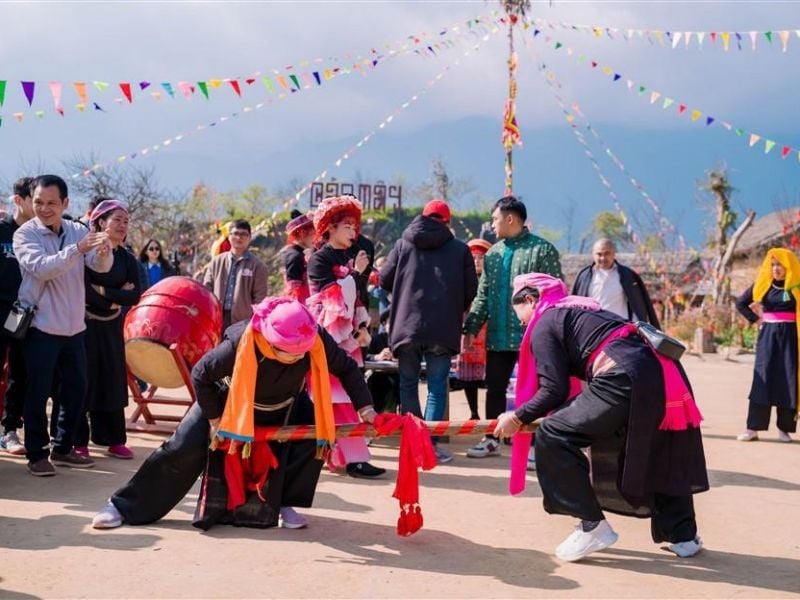
Today, this festival also attracts travelers, invited to discover Giáy culture through traditional games and culinary demonstrations.
2. Gau Tao Festival
Location: Hmong villages in Sapa – Period: Beginning of spring
The Gau Tao Festival is one of the main events for the Hmong people. It is organized to thank the gods and pray for health, happiness, and fertility.
The central symbol of this festival is the ritual bamboo pole (cây nêu), erected at the center of the hills, marking the beginning of celebrations.
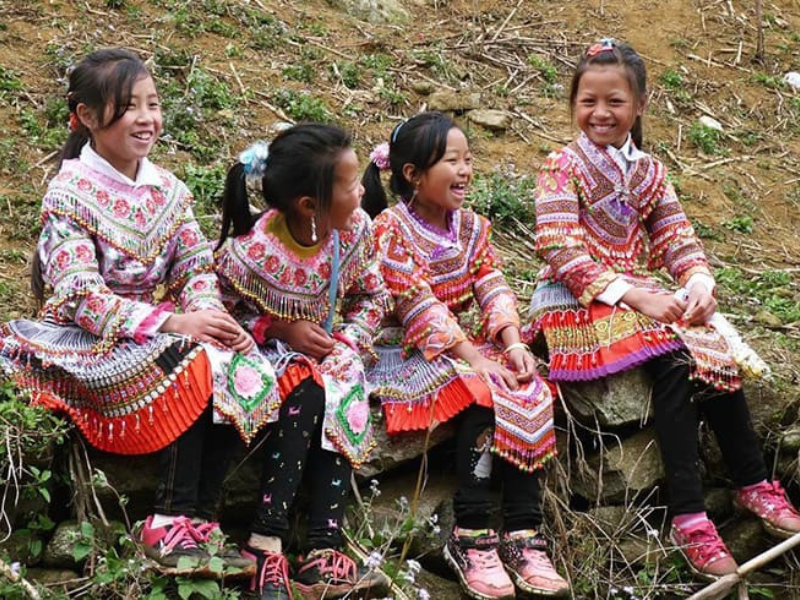
For three days, inhabitants gather to sing, dance, and participate in popular games. It is also an opportunity for young people to meet and express their feelings.
Among traditions, music, and collective joy, this festival is a strong and authentic cultural experience.
3. Roong Pooc Festival – Descent to the Fields
Location: Tả Van Giáy Hamlet – Period: First lunar month, day of the dragon
The Roong Pooc Festival marks the beginning of a new agricultural season for the Giáy ethnic group.
The villagers pray to the village’s protective spirit for abundant harvests and favorable weather.
Dressed in their traditional clothes, they gather to sing, dance, and challenge each other in collective games such as tug-of-war.
This joyful celebration embodies solidarity and gratitude toward nature.
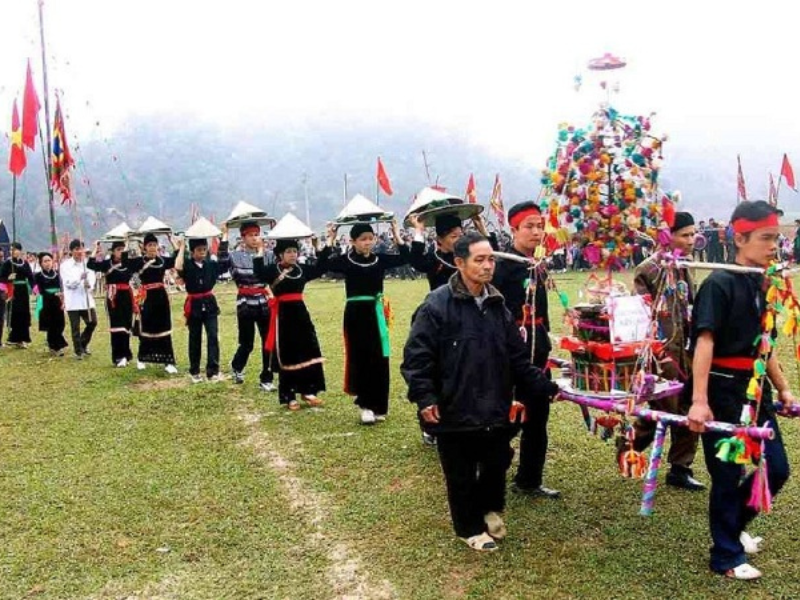
Since 2013, the Roong Pooc Festival has been inscribed in Vietnam’s intangible cultural heritage, a symbol of the vitality of Giáy traditions.
4. Put Tông Festival – The Tết Nhảy of the Red Dao
Location: Red Dao villages in Ta Phin, Trung Chai, Ngu Chi Son – Period: Beginning of the first lunar month
Celebrated by the Red Dao, the Put Tông Festival is a sacred ritual of eleven phases that blends dances, songs, and prayers.
Each symbolic movement invokes the spirits to protect the community and ensure happiness and prosperity.
This ceremony is an impressive experience in which spirituality, art, and social cohesion interweave.
Visitors can witness these fascinating rituals, discover traditional costumes, and taste local specialties prepared for the occasion.
5. Banana Blossom Festival (Lễ Hội Hoa Chuối)
Location: Xa Phó villages – Period: 9th day of the 9th lunar month
This colorful festival is dedicated to prosperity and fertility.
Families bring various offerings — rice, poultry, fermented fish, fruit — before participating in a grand ceremony led by the worship master.
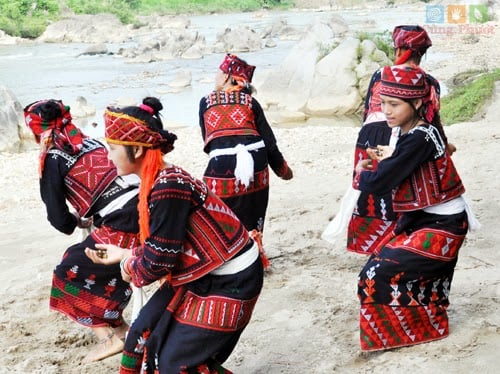
A banana tree trunk decorated with flowers is erected at the center of the village, marking the beginning of dances and songs.
The movements evoke hunting, harvesting, and daily life, in an atmosphere of joy and unity.
6. Village Purification Ceremony (Lễ Quét Làng)
Location: Xa Phó villages – Period: End of spring
This ceremony marks the end of New Year celebrations and aims to purify the village.
A shaman (Thầy Mo) is invited to each house to drive away evil spirits and bless the new year.
Once the rituals are completed, the village transforms into a place of celebration: dances, songs, and popular games follow one another in a warm atmosphere.
It is an intimate but meaningful celebration in which one can perceive all the spirituality and cohesion of the Xa Phó community.
7. Nao Sông Festival
Location: Tả Van, Lao Chải, and Thào Hồng villages – Period: January (lunar calendar)
The Nao Sông Festival, organized by the Hmong, has a strong community dimension.
It aims to strengthen collective rules: forest protection, respect for crops, and mutual aid among village inhabitants.
The inhabitants discuss, exchange ideas, and reaffirm their values of solidarity before sharing a large meal.
More than a simple festival, Nao Sông is a lesson in life and harmony between people and nature.
8. Mâu Thuong Temple Festival
Location: Mâu Thuong Temple, Sapa city center – Period: April
Dedicated to the goddess Liễu Hạnh, this religious festival is one of the most important in Sapa.
Ceremonies include processions, offerings, and spiritual dances such as the Hầu Đồng, a spectacular ritual trance.
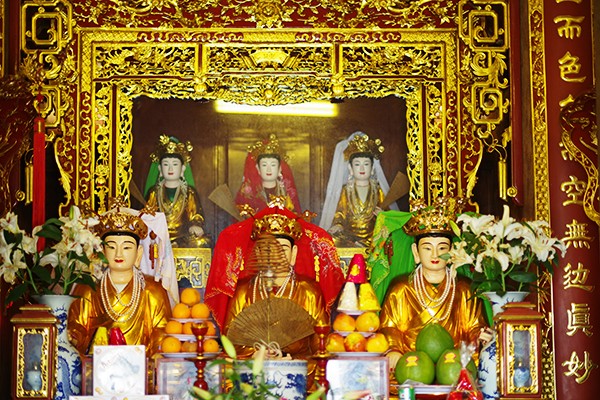
Beyond its religious aspect, this festival also marks the beginning of the tourist season in Sapa, attracting pilgrims and visitors curious to discover the cultural wealth of northern Vietnam.
Conclusion
Festivals in Sapa are not simple celebrations: they are living mirrors of Vietnam’s ancestral traditions.
Through their dances, songs, and rituals, they tell of gratitude toward nature, respect for ancestors, and the community spirit of mountain ethnic groups.
Attending these festivals means experiencing an authentic immersion in Sapa’s soul — among spirituality, beauty, and sharing.


Our recommended itineraries
 Nature and Active travel
Northern Vietnam Explorer in 9 days and 8 nights
About ten days
Hanoi - Ha Long Bay - Saigon - Mekong Delta - Siem Reap - Luang Prabang - Pak Ou Caves - Kuang Si Waterfall
 Classic
Vietnam Exclusive in 13 Days
About 2 weeks
Hanoi - Bai Tu Long - Hue - Da Nang - Hoi An - Saigon - Mekong Delta