+84 9 75 46 33 10 (Whatsapp)
  info@horizon-vietnamtravel.com
  Français
  Español
  Português
  Deutsch

Where is Sapa Located?
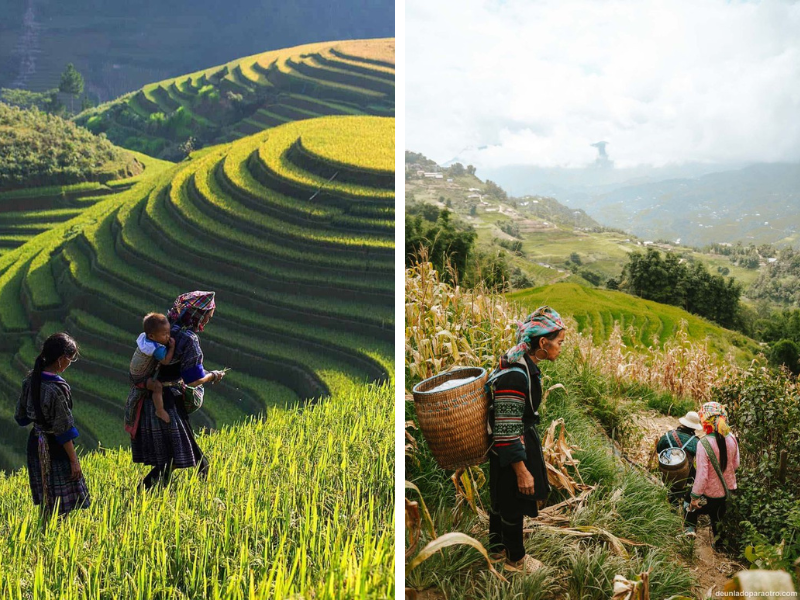
Located in Lao Cai province, approximately 376 km from Hanoi, Sapa sits near the Chinese border. The town, perched on the slopes of Mount Lo Suay Tong, overlooks a spectacular valley. It is one of the jewels of the Upper Tonkin, a region rich in ethnic diversity and breathtaking landscapes.
How to Get to Sapa from Hanoi?
By Overnight Train
The most mythical route remains the overnight train Hanoi – Lao Cai. It takes approximately 8 to 9 hours to reach Lao Cai, then 1 additional hour by road to arrive in Sapa. This slow and picturesque journey is a wonderful introduction before reaching the mountains.
By Express Bus or Private Car
Since the highway opened, it is also possible to reach Sapa by express bus (6 to 7 hours) or private car (5 hours). This option is ideal for enjoying comfort and flexibility, especially if traveling with Horizon Vietnam Travel.
A Unique Mountain Climate
Thanks to its altitude, Sapa enjoys a temperate climate throughout the year. Temperatures rarely exceed 24°C.
- March to May: mild season, fruit trees in bloom.
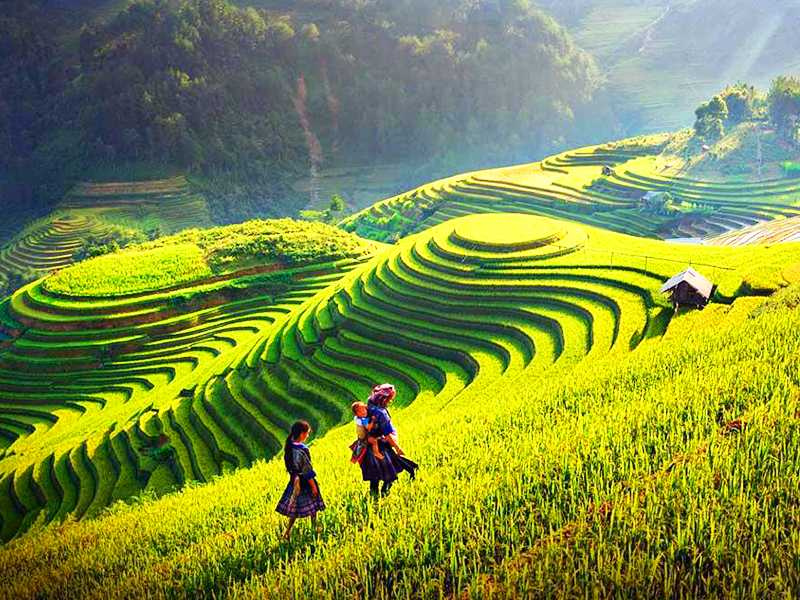
- August to October: the most spectacular period — golden rice fields ready for harvest.
- December to February: mists and sometimes snow transform Sapa into a fairy-tale setting.
The Ethnicities of Sapa: A Living Heritage
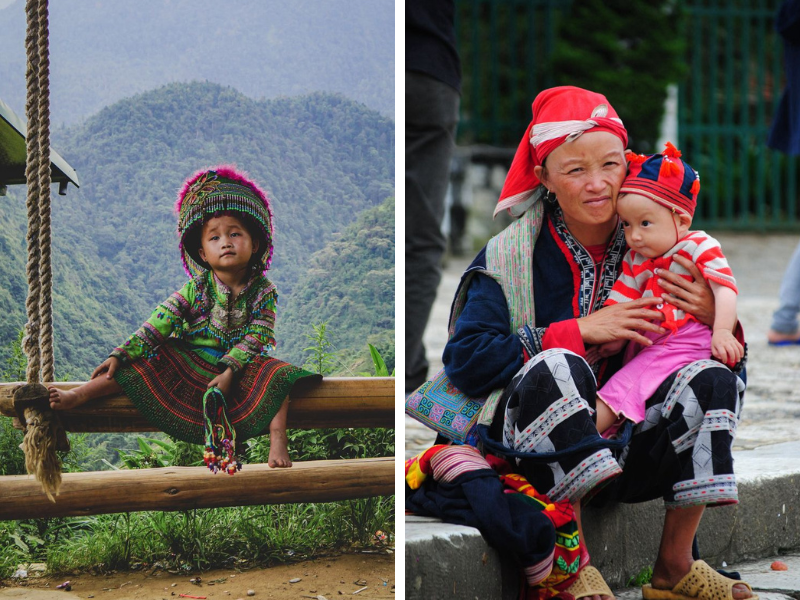
The beating heart of Sapa is its inhabitants: Black Hmong, Red Dao, Tay, Giay, Xa Pho… These ethnic minorities preserve an ancestral lifestyle made of agriculture, weaving, and oral traditions.
Colorful costumes, silver jewelry, and community rituals remind us of the cultural richness of these mountains.
During your stay, it is possible to spend a night with a local host — a moment of sincere exchange and sharing around a meal and a glass of rice wine. An experience we highly recommend.
What to Do in Sapa? The Must-Sees
Hiking in Hoang Lien National Park
This vast park is home to over 2,000 plant species and rare wildlife. It is a paradise for hikers: trails through rice fields, bamboo forests, waterfalls, and spectacular viewpoints.
Our local guides will lead you on the most beautiful trails, suited to your level.
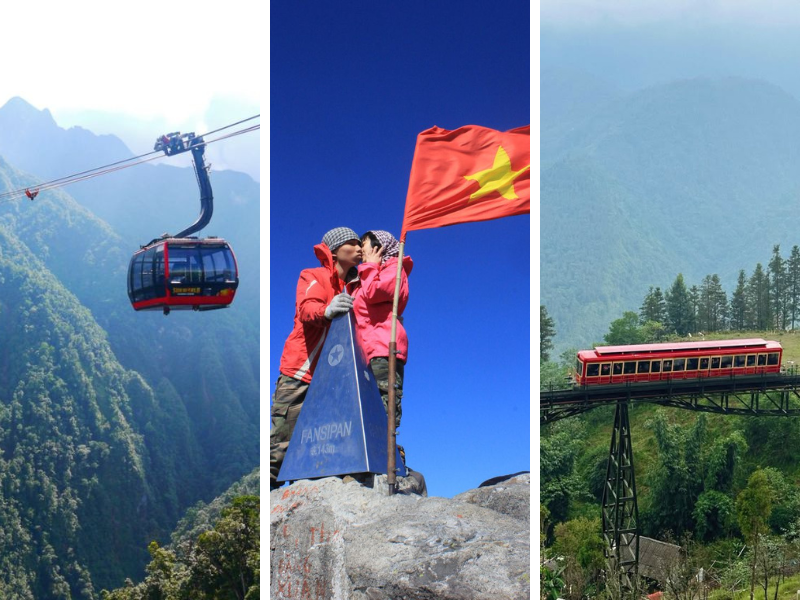
Climbing Mount Fansipan – The Roof of Indochina
At 3,143 meters, Fansipan is Vietnam’s highest peak. The most courageous can attempt the hike to the summit in two or three days.
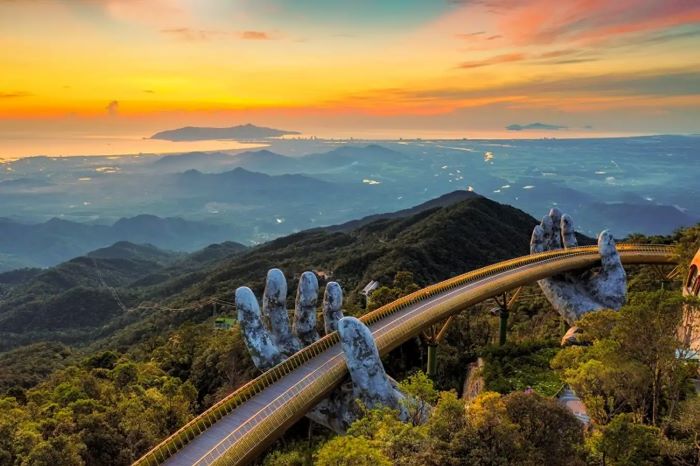
But since 2016, a panoramic cable car allows everyone to reach the summit in minutes, offering a spectacular view over the valley.
Authentic Villages to Visit
- Cat Cat: the closest to Sapa, accessible on foot (3 km). Here you discover traditional Hmong weaving.
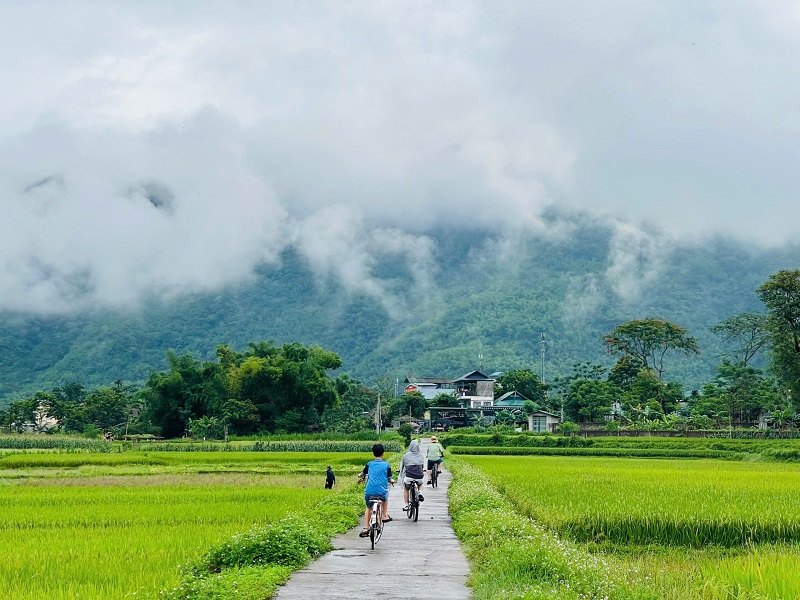
- Lao Chai and Ta Van: in the heart of Muong Hoa valley, these villages are perfect for gentle hikes through rice fields and hamlets.
- Ta Phin: village of the Red Dao known for their medicinal herb baths.
These villages perfectly illustrate mountain daily life and offer unforgettable human encounters.
Ethnic Markets
The colorful markets of Sapa and Bac Ha are true visual festivals. Each week, mountain dwellers come down to sell their goods: fruit, spices, fabrics, jewelry, handicrafts…
A total immersion in local life, where smiles often replace words.
Silver Waterfall – Thac Bac
Located 12 km from the center, Thac Bac waterfall (“Silver Falls”) plunges from the mountain with thunder. The water sparkles in the sun and refreshes visitors — a perfect stop after a hike.
Sapa Church
Built in stone by the French in the early 20th century, Notre-Dame du Rosaire Church is an emblematic landmark of the town. It is the spiritual heart of Sapa and a fascinating vestige of its colonial past.
Where to Sleep and Eat in Sapa?
Sleeping
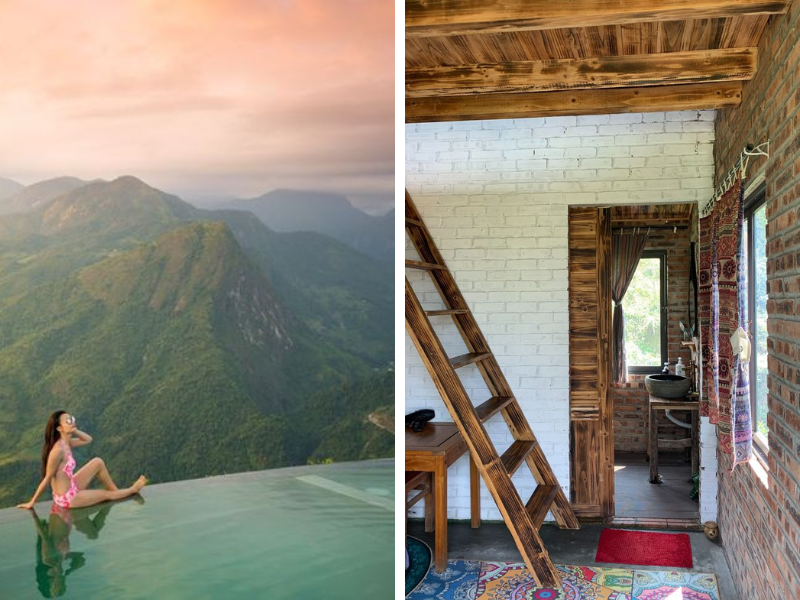
Sapa offers a wide range of accommodations:
- Modern hotels in the center for greater comfort
- Lodges and homestays in villages for an immersive experience
Horizon Vietnam Travel selects the best value-for-money options for you, according to your wishes and travel style.
Eating
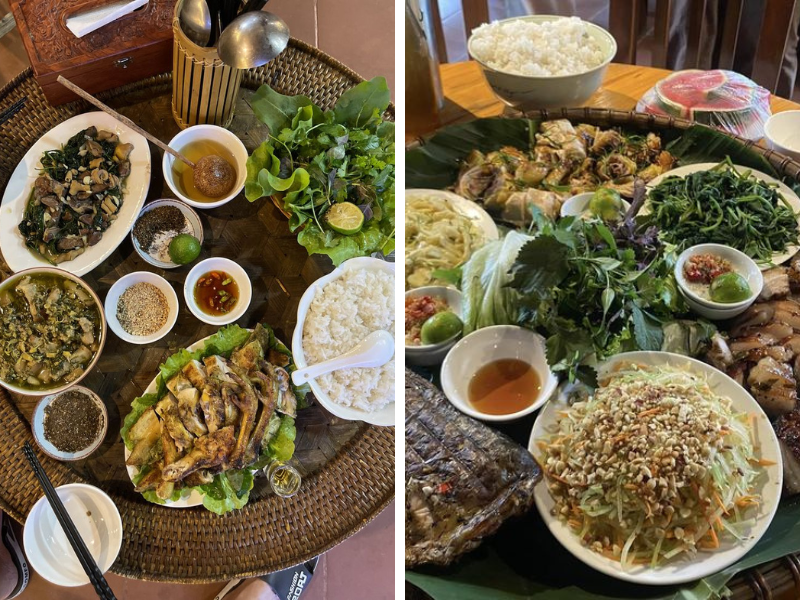
Local gastronomy highlights mountain products: trout, wild vegetables, sticky rice, Vietnamese hot pot (hot pot)…
We especially recommend:
- Moment Romantic: refined Vietnamese cuisine
- Gerbera: convivial hot pot
- Le Gecko: welcoming atmosphere and artisanal pastry
When to Visit Sapa?
The best times are:
- April to May: rice fields are green and nature is in bloom.
- August to October: rice fields turn golden, the landscape becomes fairy-tale-like.
These are also the most favorable periods for hikes and immersive stays with local hosts.
Why Visit Sapa with Horizon Vietnam Travel?
At Horizon Vietnam Travel, we create tailor-made journeys that unite nature, culture, and authenticity.
Our local guides will show you secret trails, remote villages, and living traditions of Sapa.
Each circuit is designed to offer you an unforgettable human immersion, with respect for local communities.