+84 9 75 46 33 10 (Whatsapp)
  info@horizon-vietnamtravel.com
  Français
  Español
  Português
  Deutsch

The Mekong Delta: Complete Guide to Vietnam’s Rice Bowl
Table of contents
The Mekong Delta is often nicknamed Vietnam’s rice bowl.
Crossed by the Mekong – the 12th longest river in the world and the 7th in Asia – this fascinating region extends across a complex network of rivers, channels and islands.
The river crosses six countries: China, Laos, Myanmar, Thailand, Cambodia and Vietnam.
In Vietnam, it is called Sông Cửu Long, the river of nine dragons, referring to its nine branches that flow into the sea.
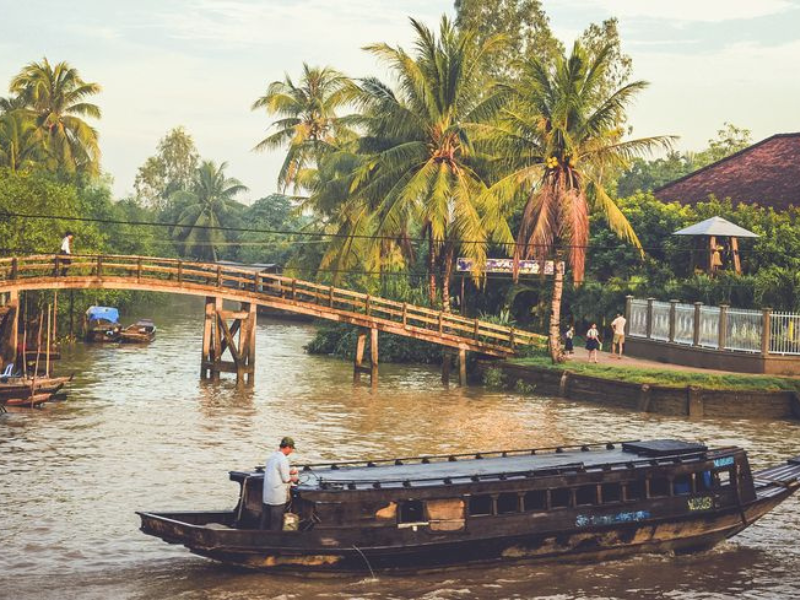
The Landscapes of the Mekong Delta
The delta forms a world at once terrestrial and aquatic, shaped by the river’s floods and sediments.
This unique landscape is composed of lush channels, sparkling rice fields, tropical fruit orchards and peaceful villages that live at the rhythm of the water.
Naturally fertile and prosperous region, the delta ensures an essential part of Vietnam’s food production.
Although it represents only 12% of the country’s land area, it contributes over 50% of rice production, making Vietnam the 2nd largest exporter, just behind Thailand.
Here, everything depends on the river: agriculture, fishing, transportation and even traditions.
Inhabitants often prefer to move around by boat rather than by motorbike!
Fauna and Flora
The Mekong Delta hosts exceptional biodiversity.
The fertile waters create an ideal habitat for numerous bird, reptile and fish species.
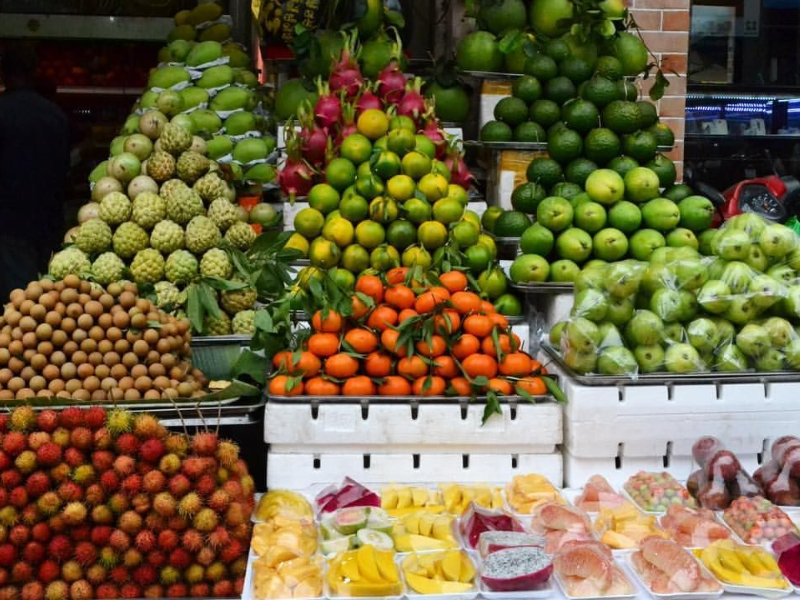
It is also the country’s main tropical fruit-producing region (about 70%), as well as the leading rice export zone (almost 60%).
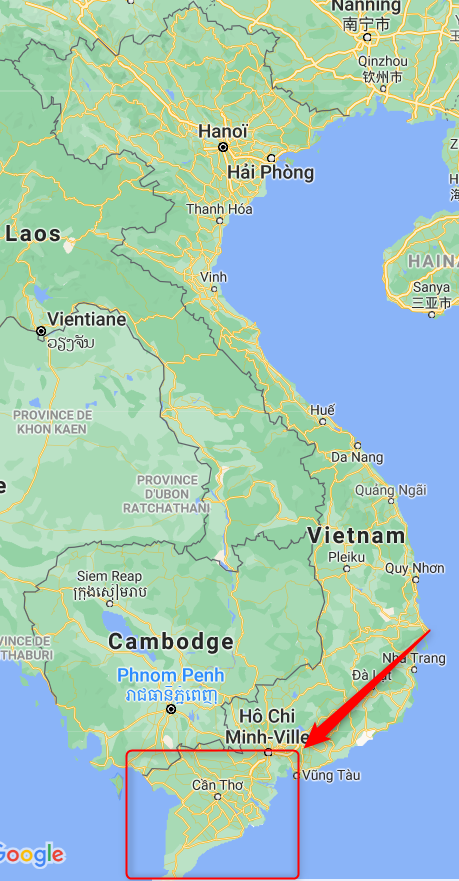
Where is the Mekong Delta Located?
The delta extends to the extreme south of Vietnam, between Ho Chi Minh City, the Cambodian border, the South China Sea and the Gulf of Siam.
This vast fertile plain is crossed by the nine branches of the Mekong, from which its Vietnamese name Cửu Long – the “nine dragons” – comes.
What to See in the Mekong Delta?
The Mekong Delta is first and foremost a lifestyle to experience.
More than a destination, it is a universe governed by water, nature and the conviviality of its inhabitants.
Every encounter, every boat crossing or fruit tasting becomes an immersion in the culture of southern Vietnam.
For other ideas, also discover: Top 10 activities to do in the Mekong Delta
Discovering the Delta’s People
Traveling in the Mekong Delta means discovering the authentic life of the inhabitants who depend on the river to live.
People are welcoming, calm and generous.
They eagerly welcome visitors to their homes to share a meal or spend a night, simply for the pleasure of meeting.
Here you find serenity far from the noise of cities, in a peaceful and benevolent atmosphere.
The Main Stops of the Mekong Delta
My Tho and Surroundings
Located just 2 hours from Saigon, My Tho (Tien Giang province) is the ideal starting point for exploring the Mekong by boat.
The region is known for its rice fields, its lush fruit orchards and its ethnic diversity (Kinh, Hoa, Khmer, Tây).
River walks around the islands offer a typical glimpse of life in the delta.
Ben Tre
Nicknamed the land of coconuts, Ben Tre is renowned for its untouched natural landscapes and peaceful channels.
You can visit small coconut candy production workshops or artisanal brick workshops.
Boat or bicycle rides allow you to explore this quiet and authentic countryside.
Vinh Long
In the heart of the delta, between the Hau and Tien rivers, Vinh Long is a fertile province renowned for fishing and tropical fruit cultivation: rambutan, mangosteen, durian…
You discover a simple and rural life, marked by floating markets and fruit orchards.
Can Tho – the Delta’s Capital
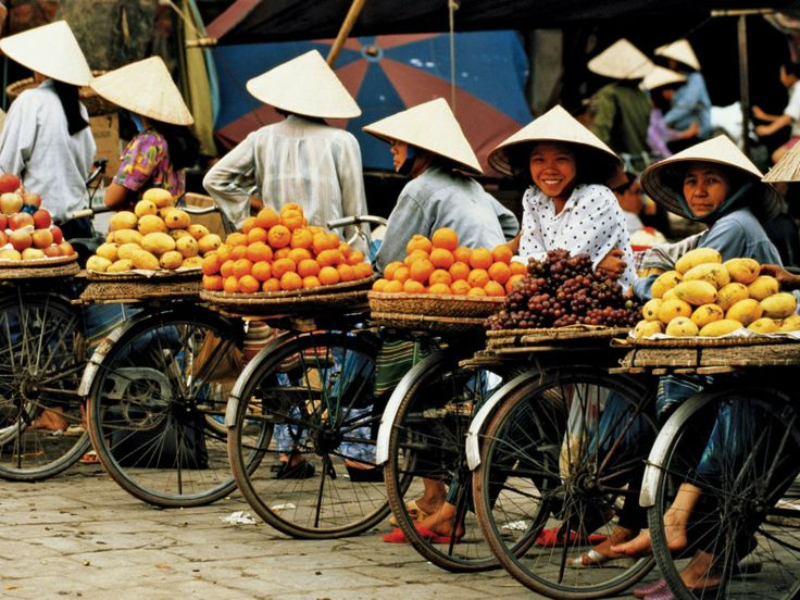
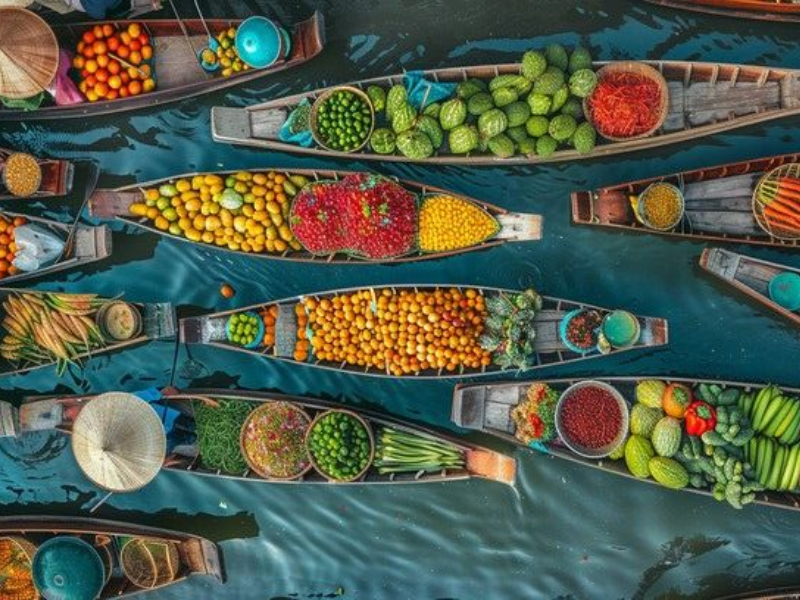
Can Tho is the largest city in the Mekong Delta, both an economic and cultural center. Its impressive suspension bridge symbolizes the modernity of the region. But it is above all for its floating markets that the city attracts travelers.
The most famous is Cai Rang, a few kilometers from the center. You must visit it early in the morning to admire its hustle and bustle and taste fresh fruit from a boat. Quieter, the Phong Điền market offers a more authentic atmosphere.
Chau Đoc
Bordering Cambodia, Chau Đoc (An Giang province) seduces with its cultural diversity: Khmer, Cham and Vietnamese people coexist harmoniously here.
You can visit mosques, temples, pagodas and lively markets.
Floating houses and the Trà Sư bird sanctuary are among the must-sees.
It’s a nice stop to perceive Cambodian influence without leaving Vietnam.
Floating Homes and Markets
Throughout the delta, inhabitants have adapted to the rising waters.
They have developed a unique lifestyle: stilt houses, floating markets, boat transportation.
These scenes of daily life make the delta at once photogenic and fascinating.
When to Travel to the Mekong Delta?
The subtropical climate allows a visit during the entire year.
- From December to May: dry season, ideal for walks and excursions.
- From May to October: rainy season, called mùa nước nổi (“season of rising waters”). The countryside then becomes covered with water, aquatic fauna multiplies and landscapes become greener and brighter.
The months of September and October also offer an exceptional floral display, particularly in My Tho and Sa Dec.
The average temperature varies between 23°C and 34°C throughout the year.


Our recommended itineraries
 Nature and Active travel
Northern Vietnam Explorer in 9 days and 8 nights
About ten days
Hanoi - Ha Long Bay - Saigon - Mekong Delta - Siem Reap - Luang Prabang - Pak Ou Caves - Kuang Si Waterfall
 Classic
Vietnam Exclusive in 13 Days
About 2 weeks
Hanoi - Bai Tu Long - Hue - Da Nang - Hoi An - Saigon - Mekong Delta