+84 9 75 46 33 10 (Whatsapp)
  info@horizon-vietnamtravel.com
  Français
  Español
  Português
  Deutsch
 https://horizontest-england.horizon-vietnam.com/circuit/delta-du-mekong-et-ile-de-con-dao/
https://horizontest-england.horizon-vietnam.com/circuit/du-delta-du-mekong-a-la-baie-dhalong/


Celebrated for its fruit orchards, vast rice paddies, lush landscapes, and vibrant floating markets, the Mekong Delta is one of the essential stops on any Vietnam journey.
But what to see and what to do in this captivating region? Here are 10 must-do activities during your stay in the Mekong Delta in Vietnam.
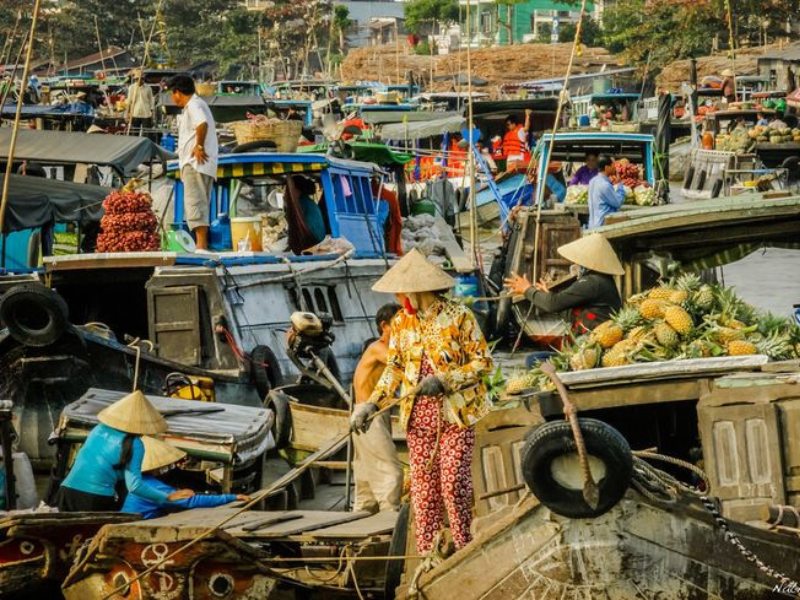
Floating markets are an integral part of daily life for Mekong inhabitants. These lively trading hubs serve far more than commerce: they are spaces for encounter and sharing.
A morning visit will allow you to experience the unique energy of this river culture. You can also taste local specialties directly from a boat – a bowl of hot noodles or a fragrant coffee in the peaceful river setting.
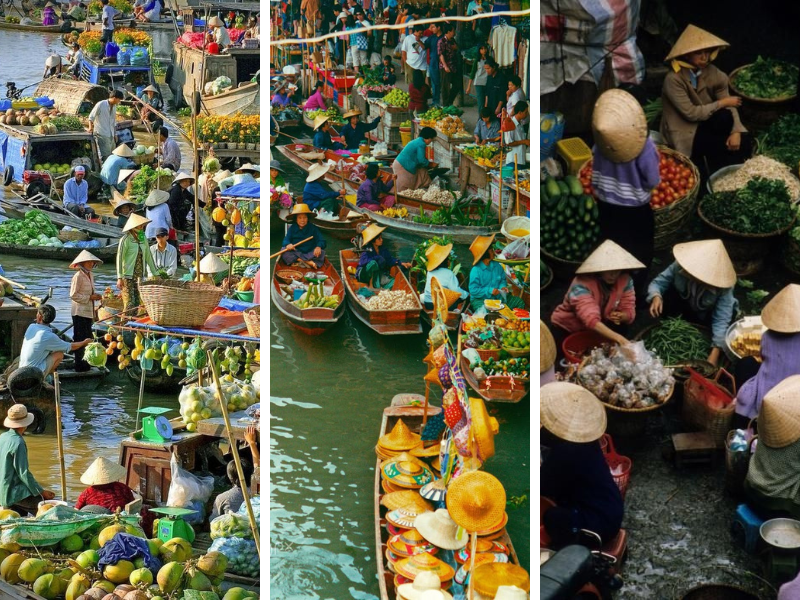
Tip: Set out very early in the morning, when temperatures are mild and activity is at its peak.
Some floating markets not to miss:
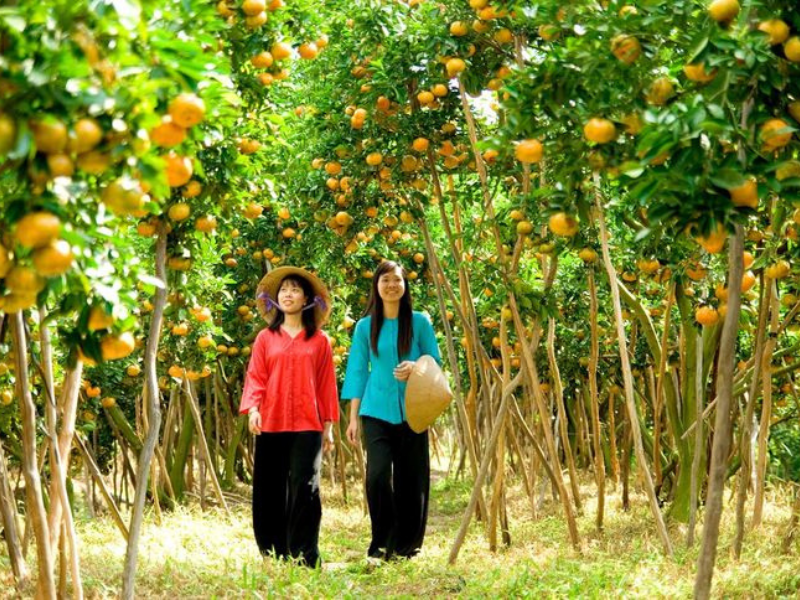
Thanks to its rich alluvial soils, the Mekong Delta is a true paradise for tropical fruits.
The best time to visit the orchards is between May and August, during the harvest season.
Set off to explore the lush orchards of Cái Bè, Vĩnh Kim (Tiền Giang), Cái Mơn (Bến Tre), or Mỹ Khánh (Cần Thơ). You’ll taste mangoes, longans, guavas, rambutans, durians… A true festival of flavors and colors!
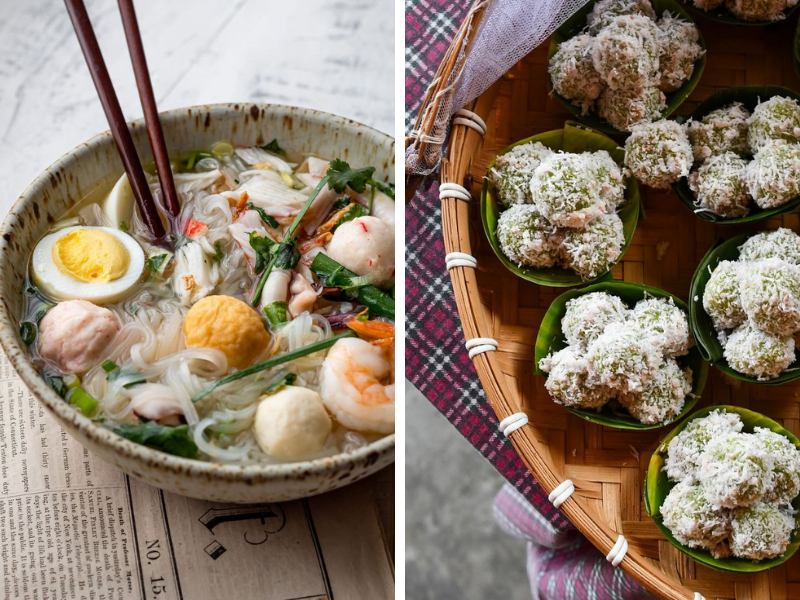
The Mekong Delta cuisine stands out for its simplicity and authenticity. Here, no fancy dishes, but flavorful recipes prepared with fresh, local ingredients.
Bến Tre is the coconut capital of Vietnam. Its famous candies, made with coconut extract and malt syrup, are wrapped in rice paper and then in biodegradable packaging. A sweet, sugary treat with an eco-conscious twist to take home!
Originating from Mỹ Tho province, hủ tiếu combines noodles, pork, seafood, and crispy vegetables. A richly flavored dish, perfect for a Vietnamese breakfast.
Where to eat in Mỹ Tho:
Specializing in chickpeas, ground meat, and shrimp, bánh cống is best enjoyed hot, accompanied by a sweet, sour, and slightly spicy sauce.
Where to eat in Cần Thơ:
Staying with a local family is an authentic and warm experience. You’ll share the daily life of local families, participate in cooking, gardening, or caring for animals, and experience moments of unique conviviality.
Stays are possible in most villages, particularly with the Kinh (Mỹ Tho, Bến Tre, Cần Thơ, Long Xuyên) or Khmer (Trà Vinh).
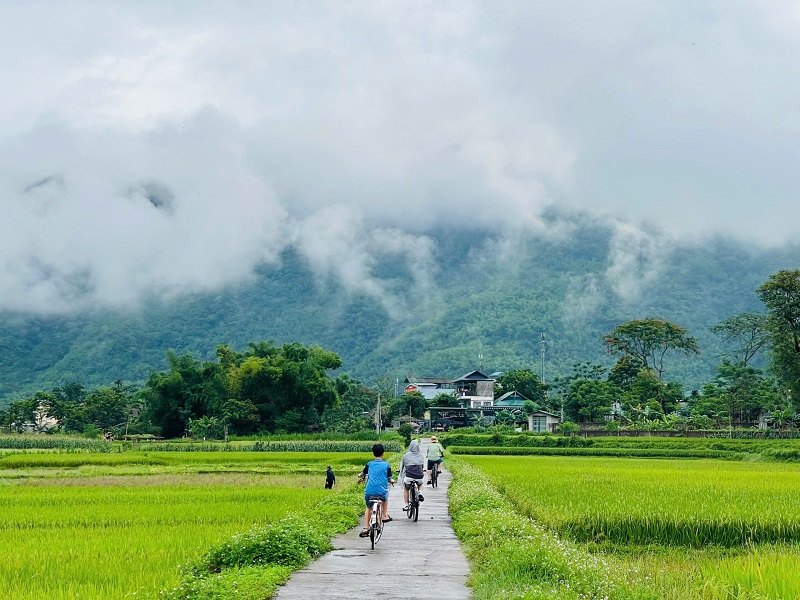
Early in the morning, get on a bicycle for a ride through the rice paddies and villages.
Here, there are no spectacular mountains like in Ninh Bình, but a peaceful and refreshing atmosphere.
You can stop at any moment to taste a local dish, have a coffee, or simply enjoy the calm of the countryside.
The Trà Sư forest, in An Giang province, is a magical place for nature lovers.
Aboard a small boat, let yourself be carried among the melaleuca trees, listen to the birdsong, and admire the flora of wetland zones.
A relaxing immersion in the heart of a unique ecosystem.
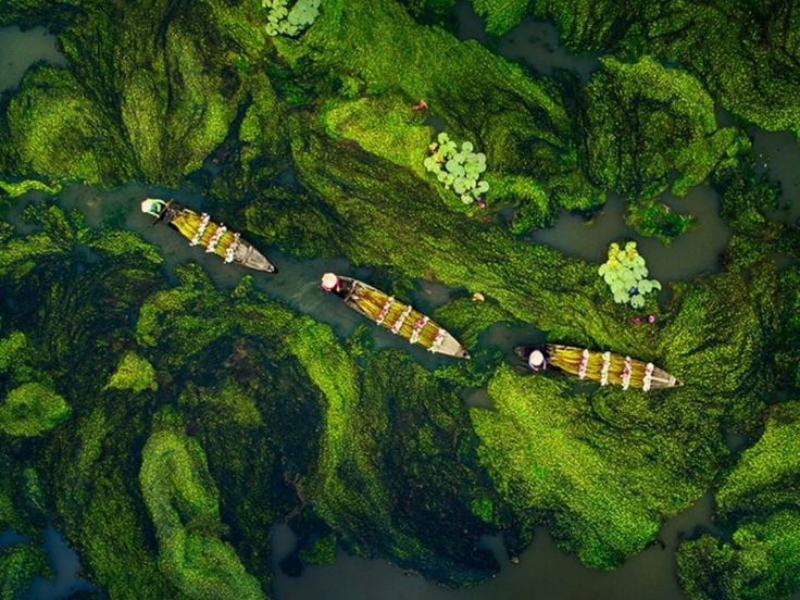
Located in Long An province, the floating village of Tân Lập is an ecotourism gem.
You navigate through flooded forests, canals, and blooming water lilies (from September to November).
A romantic and peaceful escape, perfect for reconnecting with nature.
Known as the Mekong’s floral paradise, Sa Đéc attracts visitors every spring with its thousands of colorful flowers.
But the city also possesses a rich historical heritage: the ancient house of Huỳnh Thủy Lê, made famous by Marguerite Duras’s novel The Lover, is a perfect example.
With its glass windows, antique furniture, and decorative tiles, the house is a small jewel for history and literature enthusiasts.
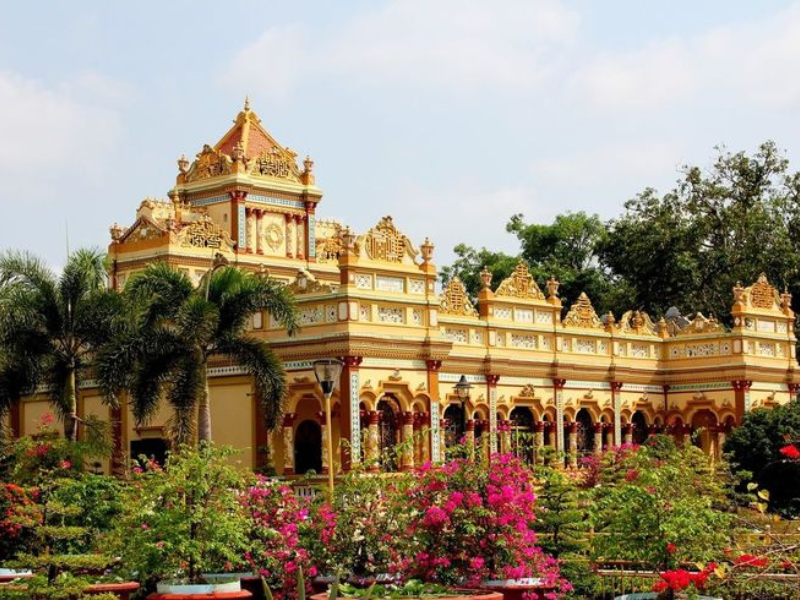
Located in Mỹ Tho, Vĩnh Tràng Pagoda is one of the largest temples in southern Vietnam.
Its architecture harmoniously blends French, Roman, Thai, Mien, and Cham styles, creating a unique spiritual atmosphere.
Outside, imposing Buddha statues – standing, sitting, or reclining – dominate a peaceful garden surrounded by lotus flowers.
A perfect place to meditate and regenerate.
“Don ca tai tu” is a musical art form typical of southern Vietnam, classified as a UNESCO intangible cultural heritage.
The melodies are performed with four traditional instruments: the moon-shaped lute, the two-string viola, the sixteen-string zither, and the monochord.
Attending a đờn ca tài tử concert means immersing yourself in the musical soul of the Mekong Delta, between nostalgia and sweetness.
Among floating markets, boat rides, lush forests, and musical traditions, the Mekong Delta offers a diversity of unforgettable experiences.
For complete immersion in this captivating region, let the experts at Horizon Vietnam Travel guide you and experience the Mekong like a local!
Discover our circuits in the Mekong Delta:
https://horizontest-england.horizon-vietnam.com/circuit/delta-du-mekong-et-ile-de-con-dao/
https://horizontest-england.horizon-vietnam.com/circuit/du-delta-du-mekong-a-la-baie-dhalong/
 Nature and Active travel
About ten days
Hanoi - Ha Long Bay - Saigon - Mekong Delta - Siem Reap - Luang Prabang - Pak Ou Caves - Kuang Si Waterfall
 Classic
About 2 weeks
Hanoi - Bai Tu Long - Hue - Da Nang - Hoi An - Saigon - Mekong Delta