+84 9 75 46 33 10 (Whatsapp)
  info@horizon-vietnamtravel.com
  Français
  Español
  Português
  Deutsch

Vaccines for Vietnam
Table of contents
Thinking of traveling to Vietnam? We’re delighted to present this article on the health situation and vaccines for Vietnam as well as the necessary precautionary measures, in the hope that your trip to Vietnam will be fully successful.
1. Before departing for Vietnam
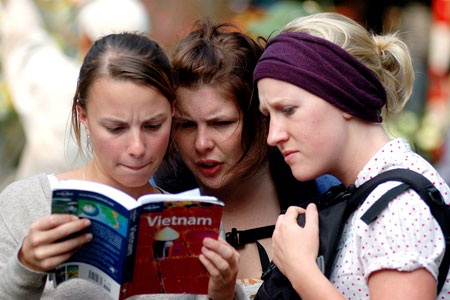
Before leaving, you can seek advice from your doctor or an international vaccination center in your country.
Some sources of information :
– Regional Health Authority – International Travel Medicine Services, present in each Italian region
– “Travel Safely” of the Ministry of Foreign Affairs and International Cooperation (www.viaggiaresicuri.it)
– Higher Institute of Health (ISS) – Health information for international travelers
Administrative or practical information :
– Ministry of Foreign Affairs and International Cooperation (www.esteri.it)
– Italian Embassy in Vietnam (https://ambhanoi.esteri.it)
– Or you can consult the website of the Vietnamese Consulate in your country.
2. Recommended vaccines in Vietnam.
– HEPATITIS A (vaccine Vietnam) : recommended before departing for a trip to Laos or Cambodia.
– HEPATITIS B (vaccine Vietnam) : everyone can benefit from this vaccine provided they are at least two years old. It is part of the 3 vaccines recommended for Cambodia, although it is not mandatory
– DT POLIO (vaccine Vietnam), if your vaccination dates back more than 10 years, don’t forget to have a booster before you leave.
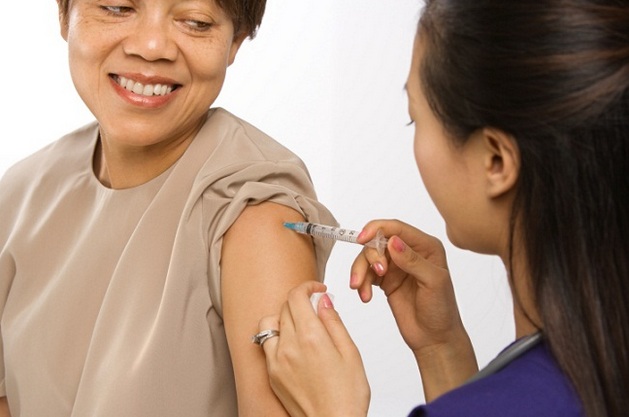
– Japanese Encephalitis : Similarly, if you plan to travel to a rural area during the rainy season in Vietnam (see the article : when to go to Vietnam?), we recommend that you get vaccinated against Japanese encephalitis. There is no need for this vaccine if you only travel in major Vietnamese cities. (Complementary Vietnam vaccines)
Vaccines to get for visits outside the main cities :
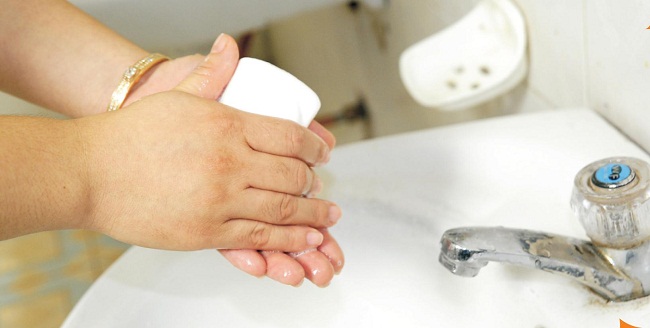
– Typhoid Fever , transmitted by water and food contaminated with fecal matter, hence special attention should be paid to beverages and washing fruit and vegetables. Always wash your hands ++++. Vaccine valid for 3 years, to be done 1 month before departure.
– Yellow Fever or anti-yellow fever : transmitted by mosquitoes. Be sure to get vaccinated well against yellow fever if you must spend a stay in regions off the beaten path in Vietnam with nights at a local home or in the jungle for example, where hygiene conditions are basic. If you only stay in major cities like Hanoi, Ho Chi Minh, Hué or Hoi An, you won’t need the vaccine.
3. Prevention of digestive tract infections
To travel to a foreign country, travelers must gradually become accustomed to new lifestyles, including diet.
Food : It is recommended to consume freshly cooked food and avoid cold cuts, pastries or dairy products. For vegetables, they must be washed with clean water, preferably boiled. As for fruit, it’s best to peel it for safety.
Beverages : It is preferable to drink water that has been previously boiled or that in sealed bottles, otherwise you must treat it chemically or filter it. It is not recommended to take ice from unknown sources.
Hands: always wash them before eating (to reduce infectious risk)
4. Prevention of malaria
Vietnamese malaria, although feared, is present only in restricted areas : there is no malaria in major cities, nor in tourist coastal cities, nor in rice field plains. It is therefore only very exceptionally that the traveler will be confronted with the malaria problem.
In the event that you stay in so-called “at-risk” areas, first of all, it is necessary that your doctor prescribes the most suitable drug for you (destination, type of stay, accommodation, your health status…) and that you seriously follow these instructions (type of drug, start date as well as end date, frequency..). Additionally, it should be noted that mosquitoes bite mainly at night and can transmit the disease. Therefore, it is recommended to sleep under an insecticide-treated mosquito net or in an air-conditioned and disinfected room or to use mosquito repellents on exposed parts of the body and spray your clothes with an insecticide.
Note : The risk of malaria is very minimal but always possible. In case you suspect malaria (spiking fever, aches, possibly other symptoms) during your trip or even in the days following your return, consult a doctor immediately (within 12 hours).
5. Other preventive measures :
– Body hygiene
To avoid infectious skin problems, such as fungal infections, you need to have rigorous body hygiene. Always dry your skin.
– Clothing
Wear loose, clean, breathable clothes, suitable for the climate, made of cotton and linen rather than synthetics.
– Insects
The essential precaution is the prevention of malaria (see above). During the day, to avoid the discomfort caused by insect bites and to reduce the risk of inoculation of other diseases (dengue, Japanese encephalitis, etc…), you must cover your arms and legs especially in the evening, use repellents and insecticides on your clothes.
– Road safety :
A trip without any setbacks is always ideal. For traffic and travel, you must be very careful to avoid road accidents which represent the greatest risk in all countries.
– Sexual relations: Through this route, diseases such as Hepatitis B, AIDS and many others can be transmitted. Therefore, it is best to protect yourself or refrain from sexual relations during your stay.
– Safety: Consult the website : “Advice to Travelers” of the Ministry of Foreign Affairs.
– Animals : During visits, it is advised not to approach either birds, nor live poultry (to avoid any risk of avian flu), nor dogs, even if they seem healthy (to avoid the risk of rabies).
Poisonous substances :
Currently, many tourists tend to go trekking and thus put themselves in more “at-risk” situations, so it is necessary to clarify that in the jungle you can encounter snakes and spiders.. Therefore, walking in an uncleared forest, in bushes or on dark terrain at night is not recommended. In the event that you are bitten or stung, you must clean the wound and get to a medical care center as soon as possible.
– Avian flu : At present, there have been no cases of human-to-human transmission of avian flu (apart from some suspected cases of this type of transmission). It is recommended to avoid poultry farms and live poultry markets in places where this virus has struck (or is still striking).
6. Other advice :
Before you leave, you must pay attention to your good physical condition and also dental health.
Plan for one or two pairs of spare glasses if you wear glasses.
If you are taking medication : carry the medicines you will need in case of a short stay (carry your prescription). For a long stay, your doctor or vaccination center will provide you with information on local health resources or pharmaceutical resources.
Leave with your Health Assistance and Medical Insurance contracts for a well-insured trip.
7. Return from the trip
Upon your return from the trip, for the slightest health problem (fever, skin lesions or digestive problems, etc.) in the days or weeks following, consult your doctor without hesitation, reminding him of your trip.
Have a great trip to Vietnam !