+84 9 75 46 33 10 (Whatsapp)
  info@horizon-vietnamtravel.com
  Français
  Español
  Português
  Deutsch

Top 10 Traditional Crafts Villages Around Hanoi
Table of contents
Hanoi, the millennial capital of Vietnam, is an unmissable destination for lovers of culture and history. But beyond its emblematic monuments and vibrant streets, the city is surrounded by a mosaic of traditional craft villages, where traditions and knowledge are passed down through the centuries. These villages are not just places of artisanal production, but also living testimonies to a rich and diversified cultural heritage. By visiting them, you will have the opportunity to immerse yourself in the heart of Vietnamese craftsmanship, meet passionate artisans, and take with you unique memories full of history. Here are some of the most notable villages to explore during your trip.
Top 10 Traditional Crafts Villages Around Hanoi
1. Bat Trang Ceramics Village

Visitors have the opportunity to participate in hands-on workshops to shape and paint their own ceramics.
Located about 13 km from central Hanoi, Bat Trang is a renowned village famous for its mastery in ceramics, dating back over 700 years. Local artisans produce exceptional quality pieces, ranging from everyday items such as bowls and vases to genuine decorative works of art. During your visit, you can observe the entire creation process, from mixing clay with natural materials to firing in traditional kilns. The art galleries of the village display a wide variety of unique creations, ranging from contemporary pieces to more traditional designs. Additionally, you will have the opportunity to participate in hands-on workshops to shape and paint your own ceramics. Take with you an authentic memory of your experience in Bat Trang — a piece created with your own hands or selected from local masterpieces.
2. Van Phuc Silk Village
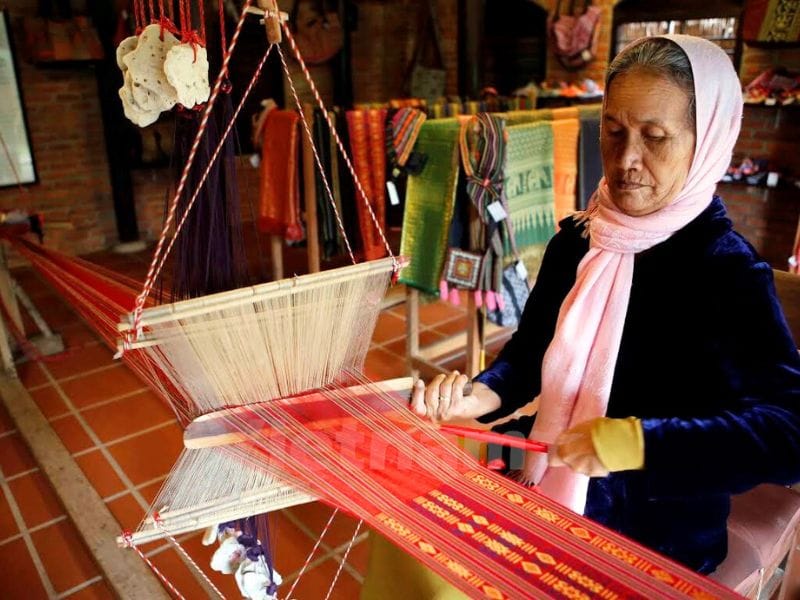
Visitors have the opportunity to meet the artisans during a visit to Van Phuc silk village
Only 10 km from Hanoi, the village of Van Phuc is renowned for its fine silk and elegant patterns. This tradition, over a thousand years old, continues to thrive thanks to weaving techniques passed down from generation to generation. Visitors can explore the workshops where silk is spun, dyed, and hand-woven. The village also offers a wide range of products to purchase, including scarves, garments, and accessories made from this luxurious silk. Strolling through Van Phuc allows you to appreciate both the beauty of the craft and the charm of the village. You will also discover fascinating stories about the origin of the traditional patterns that have made Van Phuc silk famous.
3. Chuong Conical Hat Village
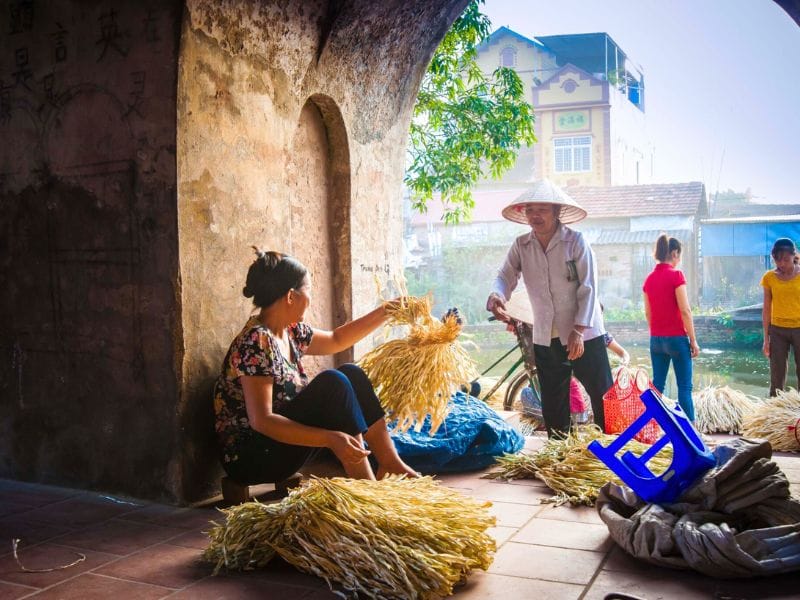
Discover the unique expertise of Chuong village, the cradle of the famous Vietnamese conical hats.
The village of Chuong, located about 30 km from Hanoi, is an important production center for the famous conical hats, called nón lá. These hats, an iconic symbol of Vietnam, are made from dried palm leaves, bamboo, and silk for the decorations. You can watch artisans as they precisely cut materials, assemble structures, and sew the layers of leaves. These hats, both practical and elegant, reflect the ingenuity and rural lifestyle of the Vietnamese. Visitors also have the opportunity to learn directly from the locals the artisanal techniques that constitute the pride of this village.
4. Tây Tuu Flower Village
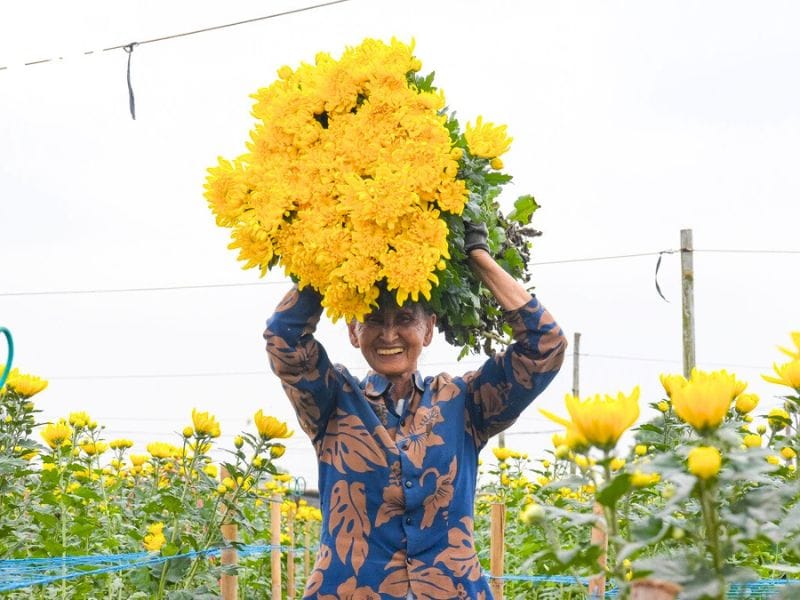
The smile of the flower cultivator of Tây Tuu village lights up every flower-filled field
About 20 km from Hanoi, Tây Tuu is a picturesque village specializing in flower cultivation. Its fields overflow with floral varieties, including roses, lilies, daisies, and gladiolus, grown for local markets and major occasions. Visitors can stroll through fragrant gardens, discover cultivation techniques, and even purchase freshly cut flower bouquets. This place is ideal for photography and nature lovers. The inhabitants often share their tips on flower care and cultivation, offering an authentic and enriching experience.
5. Cu Da Vermicelli Village
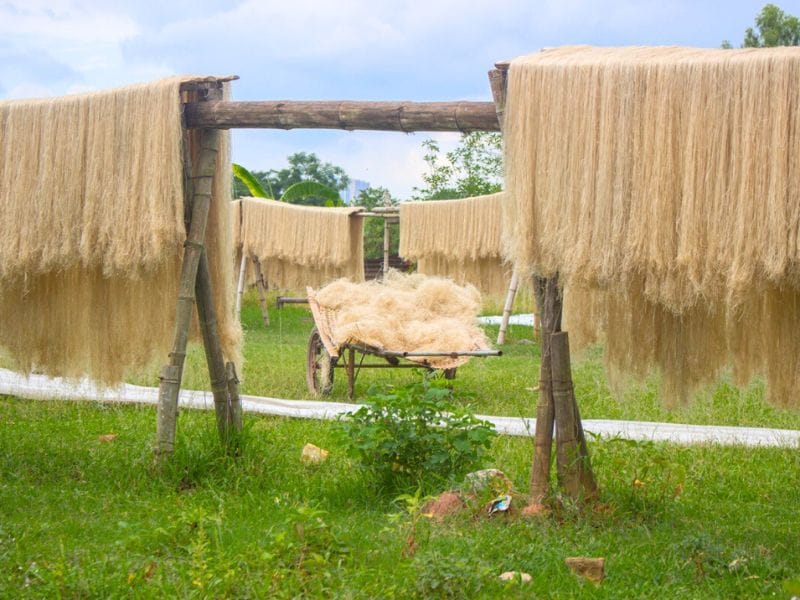
Cu Da vermicelli village
The village of Cu Da, located about 15 km from Hanoi, is a must-see stop among traditional craft villages in the vicinity of the capital. Famous for its vermicelli called miến, made from cassava, it represents the authenticity and artisanal skill of Vietnamese craftsmanship. The inhabitants use traditional methods to produce these thin and translucent noodles, which are dried in the sun in open courtyards. Visitors can discover all the phases of production, from dough preparation to final drying. Beyond the artisanal workshops, Cu Da is renowned for its ancient dwellings and rural atmosphere, which offers a fascinating glimpse into traditional Vietnamese life. Do not miss the opportunity to taste local dishes prepared with these unique vermicelli, true symbols of the region’s culinary culture.
6. Phu Vinh Rattan and Bamboo Village
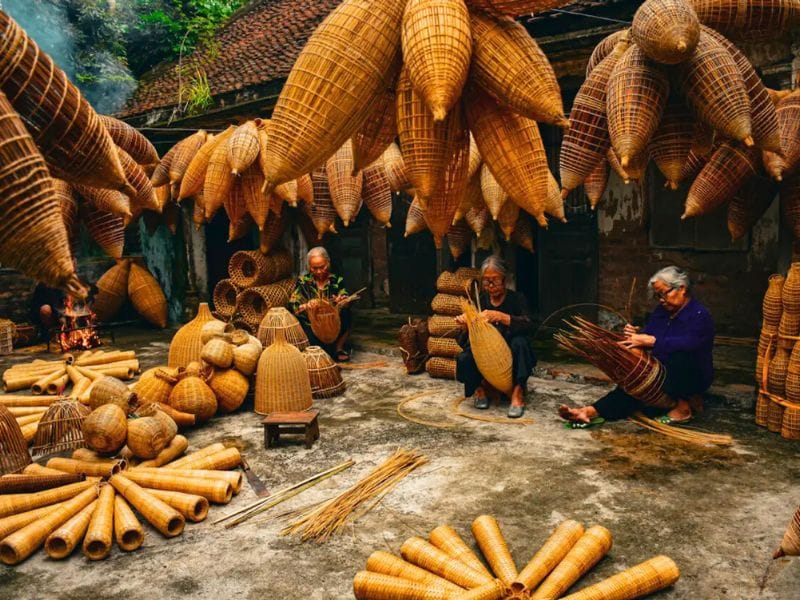
Discover the art of rattan and bamboo in Phu Vinh village, where ancestral knowledge meets creativity.
About 35 km from Hanoi, Phu Vinh specializes in rattan and bamboo craftsmanship. The artisans of the place transform these natural materials into everyday items such as baskets, furniture, and lamps, but also into decorative art pieces. Each item is crafted with extraordinary precision, reflecting the experience and creativity of the inhabitants. A visit to Phu Vinh allows not only to discover this unique craftsmanship, but also to better understand the harmony between tradition and sustainable development. Visitors can also participate in workshops to try their hand at creating rattan or bamboo objects.
7. Quang Phu Câu Incense Village

Immerse yourself in the colors and scents of Quang Phu Cau village, famous for its handcrafted incense sticks.
Quang Phu Cau, located about 40 km from Hanoi, is a must-see village for those wishing to discover the traditional production of incense. The streets of the village are adorned with multicolored incense sticks, creating a unique visual spectacle. Artisans use traditional techniques to transform bamboo and natural resins into incense sticks ready for use in religious ceremonies. Visitors can learn the secrets of this ancestral practice and photograph the picturesque scenes of the village. Some workshops even offer the opportunity to create your own incense for an authentic and original experience.
8. Dông Hô Folk Print Village
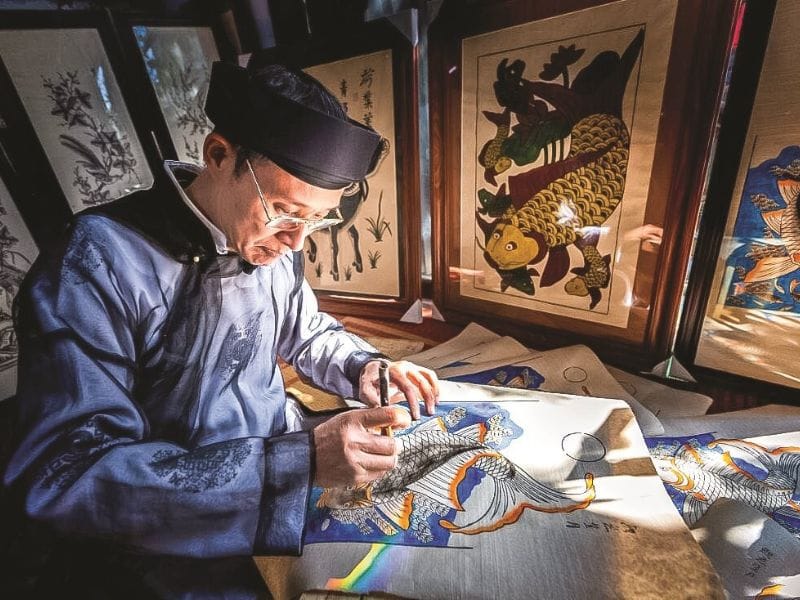
A craftsman from Dông Hô village, at work on a traditional print, perpetuates Vietnamese ancestral knowledge.
Located in Bac Ninh province, 30 km from Hanoi, the village of Dông Hô is a true showcase of Vietnamese folk art. Specializing in prints created from wood engravings, this village keeps alive an ancient tradition where each work tells a story, often inspired by everyday life, folk legends, or traditional festivals. Artisans use natural pigments to create vibrant and durable colors, giving a unique authenticity to their creations. During your visit, you can immerse yourself in the fascinating world of this craftsmanship by discovering each phase of the process, from engraving to color application. Meeting the artisans will allow you to better understand the cultural symbols and meanings of these timeless works.
9. Quat Dong Embroidery Village
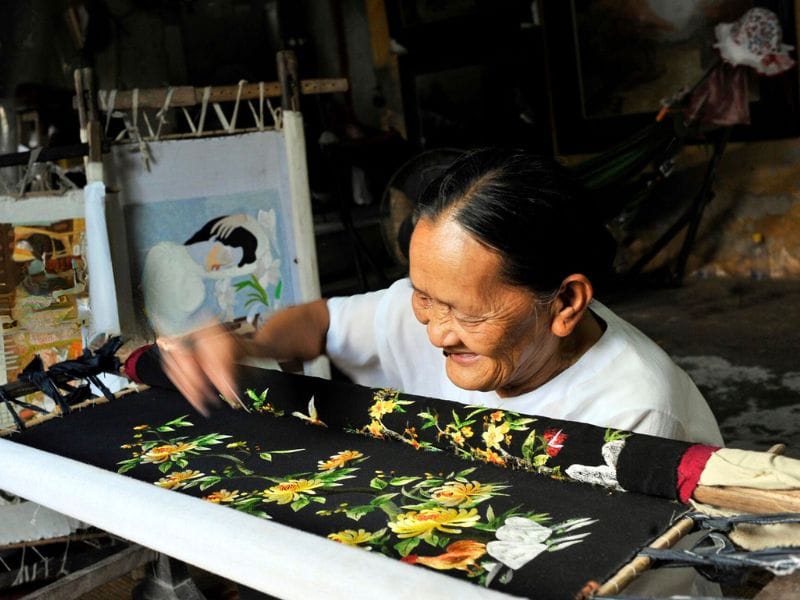
A craftswoman of Quat Dong perpetuates the refined art of Vietnamese embroidery
About 20 km from Hanoi, the village of Quat Dong is celebrated for its refined embroidery art, passed down since the 15th century. Hand-embroidered patterns on fabrics such as garments, tablecloths, and paintings illustrate both tradition and innovation. Each piece reflects a balance between creativity and meticulous technique, with designs ranging from Vietnamese landscapes to historical scenes. Visitors can watch artisans working with patience and precision, often seated on bamboo mats. Exploring the village, you can also admire exhibitions that highlight both ancient and modern creations, witnesses to the evolution of this art. A visit to Quat Dong allows you to appreciate the cultural richness of this craft, while supporting the local families who keep this unique knowledge alive.
10. Dao Thuc Water Puppetry Village

Dao Thuc water puppetry village has preserved for over 300 years the essence of this traditional Vietnamese art.
About 20 km from Hanoi, the village of Dao Thuc is one of the most significant places among traditional craft villages in the vicinity of the capital, renowned for its water puppetry art, a form of Vietnamese theater dating back to the 11th century. The puppets, made of wood and finely painted, come to life on a water stage thanks to an ingenious system of poles and ropes manipulated by skilled artists. The performances tell legends, scenes of rural life, and humorous stories that reflect the life and culture of Vietnam. Visitors have the opportunity to watch these fascinating performances and meet the puppet masters to learn more about this ancient art. The village also offers workshops where you can observe or even participate in the creation of puppets. A visit to Dao Thuc is an immersive experience, perfect for families and culture enthusiasts.
Tips for Preparing Your Visit
- Choose the right time: prefer a morning visit, when the craft villages are most active and you can watch artisans at work.
- Plan your itinerary: organize routes that allow you to visit multiple villages in one day from Hanoi. Rent a bicycle, a motorbike, or rely on a local agency for a customized excursion.
- Bring cash: carry enough cash with you, as cash payments are generally preferred in artisanal workshops. This way you will support the local artisans directly.
- Wear comfortable clothes: opt for light clothing and suitable shoes for walking through the village lanes or in the fields.
- Respect local customs: maintain a respectful attitude, ask questions with interest, and always request permission before taking photographs.
- Prepare for shopping: bring a sturdy bag to transport your souvenirs — whether ceramics, textiles, or other crafts — and reduce the use of non-ecological plastic bags.
These traditional craft villages in the vicinity of Hanoi represent a true immersion in Vietnamese authenticity and creativity. They embody a perfect balance between cultural richness and artisanal mastery passed down through generations. Discovering these places means supporting passionate artisans and living a unique, meaningful, and discovery-filled experience.
To bring this adventure to life, consult our personalized itineraries on the Horizon Vietnam Travel website. Whether you desire a short one-day excursion or a deeper immersion, our dedicated team is ready to create a bespoke journey, tailored to your desires. Contact us today to plan together an unforgettable stay and bring with you authentic memories that tell the story of Vietnam.




Our recommended itineraries

 Nature and Active travel
Northern Vietnam Explorer in 9 days and 8 nights
About ten days
Hanoi - Ha Long Bay - Saigon - Mekong Delta - Siem Reap - Luang Prabang - Pak Ou Caves - Kuang Si Waterfall
 Classic
Vietnam Exclusive in 13 Days
About 2 weeks
Hanoi - Bai Tu Long - Hue - Da Nang - Hoi An - Saigon - Mekong Delta