+84 9 75 46 33 10 (Whatsapp)
  info@horizon-vietnamtravel.com
  Français
  Español
  Português
  Deutsch

What to Bring Back from Vietnam? 15 Authentic Souvenir Ideas
Table of contents
Bringing back a travel souvenir is not simply about filling your suitcase. It is about prolonging an emotion, transmitting a moment experienced, or keeping at home a fragment of elsewhere. Vietnam, with its living traditions, delicate craftsmanship, and flavorful gastronomy, is an ideal destination for those seeking souvenirs that hold real meaning. From the floating markets of the South to the winding streets of Hanoi’s Old Quarter, through Hôi An’s workshops and the mountain villages of the North, each place holds treasures waiting to be discovered: silk lanterns, lacquered boxes, lotus tea sachets, pearls, fragrant spices… So many objects that each tell, in their own way, one facet of the country. But what to bring back from Vietnam that is at once beautiful, practical, authentic — and truly representative of local culture? To help you make the right choice, far from impersonal souvenirs, here is a selection of 15 ideas: from local craftsmanship, tasty specialties, and cultural objects, to give as gifts or keep for yourself.
Nón Lá (Conical Hat)
An emblematic symbol of Vietnam, the nón lá, a conical hat handwoven with palm or rattan leaves, has accompanied the daily life of farmers, street vendors, fishermen… and even artists for centuries. It protects from both the scorching sun and tropical rains, while embodying the quiet elegance of Vietnamese women, especially when worn with the áo dài, the traditional dress.
Each region of the country has its own variants, but the most popular models come from Huế or from Chuông village, near Hanoi. Some are even decorated inside with poems or delicate patterns, subtly revealed by the light.
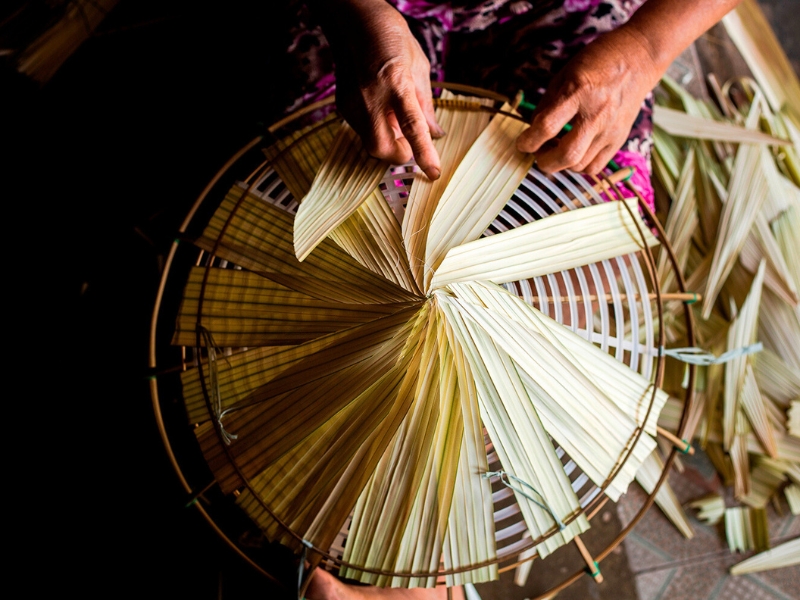
Symbol of Vietnam, the Nón Lá (Conical Hat) is often chosen as a gift by visitors
At once light, easy to carry, and affordable, the nón lá is a typically Vietnamese souvenir, as practical as it is poetic. Ideal for decorating your home, immortalizing a travel moment, or simply protecting yourself with style on a sunny day. Each region of the country has its own variants, but the most popular models come from Huế or from Chuông village, near Hanoi. Some are even decorated inside with poems or delicate patterns, subtly revealed by the light.
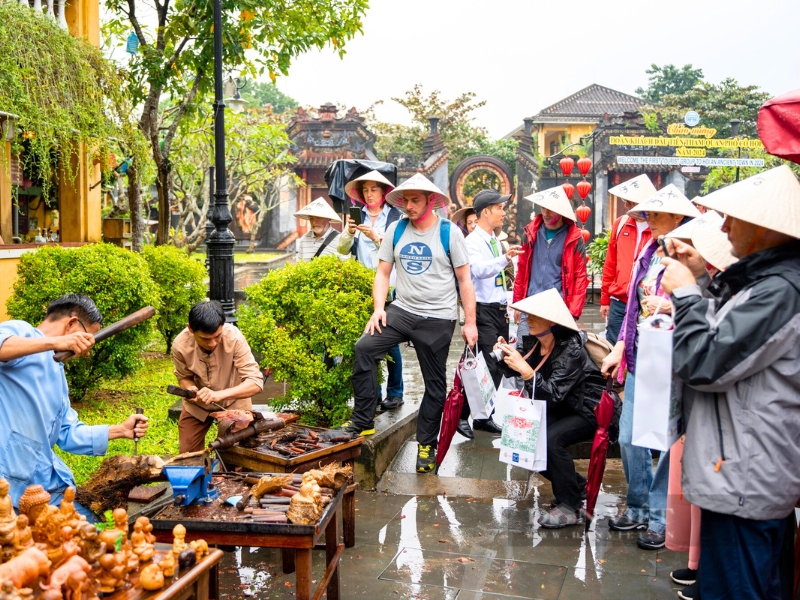
The Vietnamese Nón Lá fascinates foreign tourists
At once light, easy to carry, and affordable, the nón lá is a typically Vietnamese souvenir, as practical as it is poetic. Ideal for decorating your home, immortalizing a travel moment, or simply protecting yourself with style on a sunny day.
Vietnamese Coffee

Vietnam, the world’s second largest coffee exporter
Vietnam is today one of the world’s largest coffee producers, second only to Brazil. But more than a simple export product, coffee is an integral part of Vietnamese culture. In Hanoi as in Saigon, it is savored slowly, seated on a small stool on the sidewalk, in a relaxed atmosphere.
Vietnamese coffee stands out for its dark roasting, intense flavor, and especially for its unique brewing method: infused drop by drop through a small stainless steel filter called a phin. It is generally enjoyed with sweetened condensed milk (Cà Phê Sữa Đá) for a cold and creamy version, or on its own, dark and intense (cà phê đen).

A souvenir full of character: Vietnamese coffee
To bring back:
- Bags of ground robusta coffee
- A Vietnamese coffee filter (phin) in stainless steel or aluminum
An ideal souvenir for coffee lovers or to discover, at home, a simple yet flavorful Vietnamese ritual.
Vietnamese Tea
In Vietnam, tea is not simply a beverage: it is a gesture of welcome, a symbol of respect, and an art of living. Served hot and without sugar, it willingly accompanies the end of a meal, a conversation between friends, or a quiet afternoon moment. Whether in a northern home or in a tea room in Huế, offering a cup of tea is a tradition very much alive.
Among the emblematic varieties, Trà sen (lotus tea) holds a special place. Originating from Huế, it is obtained by gently infusing green tea with fresh lotus petals. Its floral aroma, subtle and soothing, recalls the elegance of the ancient imperial court.
Another classic appreciated throughout the country: Trà lài (jasmine tea), sweet and delicately fragrant. It perfectly accompanies afternoon breaks and charms both tea lovers and those curious to discover new flavors.

Royal tea of Huế
More rare and deeply rooted in Vietnamese tradition, Trà cung đình (Huế’s royal tea) is a refined blend of medicinal plants, dried flowers, and natural roots, inspired by the recipes of mandarins and imperial families. Prized for its benefits – digestion, relaxation, overall balance – it combines pleasure and wellness in a precious infusion.
Finally, Shan Tuyết tea, originating from the high mountains of the North such as Hà Giang or Yên Bái, is handpicked from ancient wild tea trees. Its deep, woody, and slightly mineral flavor reveals itself through successive infusions. This rare tea is often presented in bamboo or kraft paper packaging, reflecting its authenticity.
From Horizon Vietnam, we welcome you upon your arrival with a cup of Shan Tuyết – a simple gesture, but sincere, to welcome you into our culture. Bringing home Vietnamese tea means bringing back much more than an aroma. It is offering yourself or giving others a piece of calm, of refinement, and of tradition, a living bond between you and Vietnam, to be savored cup after cup.
Ao Dai
The iconic garment of Vietnam, the Ao Dai embodies tradition, grace, and modernity all at once. This long tunic, slit at the sides and worn over flowing trousers, follows the curves with lightness while maintaining great modesty. Once worn daily, the Áo Dài is today reserved for major occasions: weddings, ceremonies, Tết celebrations, or official events. It is also frequently worn by hostesses, high school students, or artists, as a symbol of national elegance.
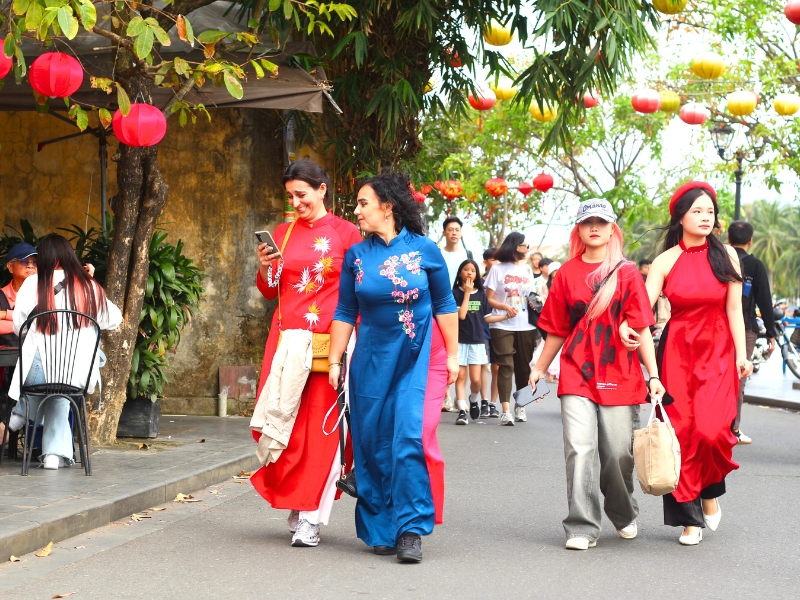
An elegant souvenir par excellence: Vietnamese Ao dai
Modern styles are available in silk, linen, or lightweight cotton, plain or embroidered, sometimes enhanced with traditional motifs such as the lotus flower, bamboo, or phoenix. Each region has its preferences in terms of colors and cuts, but the spirit remains the same: refinement and simplicity.
If you wish to bring back an Ao Dai, you can find them in specialized boutiques in Hanoi, Huế, or Ho Chi Minh City, with the option to have a custom-made model in just a few days. It is a precious souvenir, personal, that transcends time and reflects the soul of Vietnam.
Vietnamese Lacquerware
Among the most beautiful treasures of Vietnamese craftsmanship, lacquerware holds a special place. Inherited from a thousand-year-old art, this refined craft involves applying thin layers of natural resin onto wood, then patiently polishing the surface until achieving a smooth, brilliant, and deep finish. This process, sometimes spread over several months, requires great precision and much patience.
Vietnamese lacquerware
Vietnamese artisans often enrich their creations by inserting elements such as mother-of-pearl, eggshells, or gold leaf, forming delicate motifs: natural landscapes, lotus flowers, scenes of daily life, or traditional symbols. Each piece is unique, the fruit of entirely handmade work.
Lacquered objects are found throughout the country, but Hanoi – particularly the Hạ Thái artisan village – and Ho Chi Minh City are especially renowned. The offering is varied: jewelry boxes, trays, decorative panels, screens, or wall paintings, in styles ranging from the most classical to the most contemporary.
What to bring back from Vietnam to combine aesthetics and culture? A lacquered object is a refined, durable, and meaningful gift that embodies the richness of Vietnamese craftsmanship.
Vietnamese Silk
Among the artisanal treasures to bring back, Vietnamese silk perfectly embodies elegance, fineness, and local expertise. Present for centuries in Vietnamese culture, it is still handwoven in various regions of the country. Vạn Phúc village, near Hanoi, is renowned for its traditional silk that is fluid and lightweight, while Bảo Lộc, in the Highlands of the South, specializes in a higher-end production, appreciated for its natural brilliance.
Soft, lightweight, and delicately lustrous, silk is available in scarves, shawls, fabrics by the meter, or clothing items such as the áo dài, the emblematic tunic of Vietnam. Each piece is the result of patient and meticulous work: from unwinding cocoons to natural dyeing, through entirely handmade weaving.
What to bring back from Vietnam for a souvenir that is at once chic, authentic, and practical? A silk garment, a true reflection of Vietnamese elegance, is an ideal gift — to give away or to wear — that stands the test of time and fashion.

Vietnamese silk scarf
Silks can be found in many artisan markets or specialized boutiques, but products from traditional villages often offer superior quality and the opportunity to observe the production stages.
Bringing Vietnamese silk home means bringing back an elegant, practical, and deeply cultural souvenir. To give or to wear, it perfectly embodies the refinement and quiet charm of Vietnam.
Vietnamese Spices
It is impossible to evoke Vietnam without thinking of its culinary fragrances, rich, balanced, and full of character. Bringing Vietnamese spices back home means bringing a bit of this culinary generosity and the promise of rediscovering, at your table, the flavors of your travels.
Among the must-haves, we find Phú Quốc pepper, renowned for its intense and slightly sweet aroma. Cultivated on the namesake island, it comes in black, red, or white varieties, often sold in whole peppercorns to preserve all its freshness.
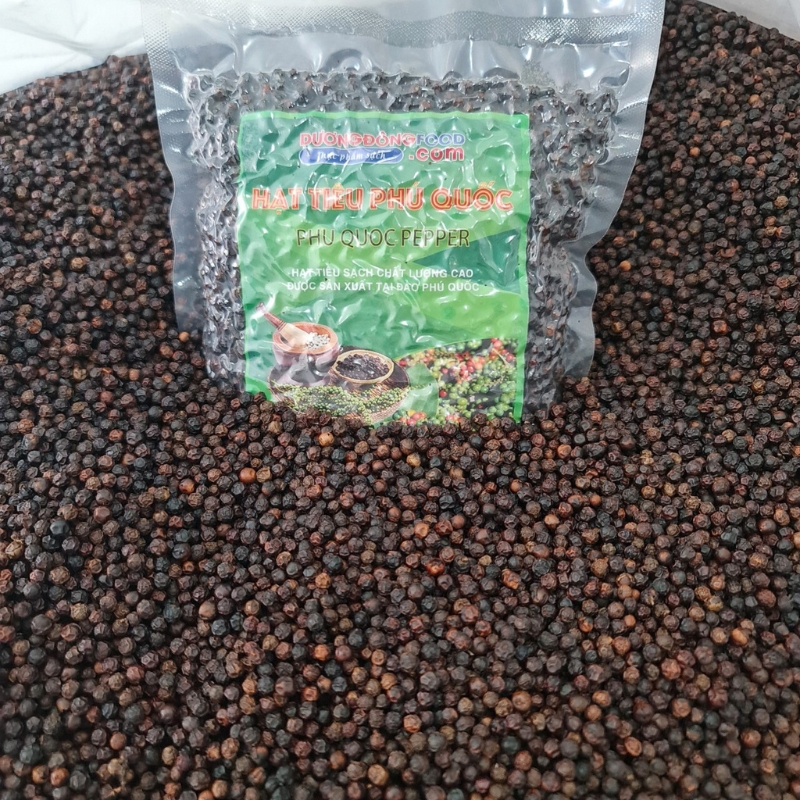
Vietnamese pepper
Another star of the shelves: star anise, used in the famous Phở (beef noodle soup) and in many marinades. It charms with its sweet and slightly licorice-like notes. You can also bring back cinnamon from Quảng Nam, cloves, or even ready-to-use spice blends for cooking Vietnamese-style: fragrant broths, spring roll sauces, marinated grills…
These spices are often sold in bags, loose, or elegantly packaged in small bamboo baskets, perfect for giving as gifts. They are easily found in local markets, specialty shops, or Vietnamese supermarkets.
What to bring back from Vietnam to extend the experience at your table? A small assortment of well-chosen spices is enough to make your taste buds travel and bring a bit of Vietnam into your kitchen, day after day.
Vietnamese Embroidery
In Vietnam, embroidery is a popular art transmitted from generation to generation, uniting ancestral knowledge and cultural identity. Each thread, each motif, each color tells a story, a landscape, a tradition.
In northern villages such as Sapa, Lào Cai, or Hà Giang, it is especially women from ethnic minorities – Hmong, Dao, Tay… – who practice hand embroidery. They decorate their traditional clothes, but also bags, pouches, pillowcases, or tablecloths with geometric, floral, or symbolic motifs, inspired by nature or spirituality.
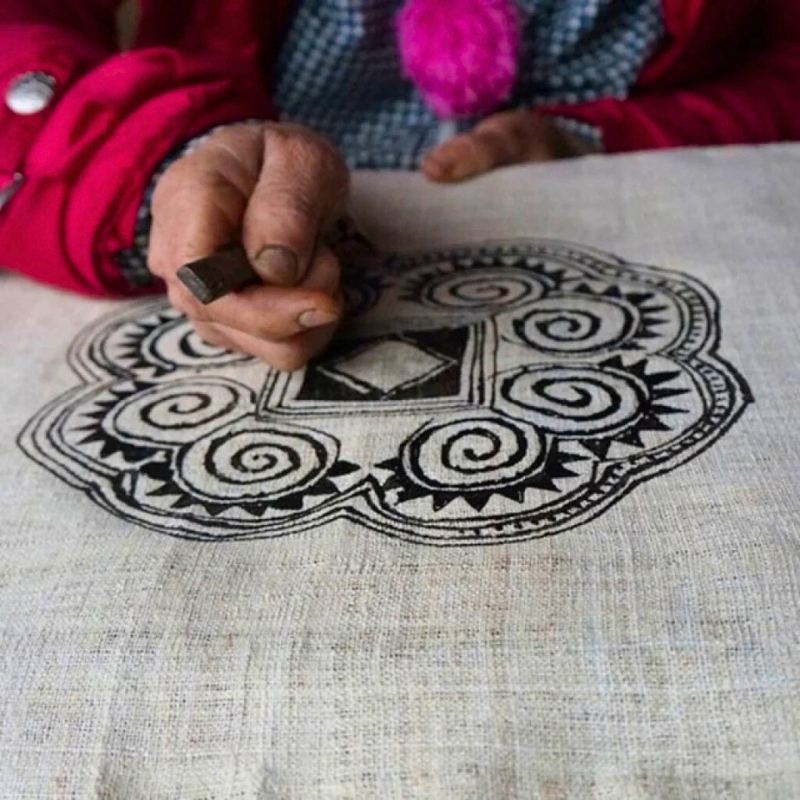
Vietnamese embroidery
It is also found, in more urban regions like Huế or Dalat, a finer and more realistic embroidery, close to painting, where landscapes or portraits are entirely created with a needle and subtle shadings.
Taking home an embroidered object means offering a unique piece, often made by hand with patience and passion. It also means supporting local artisan communities and preserving a delicate art, deeply rooted in the daily life of Vietnamese mountains.
Hôi An Lanterns
As evening falls, Hôi An lights up with a thousand colors. Along the cobblestone streets and the Thu Bồn river, silk lanterns sway gently to the rhythm of the wind. Their soft light envelops the city in a poetic and timeless atmosphere, transforming every corner into a living picture. It is this luminous magic that makes Hôi An one of Vietnam’s most enchanting destinations and its artisanal lanterns an unforgettable souvenir to bring back.
Handmade by local artisans, these lanterns are designed with a flexible bamboo frame, covered with silk or printed cotton. They come in a large variety of shapes — round, teardrop, diamond, or elongated — and in bright or pastel colors, often adorned with traditional motifs representing flowers, clouds, birds, or symbols of good fortune.
But their charm does not lie in aesthetics alone. In Hôi An, lanterns carry meaning: they symbolize wishes for peace, happiness, and prosperity. Each month, during the Lantern Festival, residents place lights on the water while whispering their wishes, in an almost sacred silence.

Making lanterns in Hôi An
And for an even more memorable experience, you can create your own lantern in a local workshop. Choice of fabric, colors, shape: create a unique piece, entirely personalized, to give away or keep as a memory of a precious moment spent on site.
Foldable, lightweight, and easy to transport, Hôi An lanterns are far more than simple decorative objects. They are small fragments of light and tradition, to hang at home and revive, every evening, a bit of Vietnam’s magic.
Vietnamese Pearls

Refined jewelry with Halong pearls
Less well-known than those from Tahiti or Japan, Vietnamese pearls seduce with their natural beauty and excellent value for money. Cultivated mainly in the clear waters of Ha Long Bay, Phú Quốc island, or off the coast of Nha Trang, they are the fruit of meticulous craftsmanship that respects both nature’s cycles and local knowledge. White, pinkish, cream, or slightly golden, Vietnamese pearls can be round, baroque, or oval, set in necklaces, bracelets, earrings, or pendants. Each piece, even if simple, radiates a natural elegance.
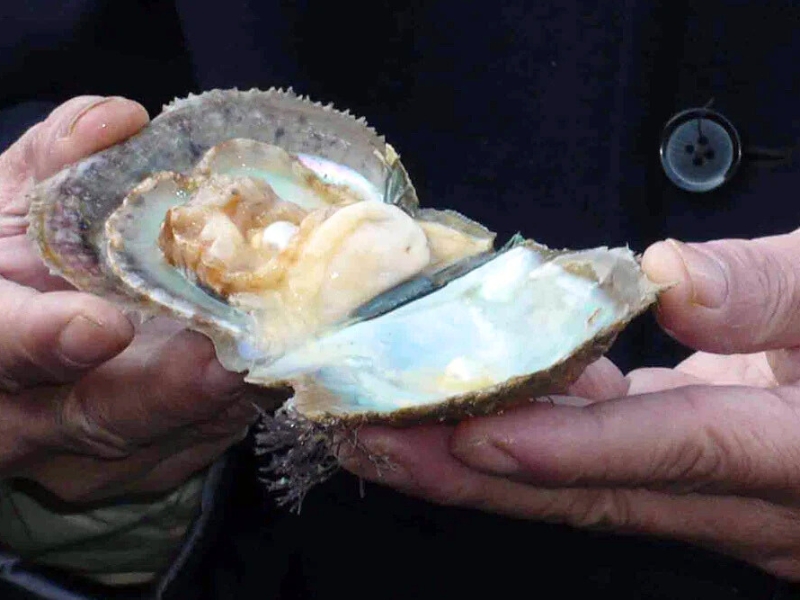
Halong pearl
Numerous pearl farms offer guided tours, allowing you to discover the stages of pearl cultivation – from grafting to harvest – and to purchase jewelry directly from their production. Some artisanal farms, particularly in Phú Quốc, even offer custom models or unique creations.

Pearl farming in Phú Quốc
Bringing Vietnamese pearls home means choosing a refined and lasting souvenir that combines marine beauty, tradition, and local knowledge. An excellent gift idea – for yourself or a loved one – that will preserve the luminous memory of a journey between sea and light.

Phú Quốc pearl necklace
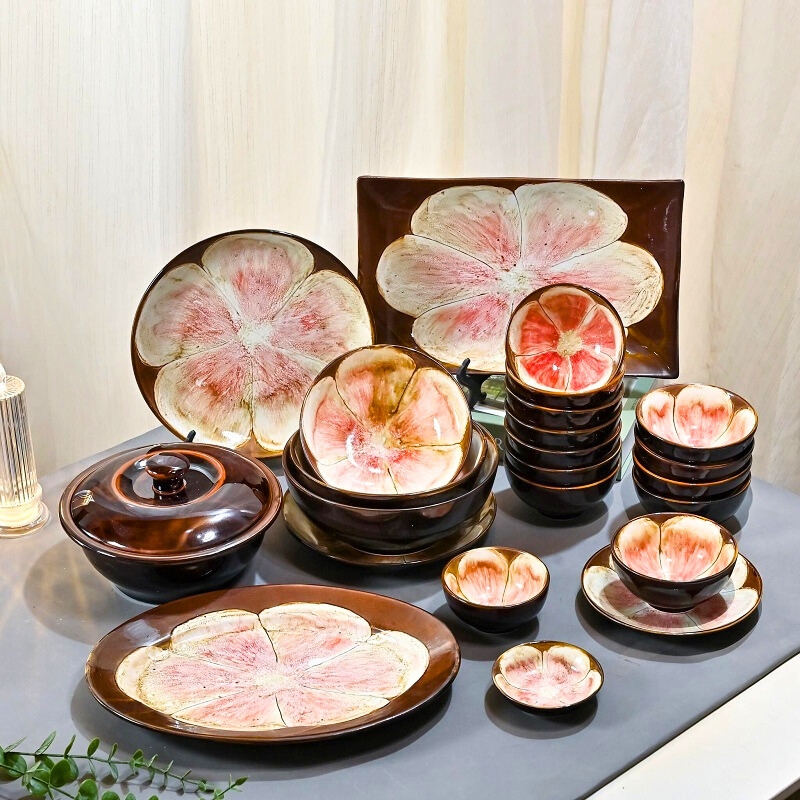
Vietnamese Ceramics
The art of ceramics has held a central place in Vietnamese craftsmanship for over a thousand years. From utilitarian objects to decorative pieces, Vietnamese potters master ancestral knowledge, transmitted from generation to generation and nourished by Chinese, Cham, or Khmer influences, but always reinterpreted with a local touch.

Symbol of conviviality and elegance, the tea set embodies the soul of Vietnam
Among the most renowned centers, we find Bát Tràng village, located near Hanoi, a true reference in traditional ceramics. A great variety of objects is manufactured there: bowls, vases, teapots, plates, jars, often adorned with blue and white motifs, but also with modern decorations in natural tones. Further south, the villages of Chu Đậu or Bàu Trúc (in the Cham region) also perpetuate original techniques, sometimes entirely created without a wheel.

Each ceramic piece from Bau Truc village, Ninh Thuân is a unique creation
Vietnamese ceramics seduce with their elegant sobriety, their soft textures, and artisanal finishes. They combine aesthetics and utility, and constitute a durable, authentic, and refined souvenir. Most workshops offer easily transportable models, carefully packed for travel. Bringing home a ceramic piece means taking with you a fragment of the Vietnamese soul, between nature, simplicity, and beauty shaped by hand.

Bau Truc pottery village welcomes many foreign tourists
Ô Mai (Dried Fruit)

Ô Mai (dried fruit) is a Hanoi specialty ideal to bring back as a souvenir
Among Vietnam’s most emblematic sweets, ô mai holds a special place. Originating from Hanoi, these candied and dried fruits, often made from plums, apricots, tamarind, ginger, or kumquats, are crafted according to a unique artisanal recipe that combines sugar, salt, acidity, and sometimes even chili pepper. The result: an explosion of contrasting flavors, at once sweet, salty, tangy, and spicy — a surprising taste for the uninitiated, but particularly appreciated by Vietnamese people.

Dried fruit (ô mai) is packaged in very practical boxes, ideal to bring back as a souvenir
Ô mai is traditionally consumed during Tết celebrations or given as a gift as a sign of welcome or gratitude. Presented in attractive boxes or individual sachets, they keep well and are easy to transport. They are found especially in ancient Hanoi shops, such as those on Hàng Đường Street, renowned for its artisanal confectioneries for generations. Bringing ô mai home means offering a typically Vietnamese treat, original, full of character, and deeply rooted in the culinary traditions of the North.
Water Hyacinth Bag
Handwoven from dried water hyacinth fibers, the water hyacinth bag has become one of Vietnam’s trendiest souvenirs. Light, resistant, biodegradable, and entirely handmade, it embodies at once artisanal skill and an environmentally conscious approach.
Traditionally used to make baskets, mats, or everyday objects in the rural areas of the Mekong Delta, water hyacinth — an invasive aquatic plant — has found a second life thanks to the ingenuity of Vietnamese artisans. Today it is transformed into bags with modern design: tote bags, shoppers, pouches, or round baskets, often lined with fabric and enhanced with leather handles, shells, or embroidery.
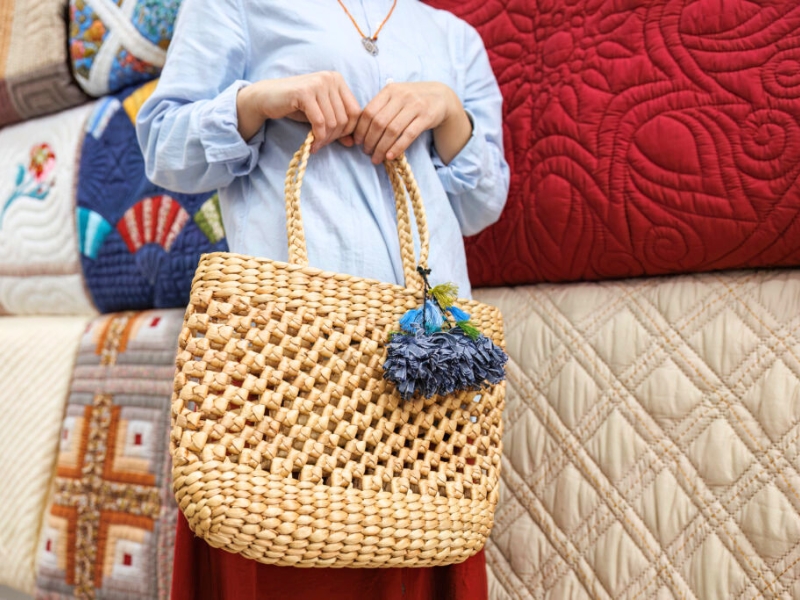
Water hyacinth bag
They can be found in local markets, artisan villages, or charming craft boutiques in Hanoi, Hôi An, or Ho Chi Minh City. Each piece is unique, since the weaving is entirely done by hand, according to techniques passed down from generation to generation.
Taking home a water hyacinth bag means choosing an aesthetic, durable, lightweight, and committed accessory, perfect for strolling through the city, heading to the beach, or simply remembering the quiet charm of Vietnam, in its natural state.
Marou Chocolate
Vietnam is not a country one naturally associates with chocolate… and yet it is here that Marou was born, one of the world’s most recognized bean-to-bar chocolate brands. Founded by two passionate Frenchmen, Marou Faiseurs de Chocolat directly transforms cacao beans from local plantations in Vietnam to create artisanal tablets of great quality, 100% Vietnamese.
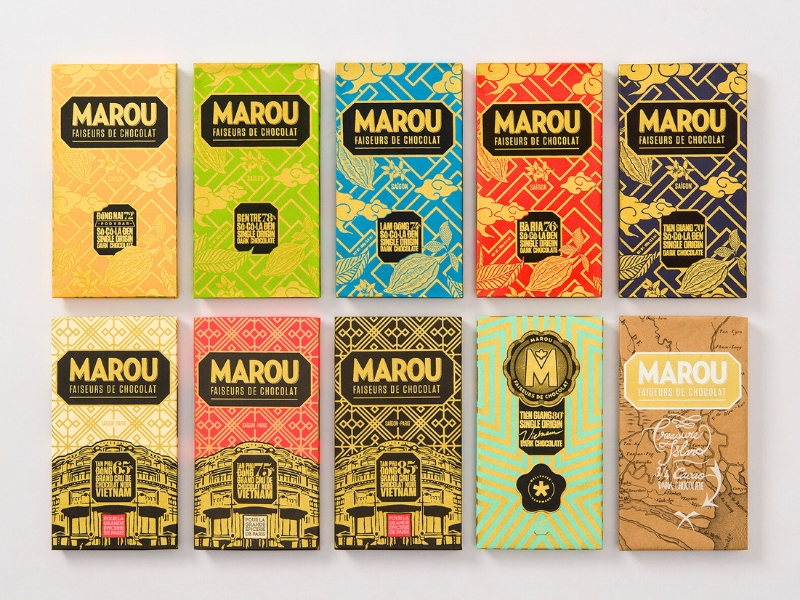
Marou, the exceptional Vietnamese chocolate, 100% bean-to-bar
Each tablet highlights a specific region: Tiền Giang, Bà Rịa, Đắk Lắk, Lâm Đồng… Each offers a unique aromatic profile, influenced by terroir, climate, and fermentation methods. The result? A fine chocolate, intense, sometimes fruity, sometimes woody, but always refined. The packaging, inspired by traditional Vietnamese motifs, is as beautiful as the content is delicious. They are found in Marou boutiques in Ho Chi Minh City and Hanoi, as well as in some hotels, concept stores, or airports.
Bringing Marou chocolate home means choosing a gourmet souvenir, local, ethical, and upscale, perfect to give away or to treat yourself to a delicacy that speaks for itself about Vietnamese culinary innovation.
Rice Alcohol
Among the specialties to bring back from Vietnam, rice alcohol (rượu gạo) holds a prominent place for those wishing to take home a souvenir that is at once typical, artisanal, and laden with culture. The fruit of ancestral knowledge, this alcohol is prepared from fermented sticky rice, then slowly distilled according to methods passed down from generation to generation in Vietnamese countryside.

Rượu nêp cai hoa vang
In the rural regions of the North and the Highlands, it is still produced entirely by hand, with local rice and natural yeasts. Served during weddings, traditional festivals, or communal meals, it is always associated with conviviality, with sharing… and with the famous collective toasts: Một, Hai, Ba, Dzô!
There are also several authentic variants:
- Rượu cần: fermented alcohol drunk with a straw from a jar, typical of mountain ethnic groups.
- Rượu thuốc: alcohol infused with medicinal herbs, renowned for its therapeutic benefits.
- Rượu nếp cái hoa vàng: a sweet and fragrant version, highly appreciated in the North.
These alcohols are found in artisan markets or directly from local producers, often presented in charming terracotta bottles or decorative glass. A souvenir that is at once original, authentic, and bearer of the festive spirit of rural Vietnam.
A trip to Vietnam leaves much more behind than images: grand landscapes, sincere smiles, the scents of spices, tea, or lotus flowers… so many sensations that linger long. What to bring back from Vietnam if not a bit of this emotion, in the form of simple, authentic, and meaningful objects? Whether it is a Hôi An lantern, a silk scarf, a fragrant royal tea, a handcrafted ceramic, or a bottle of traditional rice alcohol, each souvenir tells a part of the country, its history, and its art of living. They are not simple objects to place on a shelf: they are watched, tasted, worn, shared. Bringing something back from Vietnam means maintaining a living and personal bond with what you have experienced here. And it is also, quite simply, offering others a reflection of this luminous and generous country, through a sincere gesture.