+84 9 75 46 33 10 (Whatsapp)
  info@horizon-vietnamtravel.com
  Français
  Español
  Português
  Deutsch

What to Pack for a Trip to Vietnam?
Table of contents
Packing your suitcase for a trip to Vietnam is often one of the most exciting moments before departure… but also one of the most stressful! And for good reason: this country with its many faces and climates requires a minimum of planning ahead. Between the cool mountains of the North, the tropical heat of the South, and cultural escapes into cities or countryside, you often don’t know what to bring or where to start.
No panic! In this article, we guide you step by step to put together a practical, lightweight suitcase suited to your itinerary. Whether you’re leaving for two weeks or a month, alone, as a couple, or as a family, you’ll find here all the essentials: clothing, useful accessories, toiletries, documents not to forget, and even some tricks for traveling with peace of mind. Prepare your checklist, open your suitcase… and let yourself be guided!
General information about Vietnam’s weather
Vietnam stretches over 1,600 kilometers from north to south, passing through several climate zones. Result: it can be cold in the northern mountains while the South swelters under tropical heat. To avoid unpleasant surprises, it’s essential to adapt what goes in your suitcase to your itinerary and the season of your trip.
Northern Vietnam (Hanoi, Halong Bay, Sapa)
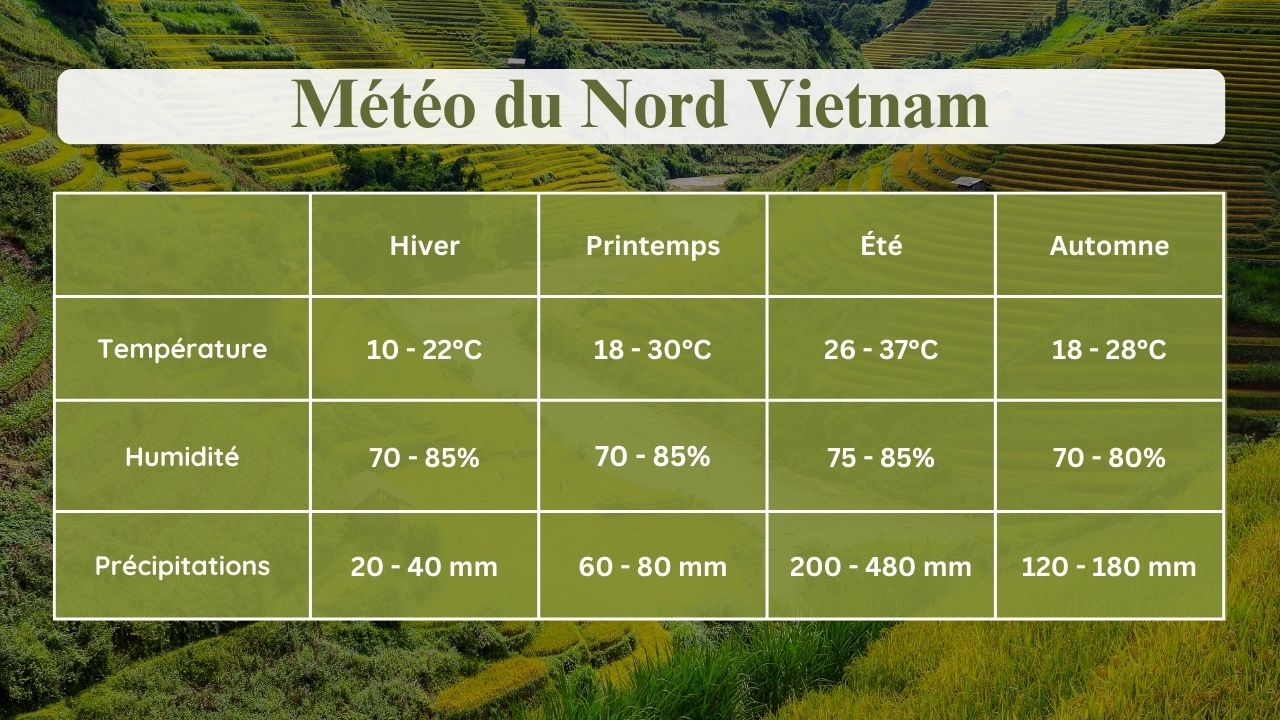
- Winter (December to February): During winter in northern Vietnam, temperatures can drop to 10°C, or even lower in mountainous regions like Sapa, where frosts are frequent and, in some cases, snow may occur. Although snow is rare, the highlands sometimes experience particularly cold winter conditions, in contrast to the milder climate of urban areas like Hanoi.
- Spring (March to April): During this period, temperatures start to rise slightly, but the climate remains often humid, with frequent showers, particularly toward the end of spring. Humidity can be high, creating a warm and humid atmosphere, even though it’s not yet the season of intense rains.
- Summer (May to August): Summer is hot and humid, with temperatures that can reach 37°C and significant precipitation, especially in coastal areas.
- Autumn (September to November): Autumn is often considered the best period to visit the north, with moderate temperatures and a drier climate.
Central Vietnam (Da Nang, Hoi An, Hué)

The central region of Vietnam has a distinct climate with notable variations.
- Dry season (February to August): The center experiences hot summers, sometimes very dry, with temperatures that can reach up to 35°C.
- Rainy season (September to January): It is during this period that tropical storms and typhoons can strike the region, causing heavy precipitation and sometimes flooding.
South (Ho Chi Minh City, Mekong Delta, Phu Quoc)

Southern Vietnam has a tropical climate with two main seasons:
- Dry season (November to April): High temperatures (25°C to 35°C), with a dry climate. Heat peaks occur in March and April, sometimes exceeding 35°C.
- Rainy season (May to October): Frequent tropical showers, especially in the afternoon, with temperatures around 30°C and increased humidity. Rains are often brief, followed by clear skies.
Essential clothing
The choice of clothing for a trip to Vietnam depends on several factors: the season, the regions you’re visiting, the activities planned, and, of course, respect for local customs. Here’s a thoughtful selection to help you put together a practical, lightweight, and versatile suitcase.
Light and breathable clothing
Under Vietnam’s tropical climate, heat and humidity can quickly become tiring, especially in the South or during the summer season. To stay comfortable throughout the day, it’s best to opt for light, loose, and breathable clothes that allow your skin to properly evacuate perspiration.

The best materials are cotton, linen, or viscose, known for their comfort and ability to dry quickly. As for clothing, think about packing t-shirts, lightweight shirts, blouses, fine canvas pants, comfortable shorts, or flowing dresses.
Modest and respectful outfits
Even under a hot climate, it’s essential to include in your Vietnam travel suitcase at least one modest and dignified outfit. In temples, pagodas, or some still very traditional rural regions, showing shoulders or legs can be perceived as disrespectful. This isn’t about limiting yourself, but simply about adapting to local codes with kindness. A long-sleeved shirt and lightweight pants in breathable materials (linen, fine cotton…) will allow you to stay comfortable while being properly dressed for these contexts. This type of clothing also effectively protects you from mosquitoes, especially in the evening or during nature walks.
Also think about slipping a lightweight shawl or sarong into your things. They take up little space and open up in a flash to cover shoulders or legs at the entrance of a sacred place, or simply to add a touch of comfort in air-conditioned transport.
Waterproof or windproof jackets
To protect yourself effectively from sudden tropical downpours. Vietnam’s climate, though globally warm, often reserves surprises. During the rainy season – which varies depending on the region – it’s not uncommon to find yourself caught in a sudden, brief but intense downpour. In the South, this period runs from May to October; in the Center, it’s concentrated between September and December, sometimes accompanied by strong winds. Even in the North, summer can be dotted with thunderstorms, while winter sometimes brings cool drizzle.

Lightweight waterproof jacket
To stay dry without being cumbersome, it’s highly recommended to slip a lightweight waterproof jacket, rain poncho, or compact raincoat into your backpack. These garments are much more practical than an umbrella, especially during a walk, a scooter ride, a cruise, or an excursion. The ideal is to choose a breathable and compressible model, easy to fold and carry.
If you plan to pass through high-altitude regions or by the seaside, a windproof jacket can prove useful. It will protect you not only from rain, but also from cool air currents, frequent at higher elevations or on a boat.
Swimsuit and swimming accessories
In Vietnam, water is omnipresent in the travel experience. Palm-lined beaches, cruises in Halong Bay, hotel pools, or swims in rivers and waterfalls: opportunities to dive in are numerous. A swimsuit is therefore essential, even if your itinerary isn’t centered on the sea.
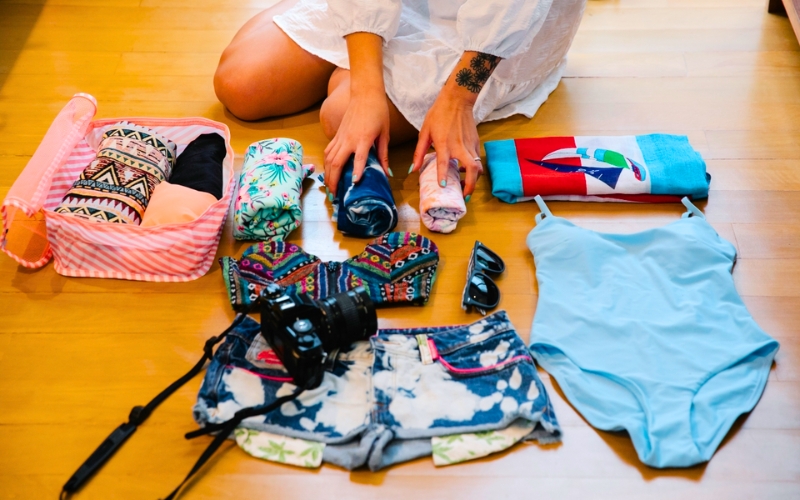
Swimsuit
If you plan several water activities, bring two swimsuits so you always have a dry one available. Also think about a microfiber travel towel, lightweight, compact and quick-drying – ideal for circuits. A waterproof pouch for your wet or electronic items and a pair of flip-flops will perfectly complete your equipment. In short, even if you’re not leaving for exclusively beach vacations, Vietnam always offers an opportunity for a swim, whether planned or spontaneous. Bringing a swimsuit (or even two) and a few well-chosen accessories will let you fully enjoy these moments of relaxation without constraints. Because an impromptu dip, in a cove, a hotel pool, or at sea, often becomes one of the best memories of your trip.
Suitable footwear
Choosing the right shoes to pack in your suitcase for a trip to Vietnam is essential. From the bustling streets of cities to the steep paths of mountains, temples to visit, and beaches to explore, your feet will be put to the test. It’s better to plan three types of complementary footwear, suited to different activities in your itinerary.
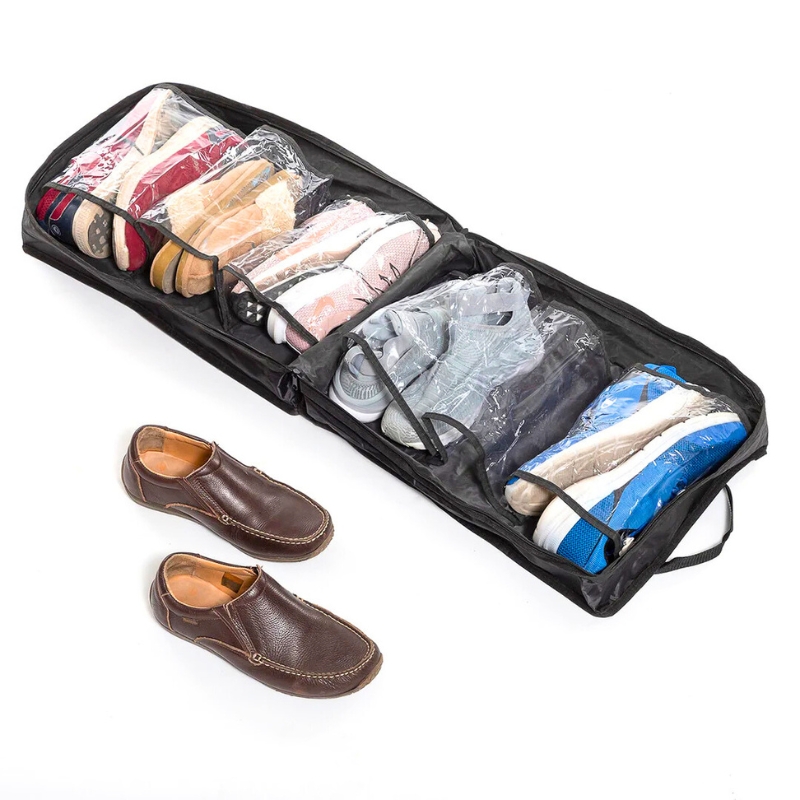
For everyday use, nothing beats comfortable, sturdy sandals that are easy to remove, especially if you frequently enter homes or temples (where shoes are removed). If your schedule includes hiking, trekking, or mountain walks, a pair of lightweight hiking or trekking shoes is highly recommended. They’ll offer good support and better protection on uneven terrain.
Finally, for the beach, pool, or simply showers in some accommodations, a pair of flip-flops or plastic sandals will be perfect: lightweight, practical, and dries in a flash.
Toiletries and hygiene
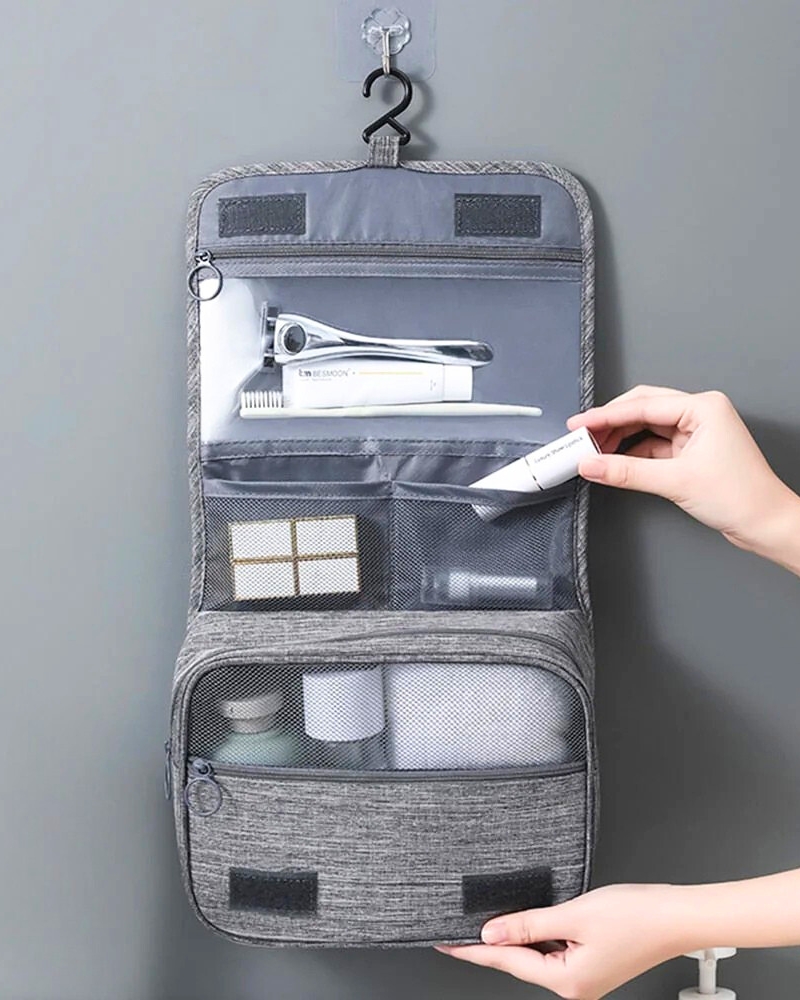
In Vietnam, depending on the regions, sanitary comfort can vary. In large cities or hotels, you’ll find the essentials. But on a circuit or in rural areas, it’s best to be prepared. A well-thought-out toiletries kit will spare you discomfort and oversights. Here are the essentials to bring with you:
- Basic products: shampoo, body wash, toothpaste, toothbrush
- Sunscreen: high protection (SPF 50+ recommended)
- Mosquito repellent: with DEET or Icaridin, effective in tropical climates
- Hand sanitizer gel: for meals or places without access to water
- Tissues and wet wipes: useful when on the move
- Nail clippers, cotton swabs: small items often forgotten, but very useful
💡 Tip: Think about transporting your liquids in travel-size bottles (100 ml max if taking a flight), and place your toiletries in a plastic bag or waterproof pouch.
First aid kit

Even if you never want to need it, a well-prepared first aid kit is a true ally when traveling, especially in a country with a tropical climate where the digestive system or skin may react differently. In Vietnam, it can sometimes be difficult to find medicines equivalent to those available in Europe, especially outside large cities. Here are the essentials to include in your first aid kit:
- Antimalarial medication (if traveling to at-risk areas, such as border regions with Laos or Cambodia)
- Personal medications: regular treatment, prescription if necessary
- Common painkillers: paracetamol or ibuprofen
- Antidiarrheal medication: Smecta, Imodium, or equivalent
- Bandages, gauze, and disinfectant: for small cuts or blisters
- Antihistamines: in case of allergic reactions or insect bites
- Throat lozenges: useful with air conditioning or dry air
💡 Tip: Think about carrying your medications in their original packaging with the instruction leaflet, especially if you’re crossing multiple borders.
Important documents
Even before choosing your clothes or organizing your days, it’s essential to carefully prepare the documents to pack in your suitcase for a trip to Vietnam. A simple oversight can be enough to delay – or even jeopardize – your arrival in the country. To travel with peace of mind, make sure to gather all necessary documents, ideally in duplicate: paper version and digital version.
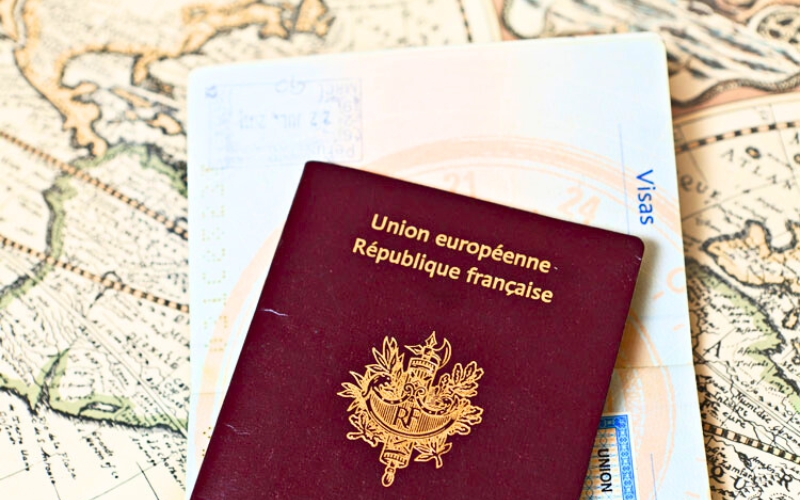
- Passport: valid for at least 6 months after your planned return date
- Visa or e-Visa: print in two copies if you need one
- Flight tickets: round-trip or proof of exit from the territory
- Travel insurance: medical expenses, cancellation, or assistance (strongly recommended)
- Paper and digital copies: of your passport, visa, insurance, reservations, etc.
💡 Tip: Store your digital documents in a secure cloud (Google Drive, Dropbox…) and keep a printed copy separate from originals while traveling.
Electronics and useful accessories
Even while traveling, electronic items have become almost as essential as clothes. Whether to take photos, navigate, communicate, or charge your devices, good preparation will spare you many problems once there. Here are the items not to forget:
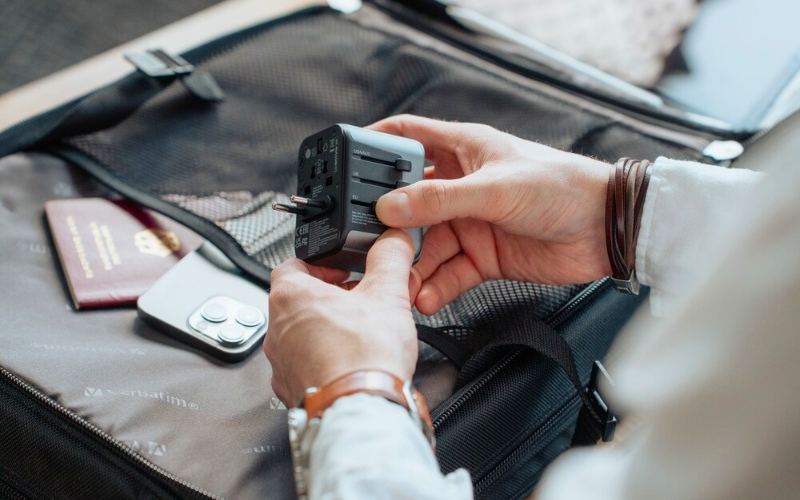
The electrical adapter, an essential for every trip to Vietnam
- Plug adapter: in Vietnam, outlets are often two-pin round (type C) or flat (type A) – a universal adapter is therefore ideal
- Chargers: for phone, camera, e-reader, smartwatch, etc.
- Power bank: valuable during long journeys or excursions without available outlets
- Unlocked phone: to be able to use a local SIM card, practical and economical for accessing the internet and making calls
- Camera or GoPro: if you want to bring back beautiful images of landscapes or outdoor activities
- Waterproof pouch or dry bag: to protect your phone, documents, or devices during sea excursions, kayaking, or rain
Other practical items
Beyond clothing, documents, and electronic devices, some everyday items can significantly improve your comfort and organization during your trip. Small but smart, they fit easily into a suitcase or backpack, and often prove very useful once there. Here’s a selection not to overlook:

Backpack
- Lightweight backpack: for your daily excursions, visits, hiking, or travel on trains/buses
- Reusable water bottle: eco-friendly and practical, especially if your accommodation offers filtered water
- Small padlock: to secure your backpack, suitcase, or locker in some hotels or transportation
- Travel journal and pen: to note your impressions, your itineraries, or simply keep track of your memories
- Book or e-reader: perfect for waiting times, long journeys, or relaxation moments
💡 Tip: Also add a few fabric bags or pouches to organize your things in your suitcase (dirty laundry, shoes, accessories). This makes your trip cleaner and more organized.
Packing for a trip to Vietnam doesn’t simply mean checking off a list of things to bring. It’s a way to project yourself, gently enter the universe of the country, and anticipate what you’ll experience: the humid heat of the South, the coolness of the northern mountains, the spirituality of temples, the unexpected of markets or off-the-beaten-path trekking. A well-thought-out suitcase isn’t a full suitcase: it’s a balanced suitcase, adapted to local realities, to your travel pace, to your comfort and your freedom. With intelligently chosen clothes, a complete care kit, your documents in order, and a few well-useful accessories, you’ll be ready to fully enjoy every moment. But beyond the items, what you carry with you is also your capacity to welcome the unexpected, to travel with an open mind and a light heart. And perhaps that’s the most important thing.