+84 9 75 46 33 10 (Whatsapp)
  info@horizon-vietnamtravel.com
  Français
  Español
  Português
  Deutsch

Karaoke in Vietnam
Table of contents
In Vietnam, singing karaoke is part of daily life. In cities as well as in the countryside, karaoke lounges, cafés, or even homes can be found everywhere where people gather to sing together. After a day of work or on weekends, it is one of the favorite pastimes of Vietnamese people.
Singing here is not just having fun. It is sharing a moment of conviviality, expressing one’s emotions, and strengthening bonds between friends, colleagues, or family members. Karaoke, arriving from Japan, has found a new soul in Vietnam: that of a popular tradition full of joy, warmth, and simplicity.
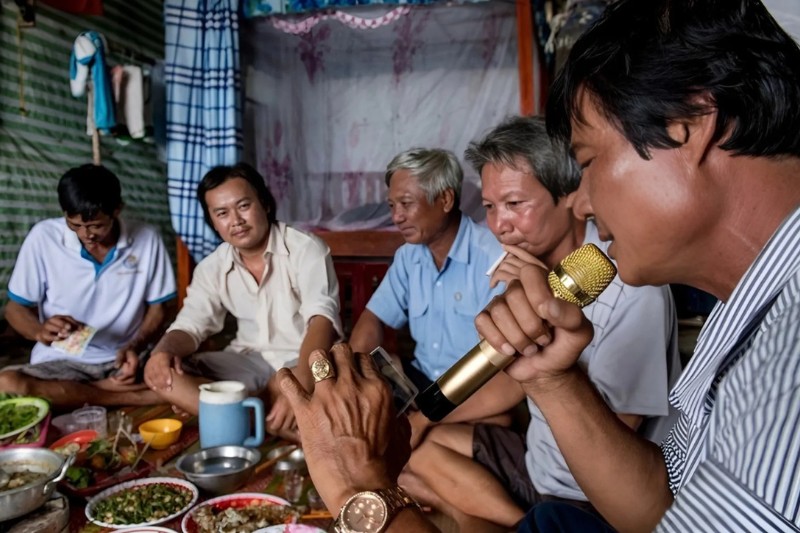
Singing karaoke has now become an integral part of Vietnamese culture
Origin of Karaoke: from Japan to Vietnam
Karaoke has its roots in Japan in the early 1970s. It was a musician from Kobe named Daisuke Inoue who had the ingenious idea of creating a machine capable of broadcasting recorded music so that customers at a bar could sing their favorite songs alone. The word karaoke comes from two Japanese terms:
- kara (空), which means “empty”,
- okesutora (オーケストラ), phonetic transcription of the English word orchestra.
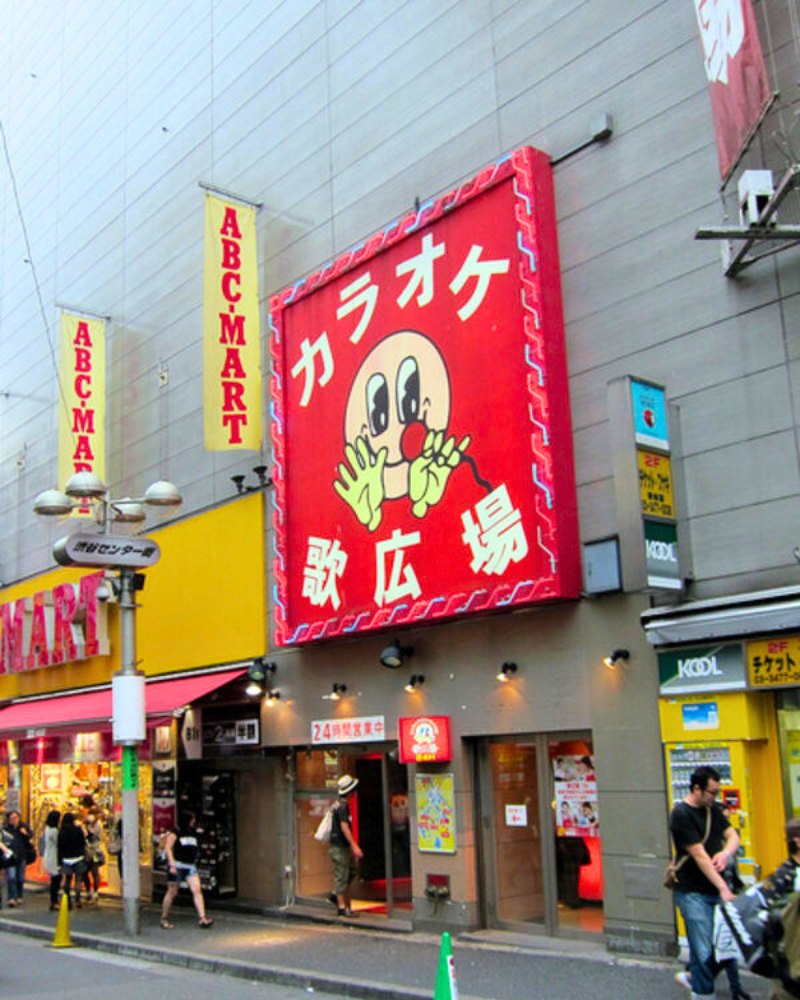
It is in Kobe, Japan, that the word “カラオケ” “karaoke” was born
The expression literally translates as “empty orchestra,” evoking the idea of musical accompaniment without musicians. This innovative concept, both playful and participatory, quickly took hold throughout Japan before spreading throughout Asia. In the 1990s, karaoke made its entrance into Vietnam, first in large hotels and private clubs frequented by the urban bourgeoisie. Its success was immediate: in a few years, it became democratized and conquered all social classes, becoming a national pastime.
Karaoke is today an essential pastime in Vietnam. It is found everywhere: in large cities, in working-class neighborhoods, or in the heart of villages. Vietnamese people love to gather around a microphone, sing together, laugh, and share a joyful moment. Singing is part of life, like eating together or telling stories after work.
Why is Karaoke So Popular in Vietnam?
The success of karaoke is undoubtedly due to the sociable and warm character of the Vietnamese people. Vietnamese people love music and moments spent with friends or family. Karaoke brings generations closer together: the older ones often choose sweet and nostalgic songs, while younger people prefer modern pop. In the same room, different voices are heard, but everyone sings with the same pleasure.
For many, singing is a way to free one’s emotions. Vietnamese people put their hearts into their words, whether joyful or melancholic. One sings to feel lighter, to express something that one would not say otherwise. Sometimes a song is enough to bring two strangers closer or ease a difficult day.
Karaoke is also popular because it is simple and accessible. You can sing anywhere: in equipped bars, neighborhood cafés, or even at home with a simple television and a microphone. In villages, sometimes loudspeakers are installed on the square so everyone can sing together. All it takes is a little music, and good mood is instantly there.
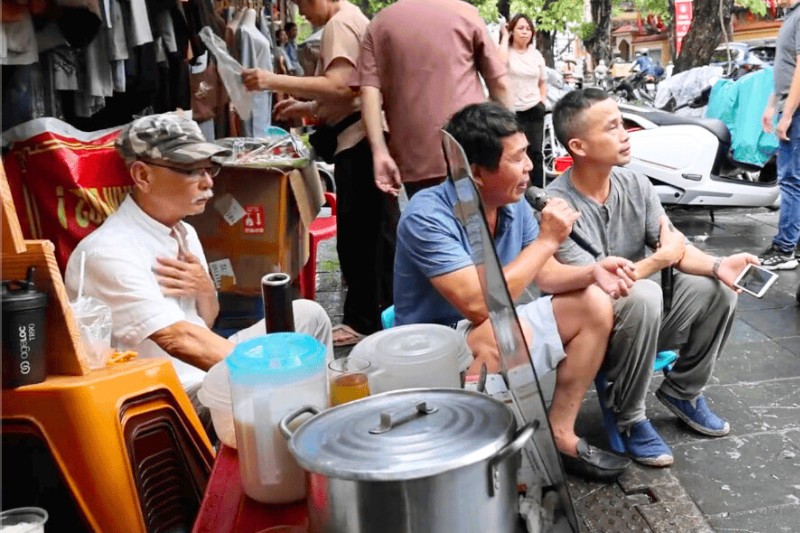
Over time, karaoke has become a life habit. It accompanies meals with friends, family parties, or celebrations of Tet, the lunar new year. It unites generations and offers everyone a space to express themselves freely.
If it is so present in Vietnamese life, it is because it represents the spirit of the country well: warm, simple, and outward-facing. Karaoke is a moment of sharing in which differences disappear and in which music unites everyone.
When Joy Becomes Noise
When Joy Becomes NoiseIn Vietnam, everyone likes to sing, but karaoke can sometimes disturb the tranquility of neighbors. In large cities like Hanoi or Ho Chi Minh City, complaints related to karaoke noise, both in bars and at home, are multiplying. It is not uncommon to hear songs echoing late into the night, sometimes in the middle of the week.
Faced with this situation, local authorities decided to act. Precise rules now govern the sound volume and opening hours of karaoke establishments. Decree 144/2021/NĐ-CP specifically provides for fines for individuals or businesses whose music level exceeds authorized limits in residential areas.
These measures aim mainly to protect the daily life of residents, while not slowing down the practice of karaoke, which remains a cultural expression deeply rooted in Vietnamese society. The challenge is to find a balance between pleasure and respect for neighbors, so that music can continue to unite without disturbing.
In Vietnam, karaoke is part of life. One sings to relax, to laugh a little after work, or simply to spend a good time with loved ones. In homes, cafés, or alleyways of working-class neighborhoods, all it takes is a microphone, a few friends, and a familiar song for the atmosphere to set in. It is a habit full of good humor, which brings generations closer together and creates memories. Karaoke here is not just a game: it is a way of being together, of sharing music, and of simply enjoying the present moment. Perhaps that is precisely the charm of Vietnam: this ability to transform a simple song into a moment of collective happiness.