+84 9 75 46 33 10 (Whatsapp)
  info@horizon-vietnamtravel.com
  Français
  Español
  Português
  Deutsch

The Art of Living of the Vietnamese
Table of contents
The Vietnamese are known for their courtesy, their calm and their discretion. They avoid conflict and always prefer to maintain harmony. There can sometimes be cultural misunderstandings, but there is no point in getting angry, especially in public: someone who gets angry is considered rude, and the person on the receiving end of the anger feels humiliated. A Vietnamese saying goes: “In front of others, you teach your child; on the pillow, your wife” — in other words, you maintain discretion and avoid making people lose face.
Here are a few simple rules to be well regarded in Vietnam:
Clothing
In Vietnam, clothing must be appropriate and respectful of local customs. Even when traveling, it is essential to plan suitable clothes to avoid cultural misunderstandings and to show that you respect the country’s traditions. Walking around bare-chested in public places is very much frowned upon, because it goes against the Vietnamese dress code, which favors discretion and modesty. For women, bare shoulders, very short skirts or overly tight clothing may be perceived as inappropriate, particularly in temples, pagodas or private homes.
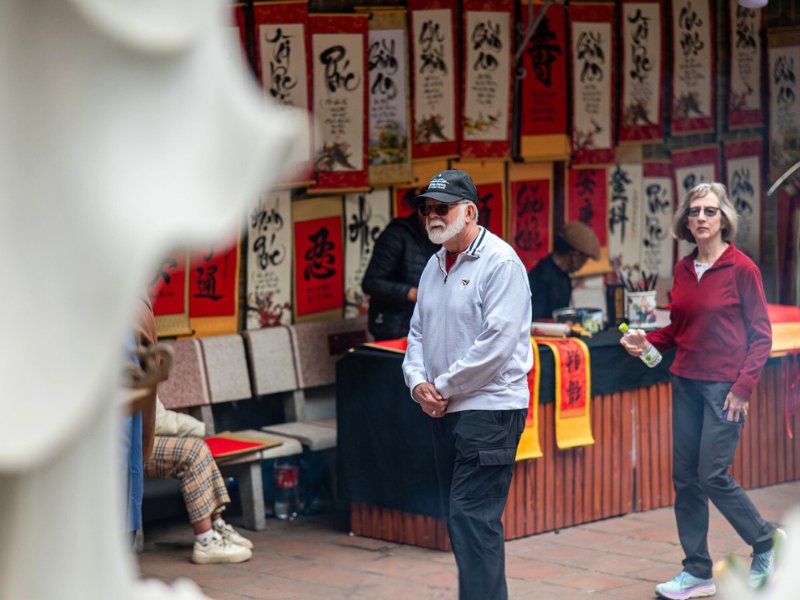
In sacred places, it is also strongly recommended to cover at least the shoulders and knees, an essential rule for anyone wondering how to dress in Vietnam during cultural visits. In general, adopting sober, comfortable and respectful clothing is not only appreciated by the Vietnamese, but also contributes to a more harmonious travel experience.
Courtesy and greetings
In Vietnam, courtesy holds a central place in daily interactions, and greetings follow a very respected code. A simple smile is often the most common and most appreciated form of greeting, because it expresses at the same time the benevolence and modesty typical of Vietnamese culture. It is advisable to avoid shaking hands too firmly or making overly demonstrative gestures, since reserve is considered a form of respect.
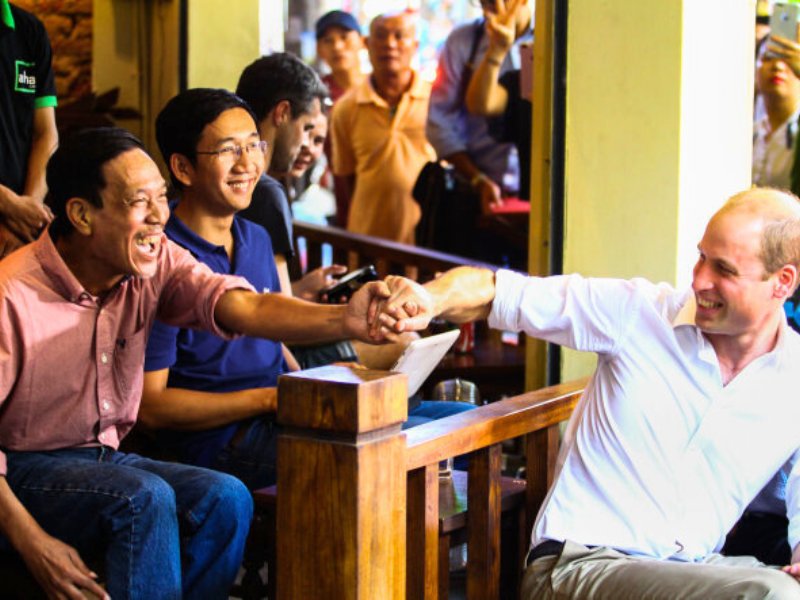
Contrary to Western custom, people almost never address each other with a direct “you”: they use forms of address such as Anh, Chị, Cô, Chú or Bác, which reflect the age, status or relationship between the speakers. Using these titles correctly shows that you understand the local social codes and that you respect the Vietnamese cultural hierarchy. In general, maintaining a calm, composed and measured tone is essential to communicate harmoniously and avoid any misunderstanding. This attitude is one of the pillars of the Vietnamese art of living and helps create good relationships during a stay in Vietnam.
Behavior in public
In Vietnam, behavior in public must remain calm, discreet and respectful so as not to attract attention negatively. It is important not to raise your voice, even in case of disagreement, because speaking loudly can be interpreted as a lack of good manners. Likewise, abrupt or overly expressive gestures are little appreciated in a culture that values reserve and harmony. Overly visible displays of affection – such as long kisses or holding each other very intimately – are considered inappropriate in public space. You should also avoid pointing at someone with your finger, a gesture perceived as rude.
As for a child’s head, it is traditionally considered a sacred part of the body: it is therefore frowned upon to place your hand on it, even as a sign of affection. In general, adopting a composed and respectful attitude makes it easy to fit in and corresponds perfectly to Vietnamese cultural expectations, which are closely tied to courtesy and gentle interactions.
Etiquette at the table
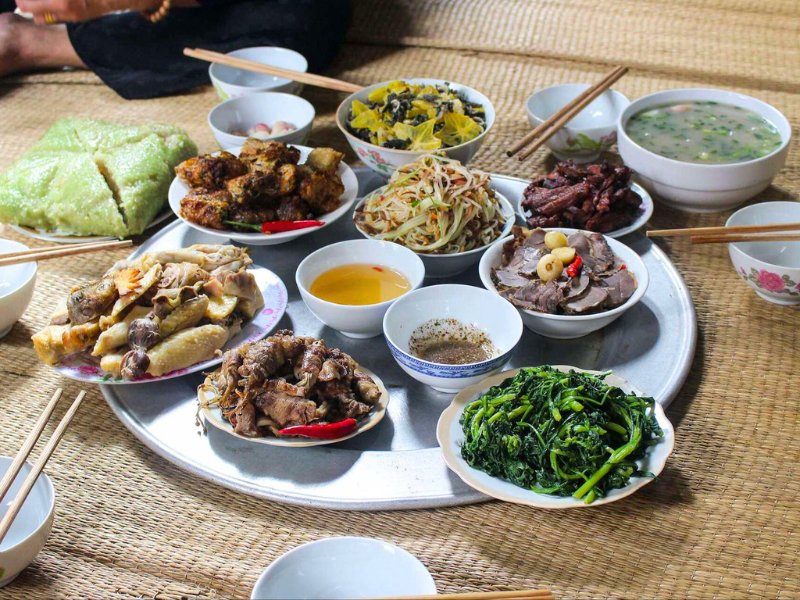
Sharing a meal in Vietnam is an important moment, not only to nourish oneself, but above all to strengthen family and social bonds. The meal follows well-defined rules of courtesy that are essential to respect so as not to offend the host. People always wait for the elders to start eating before touching their own plate, because this demonstrates the respect owed to elders, a central value in Vietnamese culture. It is also very important never to stick your chopsticks vertically into a bowl of rice: this gesture is associated with funeral rites and can be perceived as a very bad omen. People preferably use the serving chopsticks, placed in the center of the table, to help themselves, in order to avoid any contact considered unhygienic. Moreover, the host often offers the best morsels to the guests, a traditional way of expressing generosity and hospitality. It is perfectly normal for them to insist on serving you several times: refusing too quickly can be interpreted as a lack of appreciation. Accepting at least a little, with a smile, is the best way to honor their invitation.
Social relationships
Social relationships in Vietnam are based first and foremost on courtesy, discretion and respect for others, three values deeply rooted in the country’s culture. When entering a Vietnamese home, it is customary to remove your shoes before crossing the threshold: this simple gesture immediately marks the respect you bring to the household and the family that welcomes you. If you are invited, offering a small gift – fruit, tea, a local specialty or a souvenir from your country – is an elegant way to show your gratitude and your desire to maintain a warm relationship.
It is also important to avoid any open criticism regarding family, religion or the government, sensitive topics that can create awkwardness or misunderstandings. Since modesty is a fundamental value in Vietnam, adopting a humble attitude, without boasting or imposing oneself, is particularly appreciated. In general, a simple, respectful and benevolent posture greatly facilitates exchanges and will allow you to experience authentic moments with the Vietnamese, who are very sensitive to displays of tact and courtesy.
In the street and when getting around
In the street and on public transport in Vietnam, some rules of etiquette help you fit in better and respect local customs. It is always appreciated to give up your seat to the elderly, pregnant women or parents accompanied by children, a simple gesture that reflects the importance given to respect for elders in Vietnamese culture. When queuing, try as much as possible to respect the order of passage, even if this may sometimes seem a little flexible in certain everyday situations.
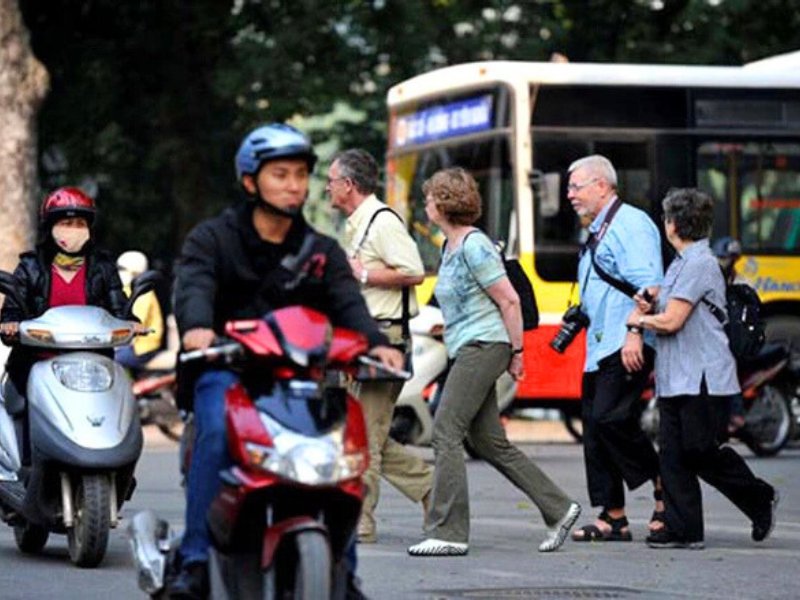
The way of crossing the street is also particular in Vietnam: there is no need to run or make abrupt movements. It is better to cross calmly, at a steady pace, giving drivers time to anticipate your movements. This method, surprising at first, actually makes for a smoother and safer crossing in dense and constant traffic. By adopting these simple and respectful behaviors, you will get around with greater peace of mind and will be perceived as a traveler attentive to local codes.
The Vietnamese art of living is founded on three simple and profound values: respect, modesty and harmony. It is these that shape everyday gestures, greetings imbued with gentleness, the way of sharing a meal or welcoming a visitor. By adopting these attitudes with sincerity, even imperfectly, you will discover how welcoming, caring and generous the Vietnamese can be. Following these few principles allows you not only to avoid missteps, but above all to experience more genuine, more human encounters, and to fully enjoy the delicacy that characterizes Vietnamese culture.