+84 9 75 46 33 10 (Whatsapp)
  info@horizon-vietnamtravel.com
  Français
  Español
  Português
  Deutsch

Taoism
Table of contents
Taoism, born in China more than two thousand years ago, is at once a philosophy and a religion founded on the quest for balance between humans, nature, and the universe. Introduced to Vietnam under the influence of ancient China, it gradually became integrated into the spiritual and cultural life of the Vietnamese people. More than a belief, Taoism has become a true philosophy of life that promotes simplicity, letting go, and harmony with the natural world. Over time, it has intertwined with Buddhism, Confucianism, and ancestor worship, forming a unique spiritual tradition that still shapes Vietnamese culture today.
What is Taoism?
Taoism is a religion whose followers are found mainly in East Asian countries. Like China, Malaysia, Korea, Japan, Vietnam, and Singapore. Numerous temples dedicated to Taoism can be found there. According to current estimates, several hundred million people practice some form of Taoism. From 20 to 30 million in mainland China. This is quite remarkable since mainland China is a communist nation that prohibits many forms of religion. The origins of Taoism date back to the 3rd or 4th century B.C. Like many religions, Taoism has its own set of scriptures, the principal of which is simply called the “Tao.” Other texts are included, and the entire spectrum of the Taoist canon is known by the name Daozang. The word “Tao” comes from the character of the same name in the Chinese alphabet. The term means “path.”
Meaning of Taoism:
Taoism has never been a unified religion and some scholars classify it into three categories: philosophy, religion, and Chinese folk religion. For this reason, it is difficult to determine exactly what Taoists believe. In general terms, the Tao concerns the flow of the universe, or the force behind the natural order that keeps all things balanced and in harmony. It is considered a source of existence and of “non-existence.” Some Eastern religions call this concept the “yin and yang” of the universe, which can also be expressed as the equal forces of “good” and “evil.”
Practice of Taoism:
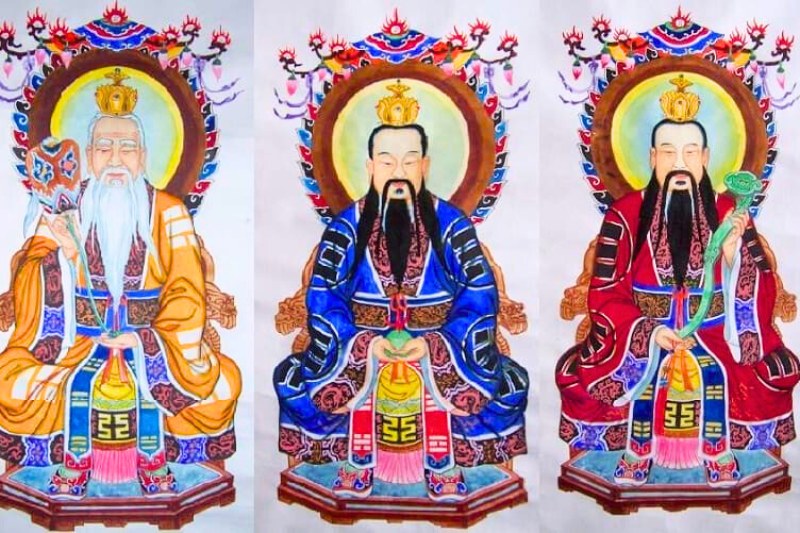
Most adherents of Taoism believe in polytheism (worship of many gods) and ancestor worship. Taoists tend to venerate especially on the holidays of their calendar, when food is presented as a sacrifice to the gods or to the spirits of deceased ancestors. Other forms of sacrifice manifest as the burning of paper money so that it rematerializes in the spirit world to be used by a departed ancestor.
A number of martial arts disciplines such as Tai Chi Chuan and Bagua Zang have their roots in Taoism. Few people in the Western world practice Taoism, and it would seem that some have confused the Tao with Zen, as evidenced by books such as Fritjof Capra’s “The Tao of Physics” or Benjamin Hoff’s “The Tao of Pooh.”
Taoism versus Catholicism
Although the word Tao means “Path,” it is not the only path. There are many religions that claim to be the way to God.
In Catholicism, Jesus Christ said He is the only way to God. Since Taoism denies this, it would fail in the sense that it does nothing to address the sinful nature of humanity.
All those who were born (except Jesus) came into the world with a nature of sin inherited from Adam in the Garden of Eden, and it is this sin that separates us from God. A holy and righteous God cannot accept anything sinful in His sight. But in His mercy, He sent His Son Jesus into this world to die on the cross and exchange His righteousness for our sin. Only by accepting this expiatory death and believing in Christ can we escape God’s judgment and receive eternal life.
Christ, not the Tao, is the path to eternal life.
Unlike other religions, in Taoism sin is tolerated because Taoism has no supreme god; each person can practice according to their own vision. It follows the teachings of the Tao (the way).
Taoism in Vietnam
Although today they have only limited formal organization in Vietnam, the concepts of Taoism are present in the daily life cycle of Vietnamese people, whether they are city dwellers or farmers plowing the rice fields.
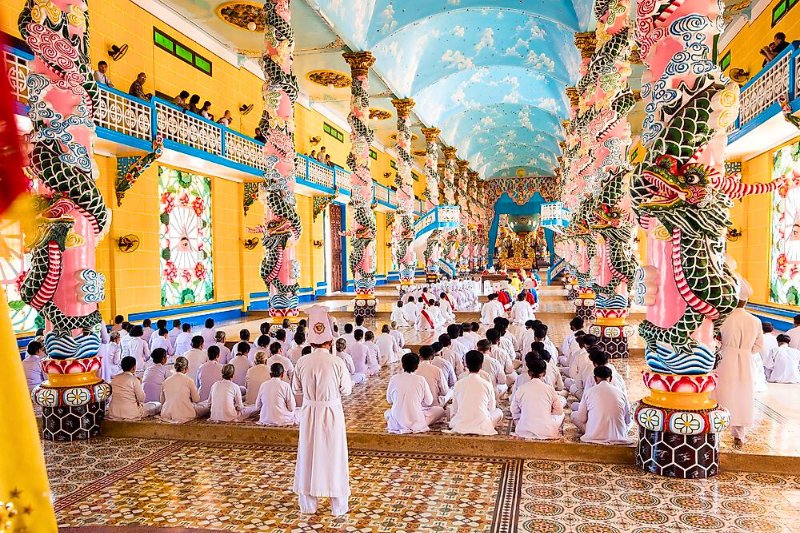
Introduced to Vietnam through the influence and cultural occupation of China, Taoism is “a way,” “a law of life.” This obligates humans to adapt to nature in order to achieve happiness. Its influence today is one of the most powerful religious forces in Vietnam.
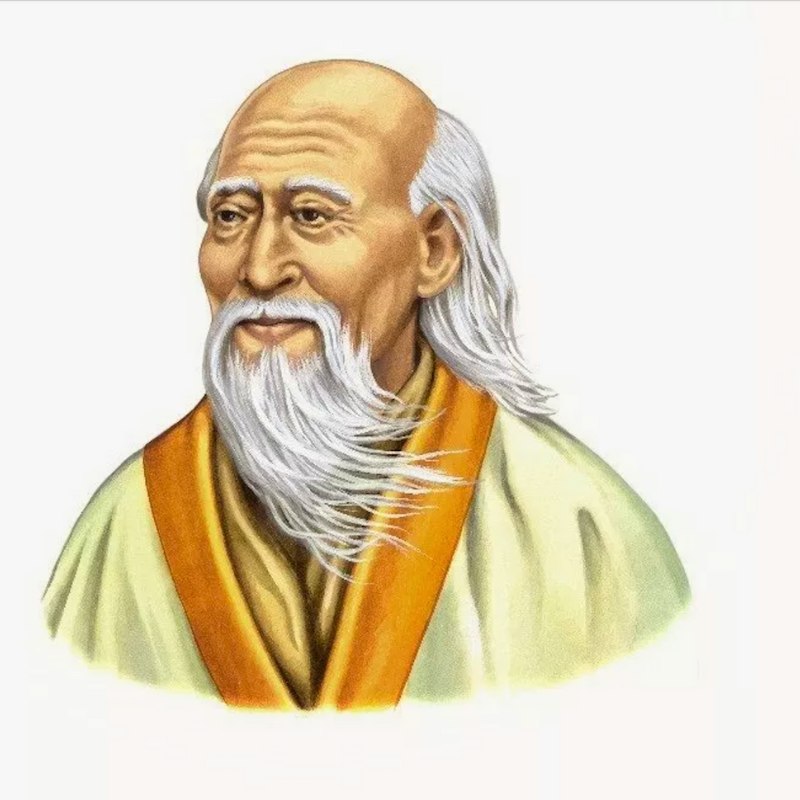
The beginnings of Taoism are attributed to Lao Tzu, a contemporary of Confucius of Chinese nationality. The date dates back to approximately 500 B.C. and the doctrine he embraced is explained in a book entitled Dao Duc Kinh which translates as “The Book of Morality.” He devoted his life to seeking a solution to conflicts in society. Feudal warfare was a constant problem in his life, and if he had been able to reduce or eliminate these problems, life would have been much better.
Taoism encourages a pure and simple life, harmony between humans, nature, and the universe. Once goodwill was established, Lao Tzu believed that conflict would cease. In Vietnam today, Taoism is a mixture of spiritualism, divination, and elements of magical characteristics linked to religion. Tao means “the path” and the religion seeks to teach its disciples the correct path in harmony with nature.
It was in the first century that Taoism began to become a religion. With followers who sought the opportunity for immortality through their actions.
Yin and Yang
Definition
Yin and Yang oppose each other; black is the feminine which is yin, white is the masculine which is yang. The latter is active and is associated with heat and the sun. In contrast, yin is cold and passive. All problems, whether illness, natural disasters, or disturbances, arise from an imbalance between yin and yang.
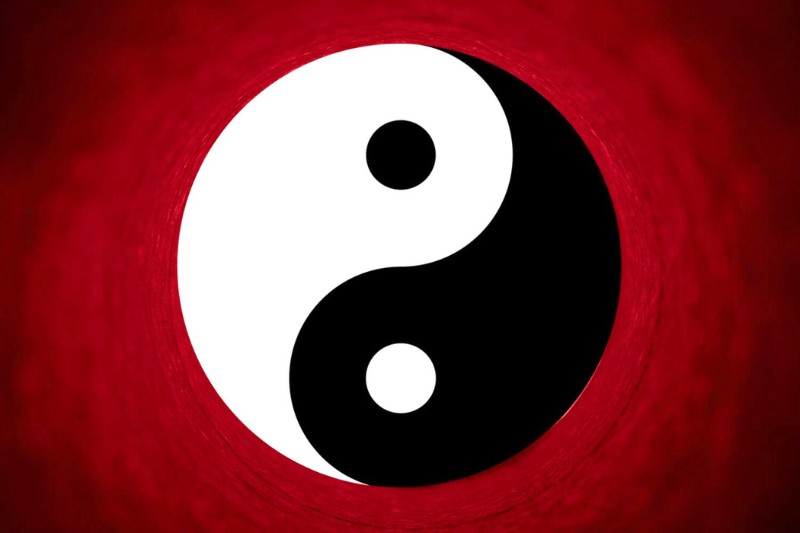
Taoists aim to avoid harming the natural law that governs life. Government should not play a leading role in the lives of inhabitants. It should certainly not try to bring about changes.
Taoism and Confucianism present clear similarities; the latter has no spiritual dimension but, beyond that, there are few differences. Similarly, Theravada Buddhism and Taoism both share non-violence and the path to enlightenment. Although Theravada Buddhism does not have the rituals of Taoism. Buddhism actually adopts much of what Taoism contains, certainly its gods and its practices.
In Vietnam
If you visit Vietnam, you will be exposed to the cultural richness of society. Organized trips to Vietnam aim to allow tourists to discover much more than monuments and the natural beauty of the country.
Taoism, Buddhism, Confucianism, and ancestor worship are all important within its borders. In temples and pagodas, during your trip to Vietnam, you will see numerous Taoist images. Homes have small altars to make offerings and venerate. The Vietnamese New Year, Tết, is rich in Taoist traditions. Superstition, palm reading, and astrology play an important role in life.
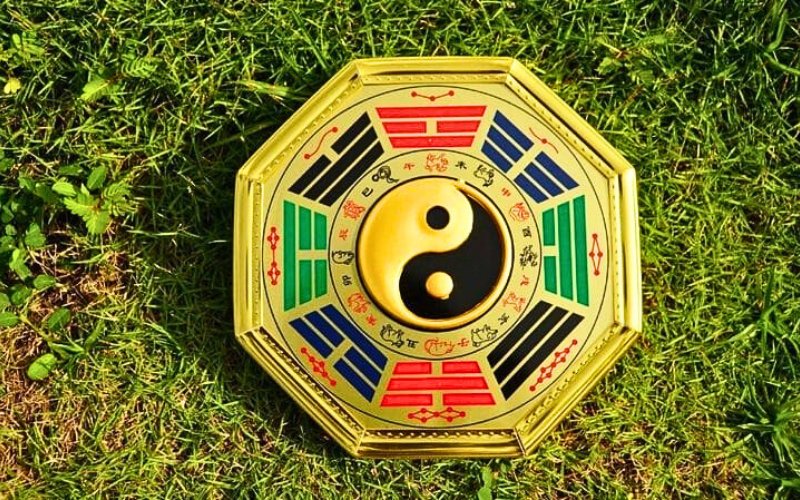
The octagonal Taoist mirror is often hung above the doors of Vietnamese houses
During a visit to Vietnam, you will often see a small octagonal mirrored disc on which Yin and Yang are drawn. These discs appear above the door of homes and shops. They block wandering spirits and ghosts from entering the house. This disc brings peace of mind to a family or business owners, it performs a positive action.
During their travels, tourists are likely to encounter smiling faces wherever they go. It is the beliefs of the inhabitants that seem to help them live their lives despite difficulties.