+84 9 75 46 33 10 (Whatsapp)
  info@horizon-vietnamtravel.com
  Français
  Español
  Português
  Deutsch

Top 11 Unusual Vietnamese Dishes to Discover Before You Go
Table of contents
Vietnam is universally recognized for its refined cuisine, with exquisite and authentic flavors, where emblematic dishes like phở and bánh mì enchant gourmets around the world. But beyond these essential classics, Vietnam conceals a fascinating collection of unusual dishes, reserved for culinary explorers seeking new sensations. These little-known specialties, sometimes surprising and often bold, embody a wealth of culture and a gastronomic heritage deeply rooted in local traditions.
Each unusual dish of Vietnam reflects a region, a unique history and customs, inviting travelers to step outside their comfort zone to discover ingredients and preparation methods that testify to Vietnamese ingenuity. From fertilized duck eggs to grilled insects, passing through soups made with surprising ingredients, these intriguing dishes offer a sensory adventure without equal, revealing a little-known aspect of Vietnamese cuisine. For the boldest, venturing to taste these unusual dishes means immersing oneself in the very essence of a creative, authentic Vietnam firmly anchored in its traditions.
Trung vit lôn (Balut or fertilized duck egg)
Trứng Vịt Lộn is a fertilized duck egg containing an almost fully developed embryo, considered a delicacy in many Southeast Asian countries, including Vietnam. This unusual dish is often consumed for its alleged health benefits, particularly as a fortifying tonic and source of protein.
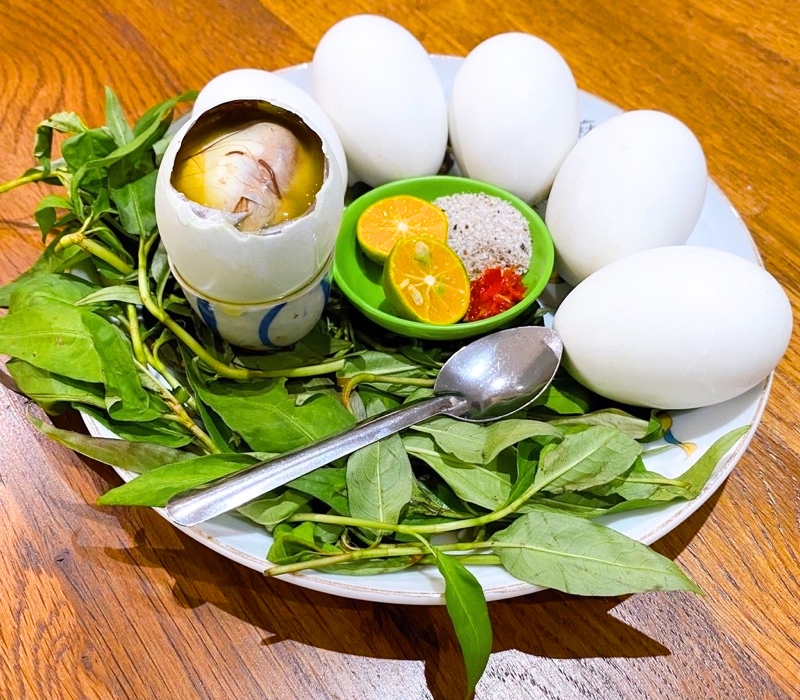
To enjoy it, the egg is first boiled, then served hot. It is generally consumed with fresh herbs like mint and basil, accompanied by salt, pepper and sometimes a touch of lime to enhance the flavors. Some prefer to add a spicy sauce for an additional note of taste.
Despite its unappetizing appearance to the uninitiated, Trứng Vịt Lộn is appreciated for its unique texture and rich taste. It is often sold by street vendors and is a common snack on Vietnamese streets. This dish remains a memorable culinary experience for those brave enough to try it.
Tiêt Canh (Blood soup)
Tiết Canh is a traditional Vietnamese soup made from fresh duck or pork blood, mixed with pieces of meat and herbs. This unusual dish is prepared by mixing the blood with a little lemon or vinegar juice to make it coagulate, then adding pieces of cooked meat, roasted peanuts and fresh herbs like mint and cilantro.
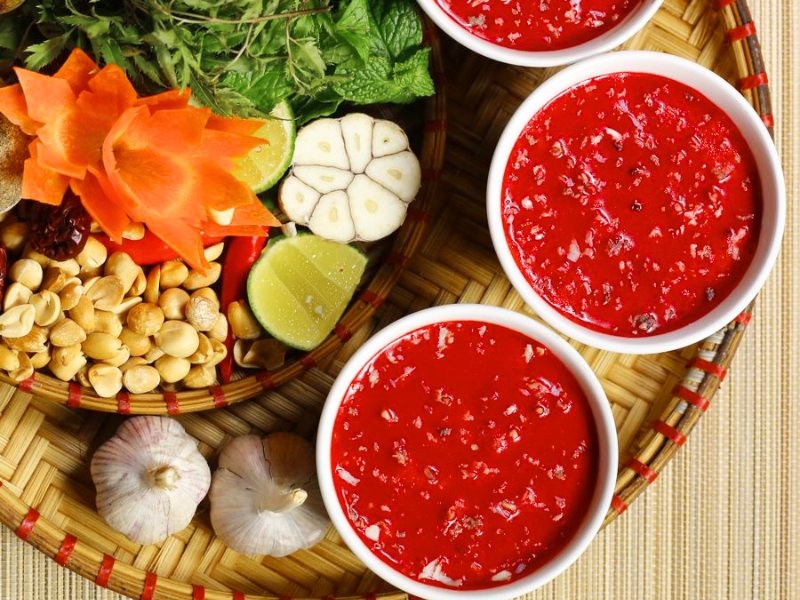
Tiết Canh is often consumed on special occasions or during family gatherings and is appreciated for its unique texture and rich flavors. Although this dish may appear unusual and even shocking to some, it is rooted in Vietnamese culinary culture and is considered a delicacy by those who appreciate it.
Thit Cho (Dog meat)
Although controversial, dog meat is consumed in some regions of Vietnam, particularly in the northern part of the country. This traditional dish is often prepared in various ways, including grilled, stewed or as a sausage. Dog meat is generally seasoned with local herbs and spices to enhance its flavor.
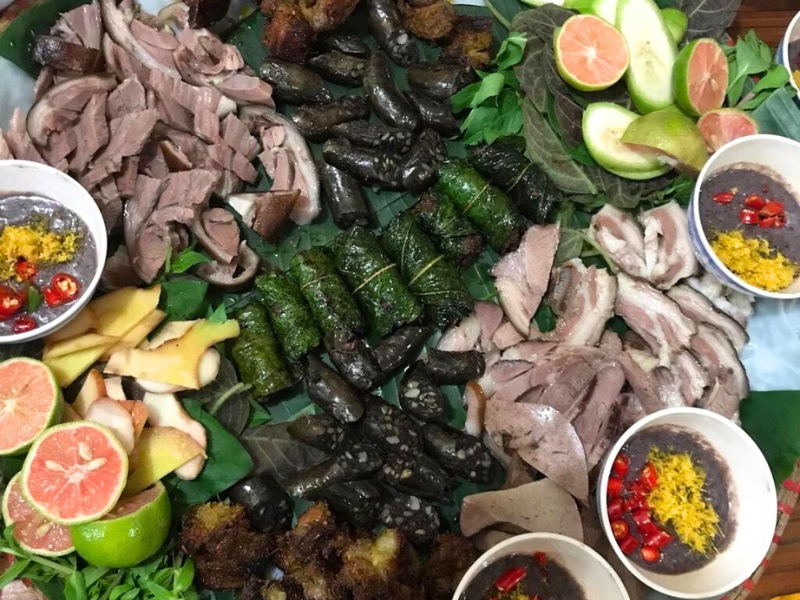
Thịt Chó is considered a delicate dish and is often reserved for special occasions or celebrations. According to tradition, it is believed that consuming dog meat brings luck and strength, particularly during the cold months of the year. However, this practice raises significant ethical debate and is increasingly criticized by animal rights advocates and young Vietnamese generations.
Nem Chua (Fermented pork sausage)
Nem Chua is a fermented pork sausage, highly appreciated in Vietnam for its distinctive sour taste and unique texture. This dish is prepared by mixing minced pork with garlic, chili peppers, spices and sugar, then allowing the mixture to ferment for several days. The fermentation often takes place by wrapping the sausage in banana leaves, which contributes to its particular aroma.
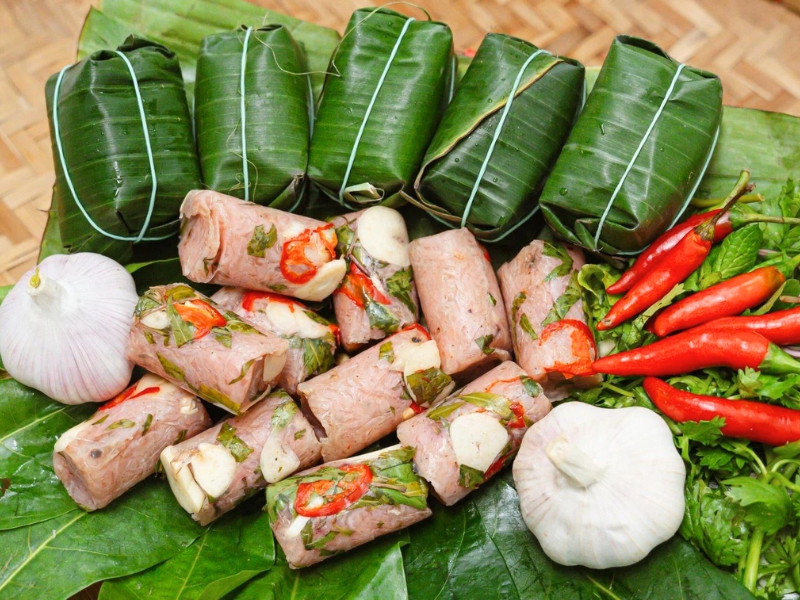
Nem Chua is often consumed raw, sliced thinly and served as an appetizer or snack. It is frequently accompanied by fresh chili peppers, pickled garlic and various herbs to accentuate its flavors. Its combination of sour, spicy and slightly sweet notes makes it a delicacy appreciated during celebrations and social gatherings.
Although Nem Chua may seem unusual to the uninitiated because of its preparation method and raw consumption, it remains a classic example of the creativity and diversity of Vietnamese cuisine.
Ruoi (Polychaete worm)
Rươi is an unusual Vietnamese dish made up of marine worms, also known as polychaete worms. This seasonal specialty is particularly appreciated in some coastal regions of Vietnam, especially in the north, and is considered a rare delicacy, generally harvested in autumn.
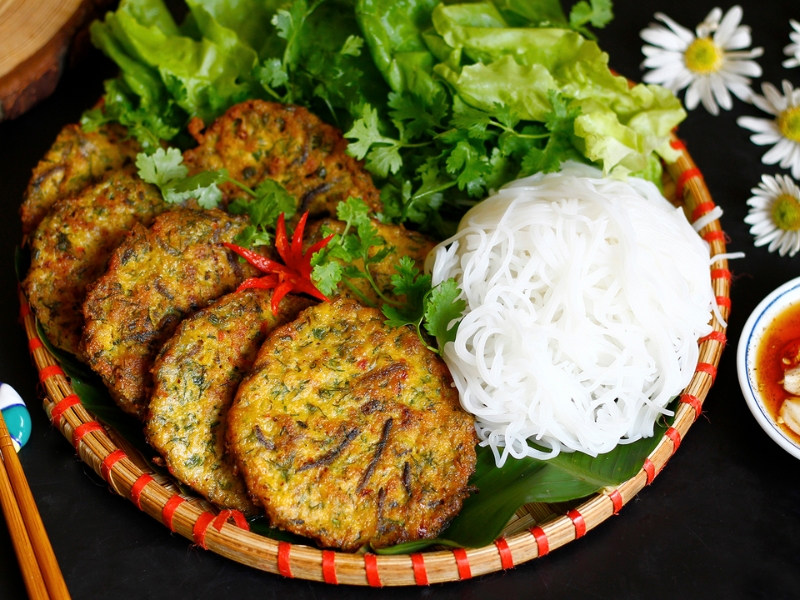
To prepare Rươi, the worms are first cleaned, then fried or cooked with eggs, aromatic herbs and various spices. One of the most popular dishes is Rươi omelette (Chả rươi), in which the worms are mixed with eggs, dill, mandarin leaves and sometimes ground pork, before being cooked in a pan.
Rươi is known for its unique texture and delicate taste, which resembles that of seafood. Although this dish may seem strange to foreigners, it is highly appreciated by Vietnamese people for its distinctive flavor and nutritional values. Every autumn, families gather to enjoy this seasonal specialty, thus marking a special moment of the year.
Nhông Tam (Silkworm pupae)
Silkworm pupae, called Nhộng Tằm, are a protein-rich Vietnamese snack, appreciated for its crispy texture and distinctive taste. These pupae are prepared in various ways, but are generally fried or cooked with spices to enhance their flavors.
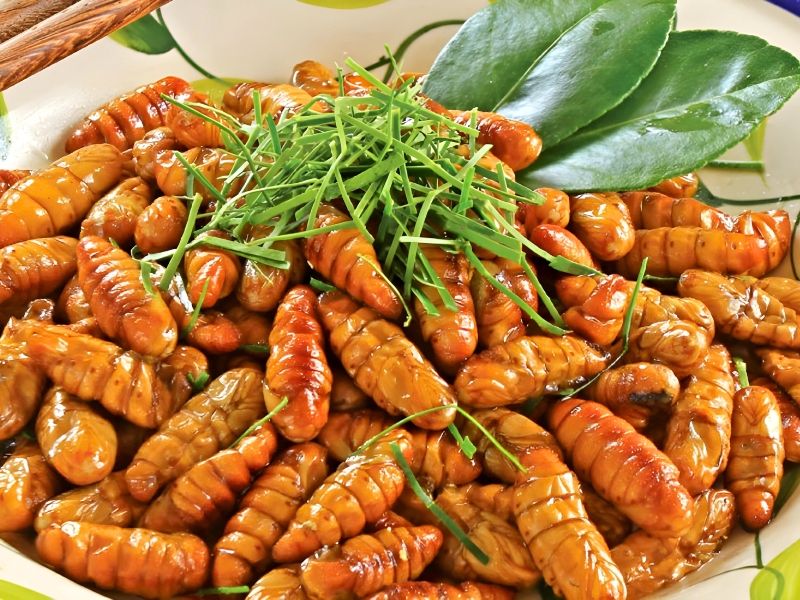
To prepare Nhộng tằm, the pupae are carefully cleaned, then fried at high heat with garlic, onions and sometimes fresh herbs like cilantro. They can also be boiled before being lightly seasoned with salt and spices. This dish is often served hot and is commonly found in local markets as well as during celebrations.
Beyond their unique taste, silkworm pupae are very nutritious, offering an excellent source of protein and minerals. Although eating insects may seem strange to some, Nhộng Tằm is deeply rooted in Vietnamese culinary culture and is considered a healthy and delicious snack.
Đuông dua (Coconut worm)
Đuông dừa, or coconut worm, is one of Vietnam’s unusual dishes, appreciated especially in the southern regions. These larvae, nestled in coconut palm trunks, are distinguished by their creamy texture and delicate taste. Although they may seem surprising to visitors, they are tasted raw – sometimes alive – for an authentic experience, or lightly cooked to soften their texture. Dipped in nước mắm (fermented fish sauce) or accompanied by chili, they offer an intense and spicy flavor. Grilled or fried, they become crispy on the outside while remaining tender on the inside.
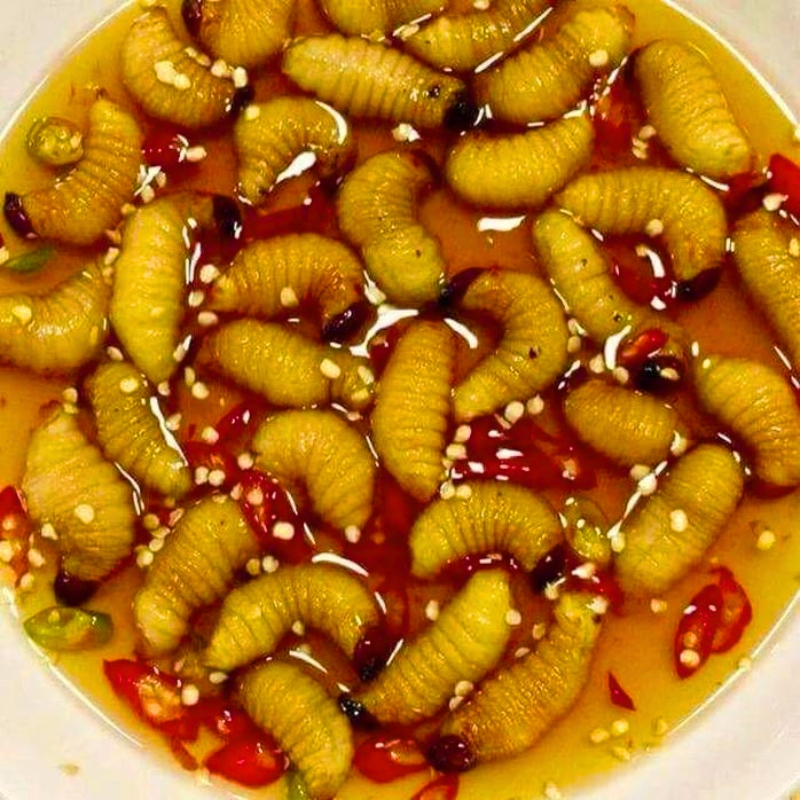
Đuông Dừa is also an excellent source of protein and nutrients, symbolizing the originality and culinary diversity of Vietnam. By creatively exploiting natural resources, this bold specialty enriches Vietnam’s gastronomic heritage and invites taste adventurers to discover the very essence of Vietnamese cuisine.
Sâu riêng (Durian)
Sầu Riêng, known as durian, is an exotic fruit originating from Southeast Asia, famous for its intense and unique odor. Nicknamed “the king of fruits,” durian is highly prized for its creamy and sweet flesh, but often divides opinions because of its powerful aroma, which some find unpleasant.
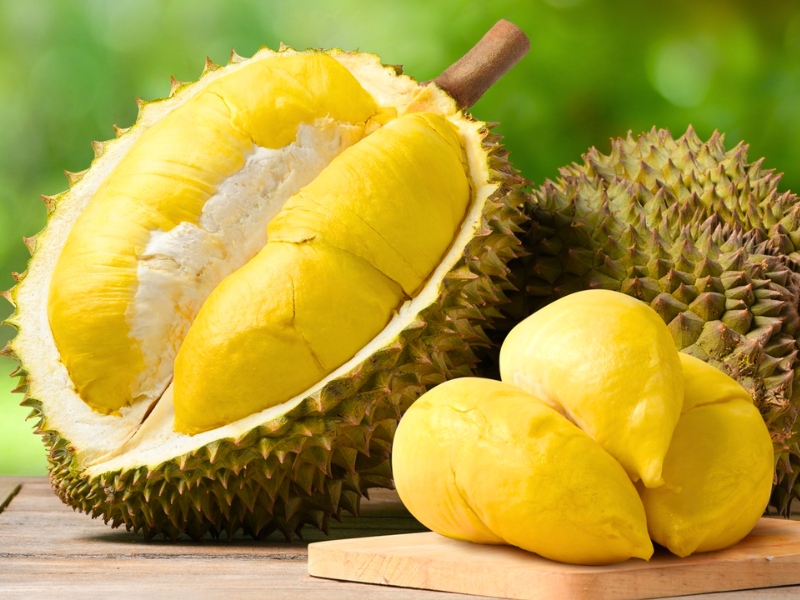
Durian is covered with a thick spiky skin that must be opened carefully. Inside, the pale yellow flesh is divided into segments, each containing seeds. The texture of the flesh is rich and creamy, with a complex flavor that blends notes of caramel, almond and sometimes cheese.
In Vietnam, durian is consumed fresh, but it is also used in a variety of desserts and beverages, such as ice creams, cakes and smoothies. Despite its distinctive odor, durian is highly nutritious, rich in vitamins, minerals and antioxidants.
This unusual fruit, although polarizing, remains an essential culinary experience for those wishing to explore the richness of Vietnamese flavors.
Mam Tôm (Shrimp paste)
Mắm Tôm, a fermented shrimp paste, is an emblematic condiment of Vietnamese cuisine, renowned for its intense flavor and umami taste. Prepared by mixing shrimp or small crustaceans with salt, then fermented for several months, Mắm Tôm is distinguished by its dense texture, purplish color and powerful aroma.
Used in various Vietnamese dishes, Mắm Tôm is often seasoned with lemon or lime juice, sugar and sometimes chili to sweeten its salty and pungent taste. This sauce accompanies popular dishes such as bún đậu mắm tôm (rice noodles with fried tofu) and chả cá Lã Vọng (fried fish with dill), bringing a unique depth of flavor.
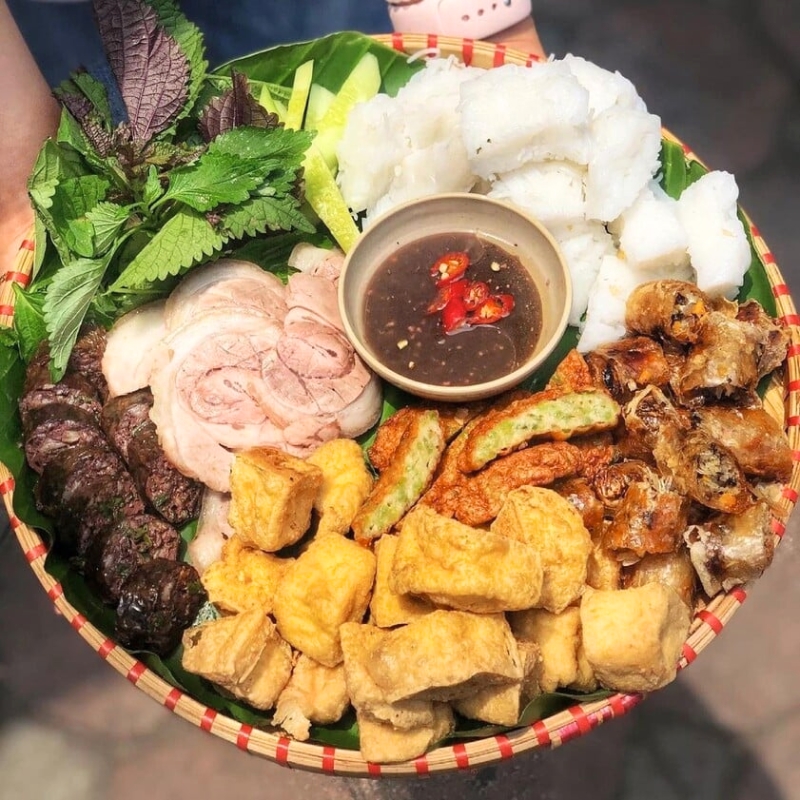
Although its pronounced odor may surprise the uninitiated, Mắm Tôm is appreciated for its ability to enhance flavors and is essential among Vietnam’s unusual dishes that enrich numerous traditional Vietnamese recipes. Embodying the depth and richness of Vietnamese cuisine, it is considered a true symbol of its culinary heritage.
Chuôt dông (Rice field rat)
The rice field rat, or Chuột Đồng, is part of Vietnam’s unusual dishes, appreciated in some rural regions of the country. These rats, which live in rice fields, are caught mainly during the harvest season and are valued for their tender and flavorful meat. Prepared in various ways, the rice field rat is often grilled or cooked in a stew. When grilled, it is marinated with local herbs and spices to achieve crispy skin and juicy meat. In stew version, it is simmered with vegetables, spices and sometimes a touch of coconut milk, for a rich and flavorful dish.
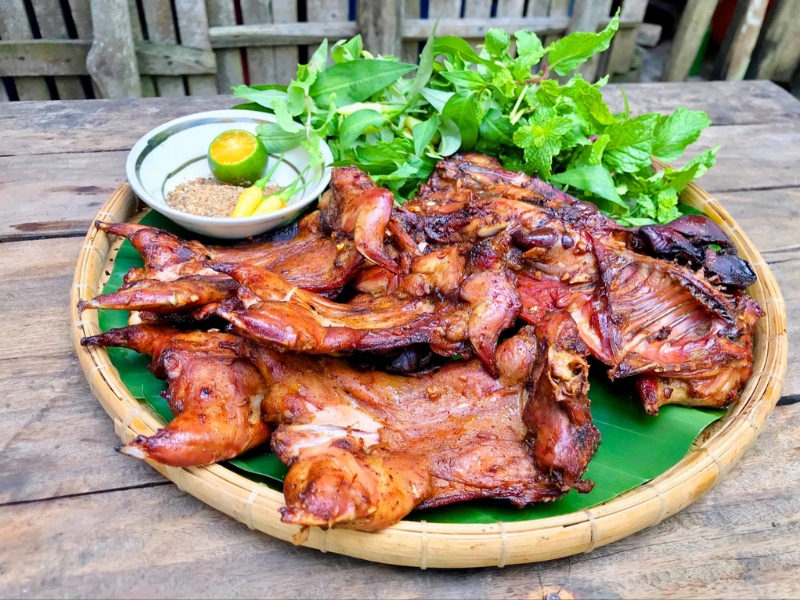
Although this dish may surprise the uninitiated, the rice field rat represents an accessible and nutritious source of protein, considered a true delicacy in many rural communities. This dish perfectly illustrates the diversity and creativity of Vietnamese cuisine, capable of enhancing local resources in an unexpected and delicious way.
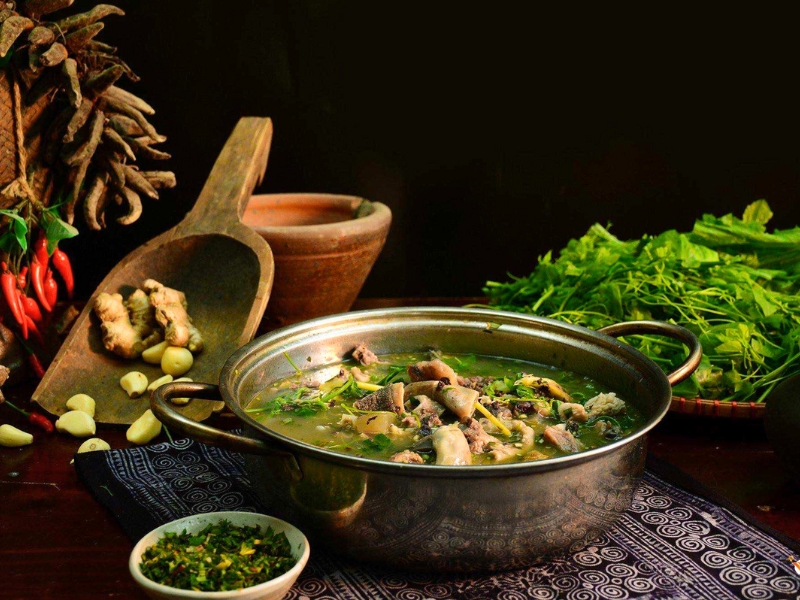
Thang cô (Horse offal soup)
Among Vietnam’s unusual dishes, Thắng Cố holds a particular place. This traditional soup from the mountainous regions of the north, appreciated by ethnic groups such as the H’Mong, is prepared from horse offal, to which horse, beef or buffalo meat can be added. Slowly simmered with local spices such as star anise, cinnamon, ginger and cardamom, these ingredients are enriched with unique flavors, completed by fresh herbs and vegetables. Served during festivals and local markets, Thắng Cố is more than just a nourishing dish: it embodies the essence of the culinary traditions of Vietnam’s mountainous regions and offers the boldest a genuine glimpse into Vietnamese cultural wealth.
Vietnam’s unusual dishes are a bit like a journey within a journey. You discover them at the corner of a market, in a small street shop or on the advice of a local. Some make you smile, others intrigue you, some may even push the boundaries of your curiosity a little. But each tells something: a story of tradition, of transmission, of an intimate bond with the land and local resources. What may seem strange at first glance often becomes, with a bit of open-mindedness, an unforgettable experience. Because in the end, these dishes are not there to impress, but to nourish – the body, certainly, but also the imagination. By tasting them, you gently enter into the intimacy of a country, discover another way of cooking, of thinking, of living. And if you don’t yet feel ready to try these bold specialties, that’s okay. Vietnam is also rich in simple, fragrant, comforting dishes, accessible to all palates. Steaming phở in the morning, crispy bánh mì at any time, fresh and delicate spring rolls… There’s something for everyone. The essential thing is to savor Vietnam in your own way. And let curiosity guide your steps – and your taste buds.