+84 9 75 46 33 10 (Whatsapp)
  info@horizon-vietnamtravel.com
  Français
  Español
  Português
  Deutsch

Traditional Vietnamese Medicine
Table of contents
Passed down from generation to generation, traditional Vietnamese medicine is much more than a simple collection of remedies: it is a philosophy of life founded on the balance between the body, spirit and nature. Inspired both by Chinese medicine and local popular knowledge, it prioritizes prevention, harmony and natural healing.
\r\n
In Vietnam, medicinal plants, massages, acupuncture and herbal decoctions are part of everyday life. In the countryside as in the cities, this ancient practice remains alive and continues to play an essential role in the health and well-being of Vietnamese people.
\r\n\r\n
Origins and Philosophy
\r\n
Traditional Vietnamese medicine is the fruit of a long legacy, born from the encounter between classical Chinese medicine and local popular knowledge. For more than two thousand years, Vietnamese people have observed nature, seasons, plants and the effects of diet on the body. This knowledge, transmitted orally from generation to generation, has shaped a medicine that is both scientific and profoundly human.
\r\n
Like Eastern thought, it is based on the principles of yin and yang — two complementary forces that must remain in balance to ensure health — and on the theory of the five elements (metal, wood, water, fire, earth). Each organ, each season, each food corresponds to one of these elements. When harmony breaks, illness appears.
\r\n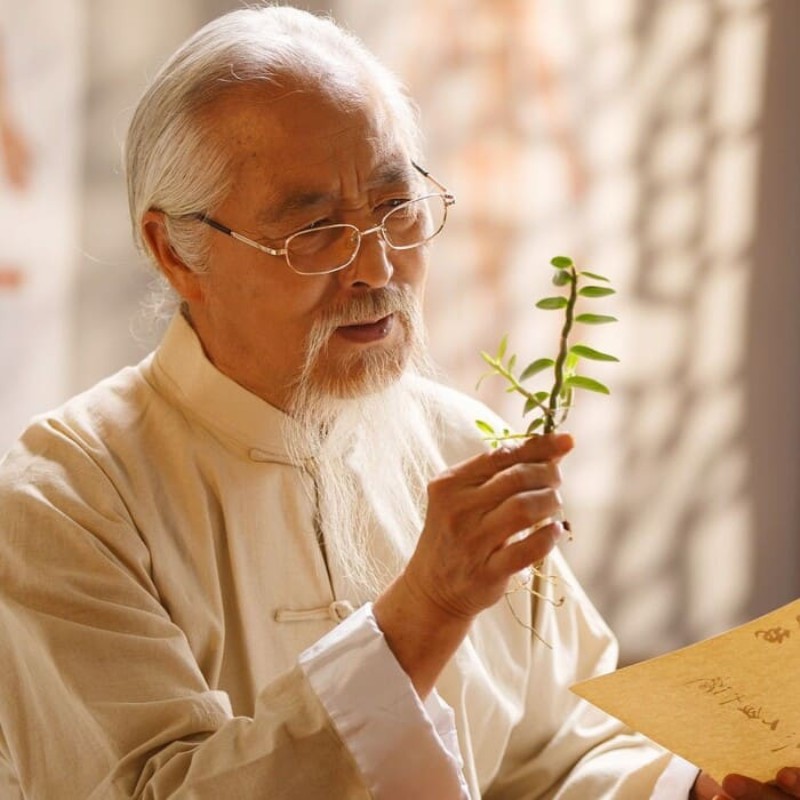 \r\n
\r\n
But traditional Vietnamese medicine is not limited to treatment: it places above all emphasis on prevention. Preserving inner balance through appropriate nutrition, regular sleep, calm breathing and a serene state of mind is considered the best of healings.
\r\n
This philosophy reflects the Vietnamese vision of health: living in harmony with nature, listening to your body and cultivating moderation. In Vietnamese culture, taking care of yourself means first and foremost learning to live in harmony with the world around you.
\r\n\r\n
Plants and Natural Remedies
\r\n
In Vietnam, nature is a true pharmacy. For centuries, Vietnamese people have used plants to treat daily ailments and strengthen their vitality. These remedies, simple but effective, are passed down from generation to generation and still form part of current life, as much in the countryside as in the city.
\r\n
Among the most emblematic medicinal plants are ginseng, a symbol of strength and longevity, turmeric with its healing virtues, ginger to stimulate digestion and combat cold, and lemongrass, renowned for its purifying and calming properties. These natural ingredients are found in both cooking and the family medicine cabinet.
\r\n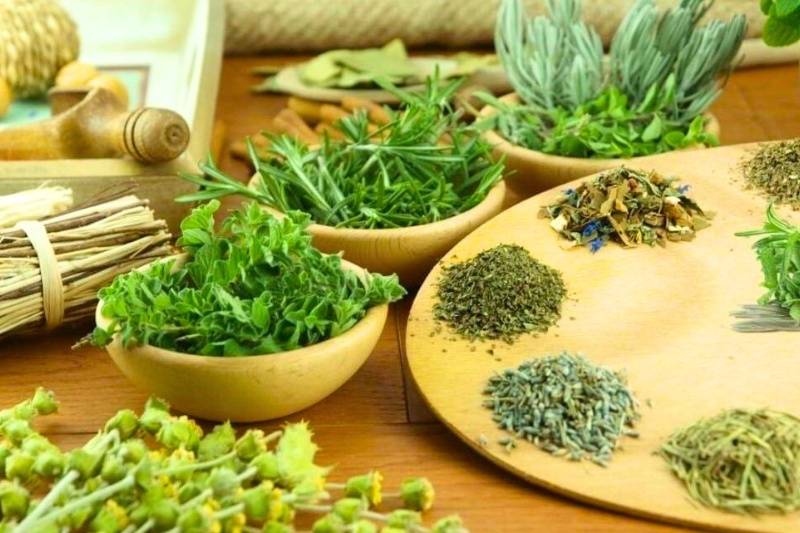 \r\n
\r\n
Traditional infusions and decoctions occupy an essential place: they serve to calm pain, open airways or purify the body after a hearty meal. Every family has its own recipes, jealously guarded, which are prepared according to the season or state of health.
\r\n
“Grandmother’s remedies” hold a precious place in Vietnamese culture: guava leaves to soothe stomach pain, lemongrass tisanes to lower fever, or peppermint oil to relieve headaches. These practices, grounded in observation and experience, remain deeply rooted in the everyday life of Vietnamese people.
\r\n
In medicinal herb markets, particularly in Hanoi or Ho Chi Minh City, you can still find stalls loaded with dried roots, bark, leaves and fragrant flowers. These lively places testify to a living heritage, where tradition mixes with science and where nature remains the first ally of Vietnamese health.
\r\n\r\n
Therapies and Healing Practices
\r\nIn Vietnam, healing is not just about taking medicine: it is above all about finding the balance between body and spirit. Traditional therapies combine gestures, heat, plants and vital energy, on the idea that every internal imbalance can be soothed with natural and harmonious means.\r\n
Traditional Vietnamese Massage
\r\n
In Vietnam, massage is much more than a moment of relaxation: it is a therapy of body and spirit, inherited from a long medical tradition. Inspired both by Chinese medicine and popular knowledge, Vietnamese massage helps vital energy (khí) circulate, soothes pain and strengthens vitality.
\r\n
Practiced with fingers, palms or sometimes elbows, it acts on acupuncture points and energy lines of the body. Each gesture has its function: kneading to relax, pressing to stimulate, stroking to calm. The goal is to find balance between yin and yang, guarantors of health and well-being.
\r\n\r\n\r\n
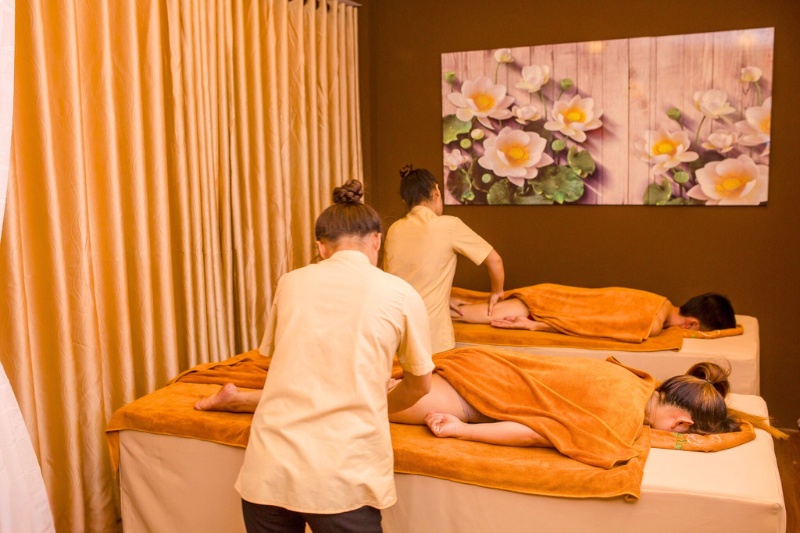
Traditional Vietnamese massage: a therapeutic practice that stimulates circulation and relaxes the body
Fragrant oils, often made from lemongrass, ginger, mint or camphor, strengthen the effects of massage. Their natural scents warm the body, awaken the senses and provide a pleasant sensation of lightness.
\r\n
Both curative and preventive, Vietnamese massage helps calm tension, reduce stress and improve sleep. In Vietnamese culture, it is often said that a relaxed body opens the way to a peaceful mind.
\r\n
Even today, this ancient practice is part of everyday life: from Hanoi salons to mountain hot springs, Vietnamese massage remains an art of living, a moment of harmony between health and nature.
\r\n\r\n
Acupuncture and Moxibustion
\r\n
In Vietnam, acupuncture and moxibustion hold an essential place in traditional medicine. These two techniques are based on the same principle: restoring the free circulation of vital energy (khí) in the body.
\r\n\r\n\r\n
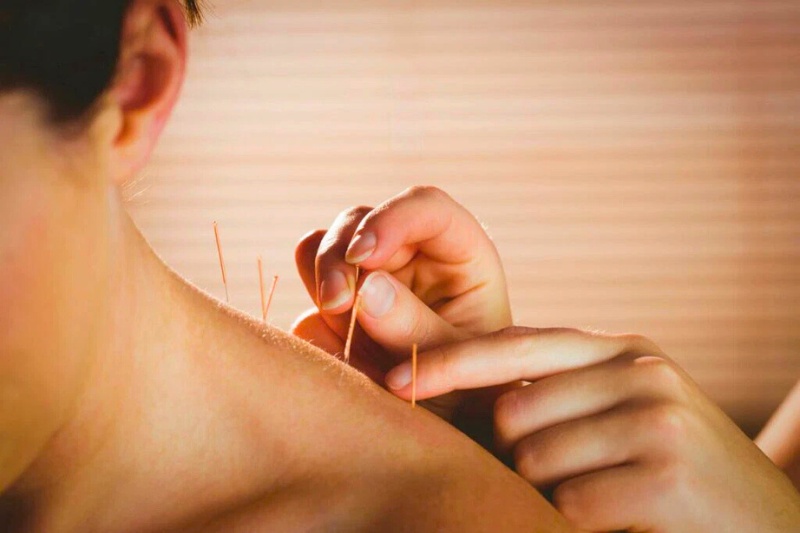
Under the lightness of the needles, the body opens, vital energy circulates and serenity sets in
Acupuncture consists of stimulating, with the help of fine needles, precise points located along the energy meridians. It helps calm pain, balance internal organs and strengthen natural defenses. Contrary to what one might imagine, the sensation is gentle and often relaxing.
\r\n
Moxibustion uses the heat from a stick of dried mugwort (ngai cuu in Vietnamese) applied near the skin. This gentle heat penetrates deeply, stimulates the circulation of khí and warms the body, particularly in cases of fatigue, rheumatism or digestive disorders.
\r\n\r\n\r\n
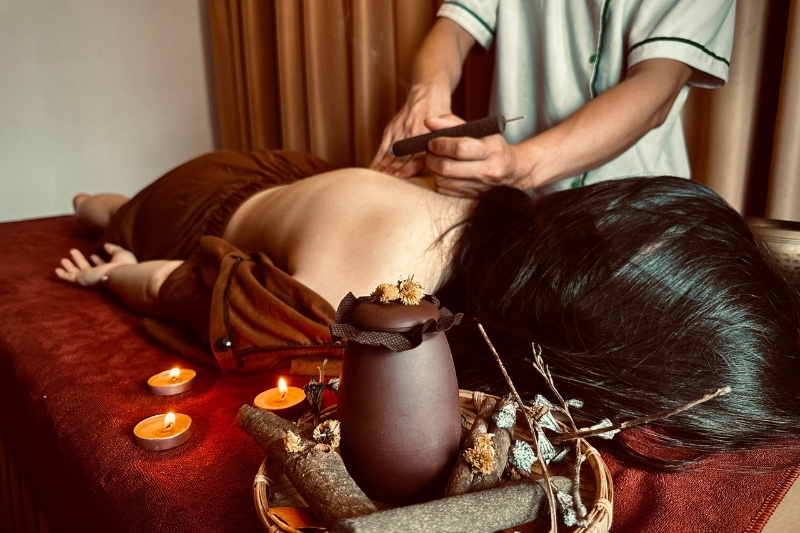
The flame of the mugwort brushes the skin, heat penetrates, energy circulates and serenity is reborn
Cupping and Herbal Poultices
\r\n
In Vietnam, cups and herbal poultices are among the most common traditional remedies. These simple methods use heat and pressure to stimulate circulation and help the body eliminate toxins.
\r\n\r\n\r\n
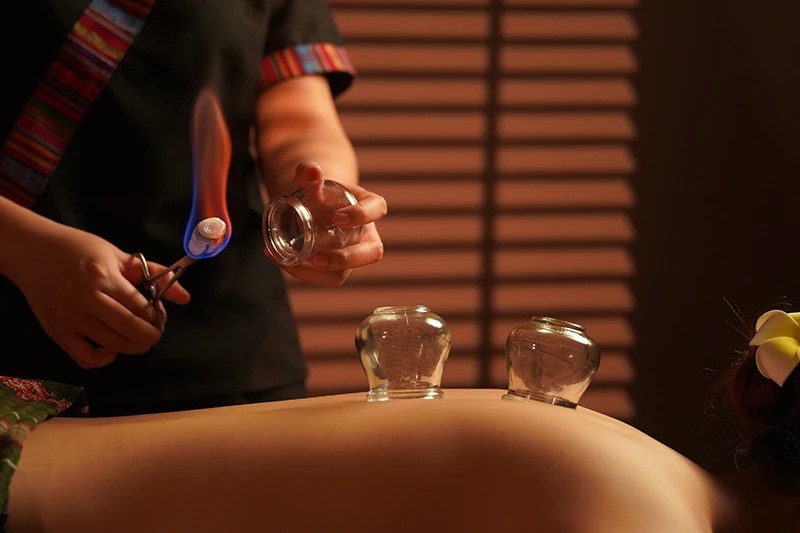
Treatment with cups, a natural method to rebalance the body and ease pain
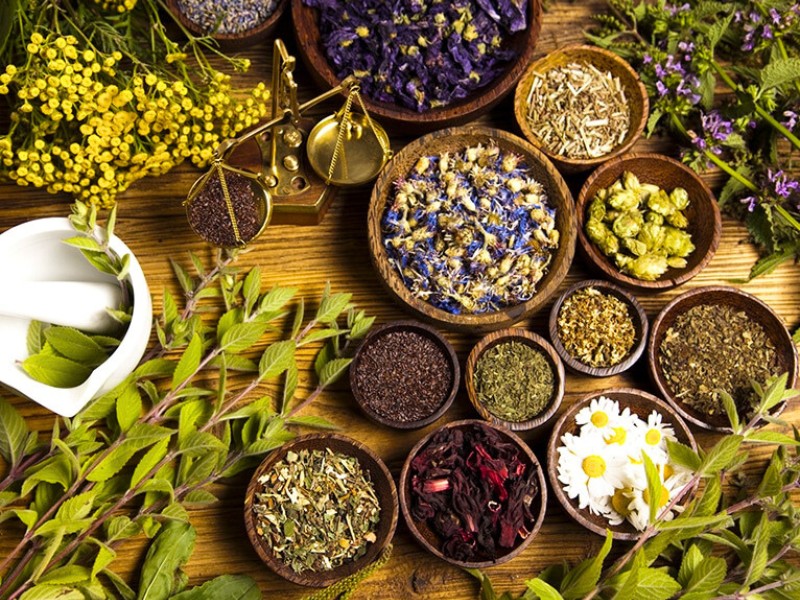
Herbal poultices: a traditional Vietnamese remedy to ease pain and activate circulation
Poultices, meanwhile, are prepared from crushed or heated plants, such as ginger, turmeric or camphor leaves,… Applied to the chest, back or joints, they soothe inflammation, promote relaxation and provide a pleasant sensation of warmth.
\r\n
Easy to prepare and deeply rooted in everyday life, these remedies illustrate the Vietnamese philosophy of care: using natural resources to restore body balance and prevent illness.
\r\n\r\n
Herbal Baths and Traditional Inhalations
\r\n
In Vietnam, herbal baths and inhalations are among the oldest healing practices. These natural remedies, made from local plants, are used to purify the body, relax the spirit and strengthen natural defenses.
\r\n
Herbal baths are often prepared with lemongrass leaves, eucalyptus, ginger or mint. Warm water, mixed with their scents, helps relax muscles, stimulate blood circulation and eliminate toxins. In mountain villages, some ethnic minorities still perpetuate the tradition of collective herbal baths, renowned for restoring strength and vitality after a long day’s work.
\r\n\r\n\r\n
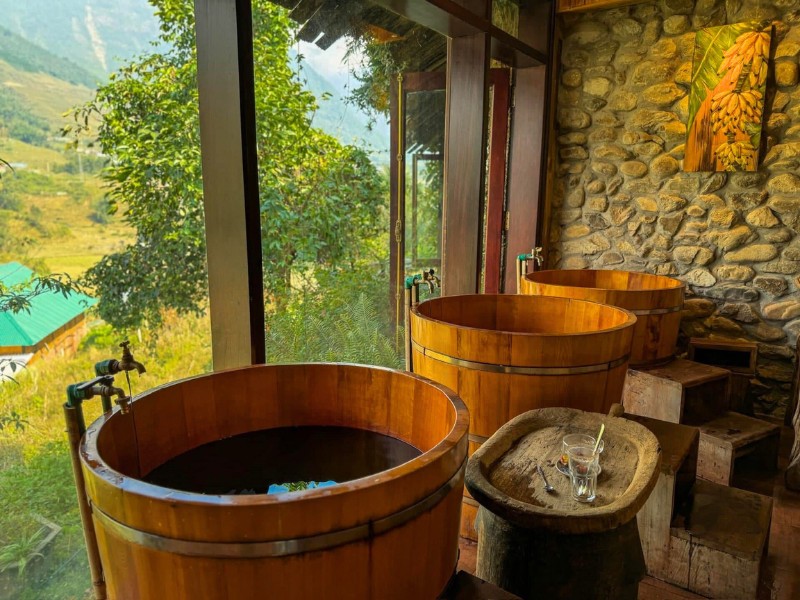
In the fragrant warmth of herbs, the body lightens, the mind eases and nature heals in silence
Steam inhalations are, meanwhile, a common remedy against colds or fatigue. You pour boiling water over a blend of aromatic herbs (lemongrass, mint, guava leaves) then breathe deeply the vapor, with your head covered by a towel. This simple ritual clears the airways and provides a pleasant sensation of lightness.
\r\n
These natural cures, still very much present in everyday life, illustrate Vietnamese folk wisdom: prevent illness by living in harmony with nature and its benefits.
\r\n
In Vietnam, traditional medicine is an integral part of everyday life. Present in every home, it expresses itself through simple gestures: a tea to soothe, a massage to relax, an herbal bath to purify the body after a long day. More than a collection of cures, it is a way of living in harmony with nature and preserving balance between body and spirit. Transmitted from generation to generation, this folk wisdom has adapted over time, never losing its soul. In a modern world often stirred up, it reminds us of the importance of slowing down, listening to your body and caring for yourself gently. Traditional Vietnamese medicine is not merely an inheritance from the past: it is a living philosophy, simple and profoundly human, that continues to inspire the daily life of an entire people.