Being far from your familiar country can be a frightening experience, especially if you are ill or in need of medical care. We hope this article provides you with essential knowledge about Vietnam’s healthcare system.
Currently, healthcare services in Vietnam vary enormously between urban and rural areas. We recommend that you research well if you plan a trip to Vietnam. By reading this article, you’ll already know a lot!
Overview of Vietnam’s Healthcare System
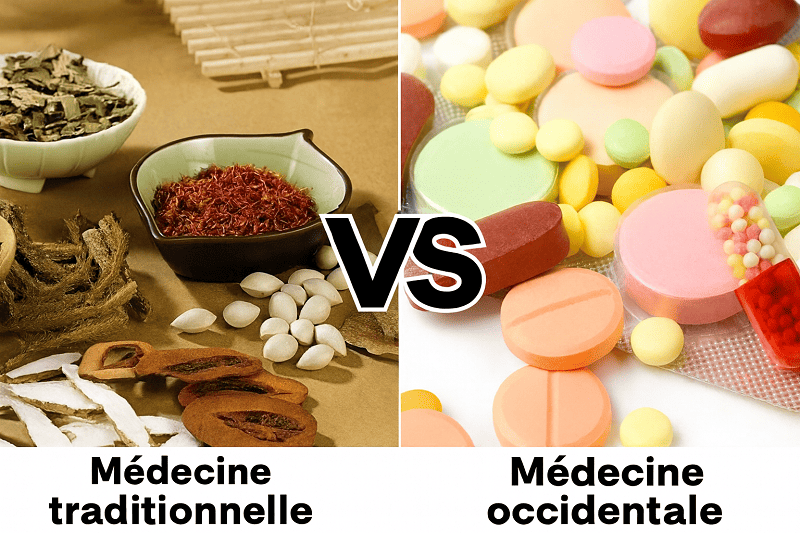
As a combination of Eastern and Western medicine, this combined healthcare system in Vietnam offers good disease prevention and treatment. The Vietnamese government aims to make the healthcare system universal and accessible, providing all citizens with basic medical care.
Today, Vietnam’s healthcare system is evolving, and it is a mixed public-private system.
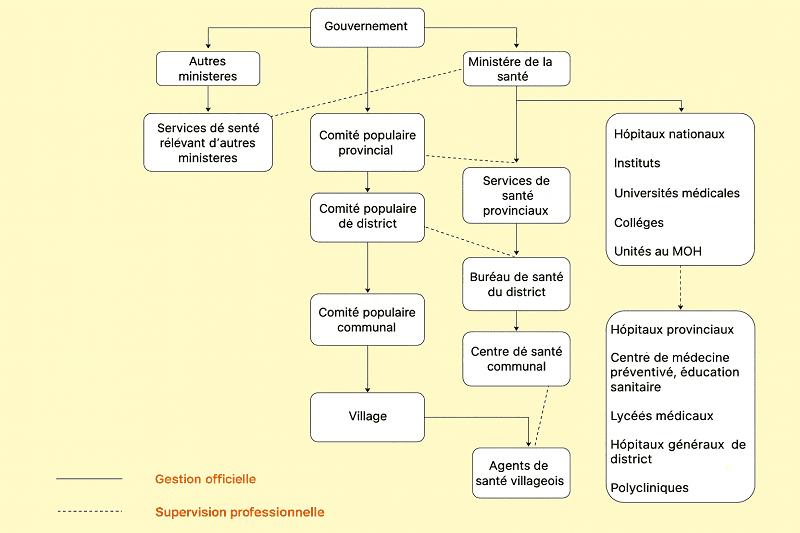
The public system is organized according to an administrative hierarchy, with the Ministry of Health at the top and provincial and municipal health authorities below. In fact, it comprises four administrative levels of healthcare facilities:
National level: The Ministry of Health is responsible for the healthcare sector for the government and manages various institutions, including hospitals, research institutes, and universities. Other ministries also manage their own hospital networks.
Provincial level: At this level there are various hospitals and medical centers. Additionally, there are also medical faculties that offer programs in medicine, nursing, and pharmacy.
District level: District health centers primarily provide medical and preventive services.
Commune level: Commune health stations focus on providing primary healthcare services at the commune level.
These four levels of the healthcare delivery system in Vietnam provide access to care for all.
Organizational chart of Vietnam’s healthcare system
Public Healthcare Services
Access to public hospitals is generally less expensive but often lower quality due to high demand. Access to public hospitals requires payment, unlike in France. Vietnam does not have a national health insurance card system.
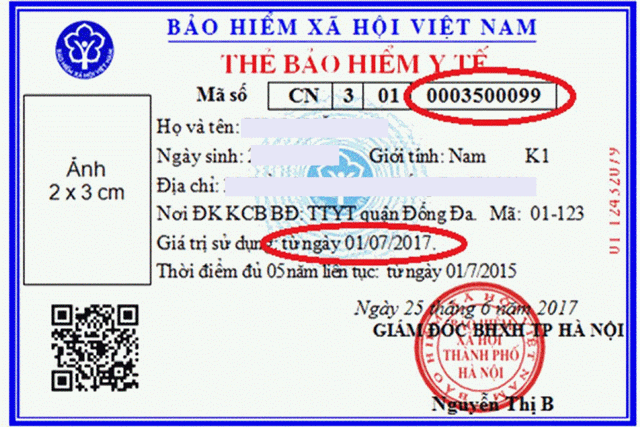
The Vietnamese government has established a system of social insurance and health insurance:
Health insurance: when an insured person participates in a medical visit, treatment, rehabilitation, periodic prenatal check, childbirth, they will be reimbursed or costs will be immediately deducted from hospitalization and hospital drug expenses.
Social insurance: when an employee loses or reduces their income due to illness, maternity, work-related injury and occupational disease, disability, unemployment, old age, death, etc. It is necessary that employees submit and transmit documents to the company so that it will complete the procedures and send them to the social insurance agency. Subsequently, workers receive a pension from social insurance.
Access to these two types of coverage is not automatic.
For health insurance, it is linked to the person’s professional or school activity. In general, the insured person or their parents must pay a small portion.
For employees with a contract at an organization for more than 3 months, the total cost of health insurance is 4.5% of their salary, of which 1.5% is paid by the employee and 3% by the employer.
For social insurance, the amount paid for an employee’s health insurance is also the amount they must pay for their mandatory social insurance.
Government Health Insurance in Vietnam
Health insurance in Vietnam provided by the government includes three types: health insurance, accident insurance, and a portion of social insurance. Social insurance is mandatory for certain people, both locals and foreigners, in accordance with Vietnamese insurance law.
Medical visit and treatment expenses are waived only for certain cases such as children under 6 years and disabled people who are unable to work and have no income. If you do not fall into this category, you will have to pay medical expenses, with or without insurance coverage.
Vietnamese people primarily use government insurance for surgeries and important treatments. The coverage process is lengthy and costs are very high, such as for orthopedic surgery and cancer treatments. For minor cases like health checkups, Vietnamese people often forgo insurance because the procedures are too complicated.
Procedures in Public Hospitals
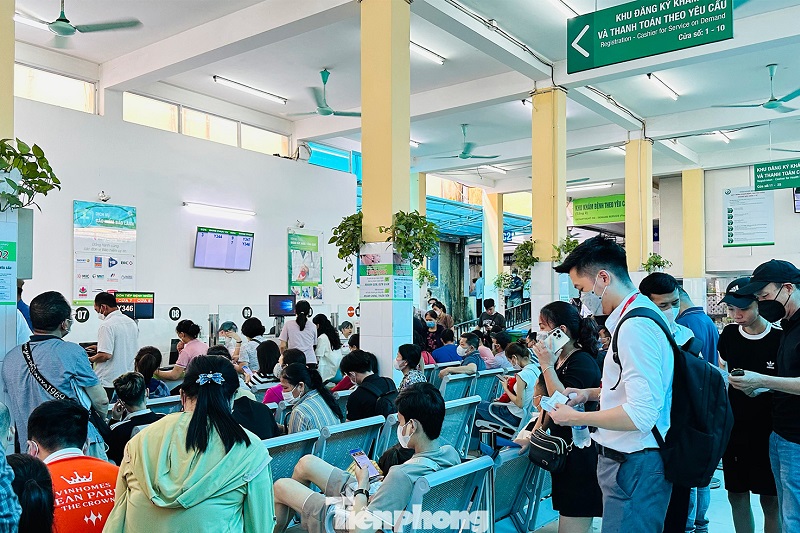
Before your checkup, you will need to provide your information and register at the hospital, pay the fees first, take a number, and wait your turn.
If you wish to use insurance, you must present it at the time of registration for a pre-payment check procedure. When you register at times outside office hours, the payment will not be covered by insurance. If you are hospitalized or need urgent surgery, you must always pay medical expenses before receiving treatment. You must go to the hospital you chose when you enrolled in insurance. When you go to hospitals different from the registered one, it is very likely that your insurance will be rejected, unless the registered hospital is specialized in treating your illness. In some cases, your insurance may be accepted when you have an appointment at hospitals of the same level (for example provincial and national).
The hospital, based on the care needed, will determine the costs. For each situation, depending on whether you have an insurance card and what type of insurance card you have, you will pay a certain amount.
If you have insurance types 1, 2, and 5, your insurance will cover 100% of medical expenses with different limitation levels for other costs such as medications and hospital transfer. Type 3 insurance will cover 95% and 100% in some cases, and type 4 will cover 80%. Additionally, not all types of illnesses or medical expenses will be paid by insurance. Examples of uncovered expenses are regular pregnancy checkups that do not involve treatment, prosthetics use, and vision problem treatment.
Public Healthcare Facilities
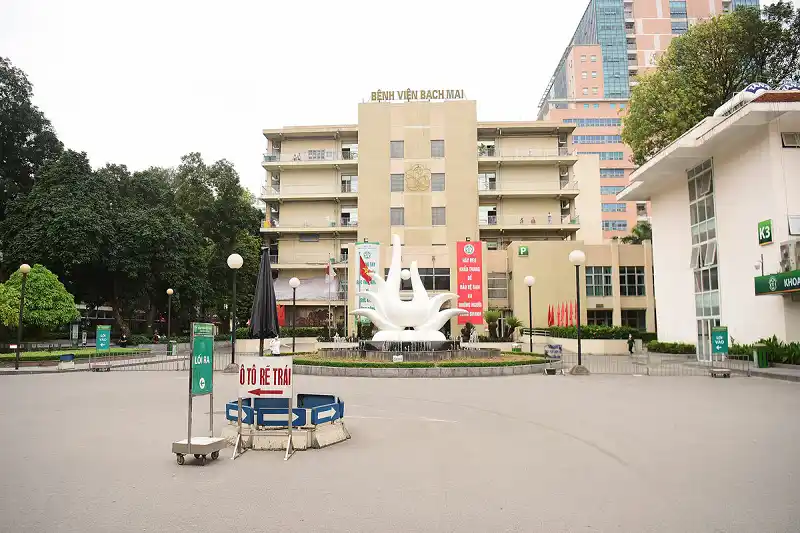
In fact, the standards of public hospitals in Vietnam do not meet the expectations of foreigners as in America or Europe. Public healthcare facilities in Vietnam are generally underfunded. Additionally, most staff, including nurses and doctors, normally speak only Vietnamese.
However, healthcare providers are experienced and qualified doctors. The large size of public hospitals means they have various medical services to treat a wide range of diseases. The quality and access to medical services, such as the number of doctors and advanced equipment for treatment in urban cities, is higher compared to rural areas. It is partly for this reason that many hospitals in large Vietnamese cities are full of people from numerous neighboring provinces seeking medical care.
Often rooms are insufficient for all patients and are generally overcrowded. For example, a public hospital in cosmopolitan cities like Hanoi and Ho Chi Minh City is always overloaded with bed capacity constantly exceeded.
Medicines and Pharmacies in Vietnam
Purchasing medicines without a prescription in Vietnam is simple, but visitors sometimes must beware of counterfeit or expired medications. Basic medicines, Western medicines, and Eastern medicines are all on sale throughout the country. Pharmacies are easy to find and well-stocked in major Vietnamese cities, particularly on shopping streets, in residential areas, and around hospitals.
In hospitals, there are also internal pharmacies where you can buy the prescribed medication after your checkup. Only some medications will be covered by insurance.
Emergency Services in Vietnam
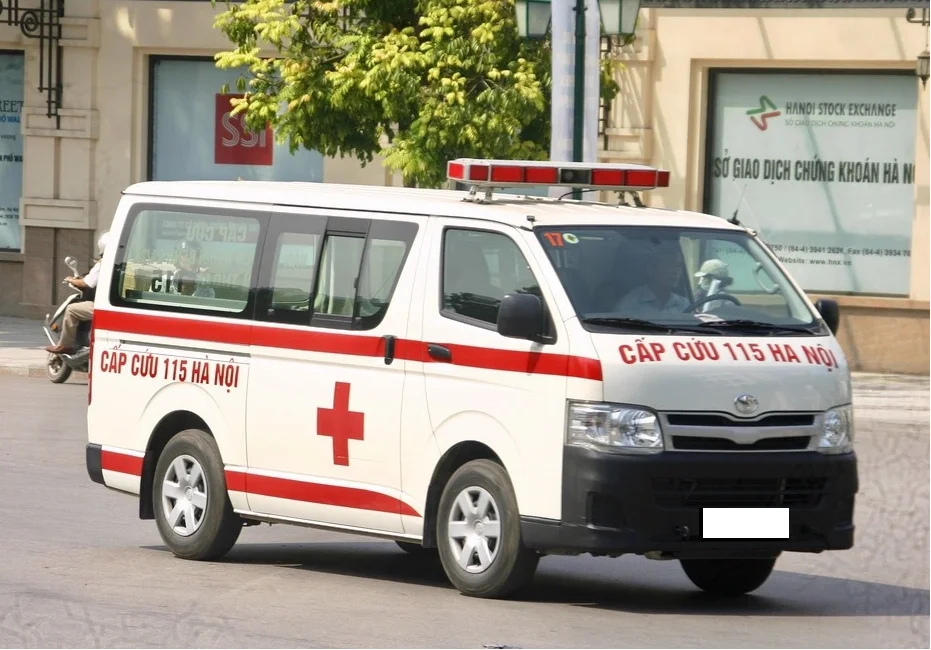
The emergency number in Vietnam is 115. However, traffic in Vietnam seems to be very complicated with severe road congestion, and ambulances in Vietnam sometimes do not arrive on time. A faster and more efficient private ambulance service can be provided by private hospitals. In some cases, using taxis to reach the nearest medical facility for emergency medical treatment is necessary.
Private Healthcare Services in Vietnam
Private healthcare services include private hospitals. These services are generally more expensive than public ones but more luxurious in customer service. There is no official figure on the number of people who purchase health insurance from private companies. However, the cost is at a fixed price and is generally higher than the government’s, so people who can afford it choose to use private services instead.
In general, private hospitals in Vietnam are better equipped in terms of rooms and high-level services. They are equipped with qualified doctors trained abroad. And international health insurance is accepted at private hospitals in Vietnam. Additionally, doctors and healthcare staff who work at private hospitals in Vietnam can often speak English, French, or other languages, which makes medical visits easier for foreigners in Vietnam.
Life Insurance
You can purchase life insurance. The principle is to pay a sum each month or year and after a certain period you get back a sum with interest. If an accident or illness occurs, life insurance covers hospital care expenses. If the person dies, a sum of money is given to their family.
Some common insurance company names in Vietnam are Prudential, Generali, Daichi-life, Bao Viet, and discounts offered by private hospitals (for example, French Hospital of Hanoi, Vinmec Hospital).
Healthcare Facilities
Hospitals and Clinics: Some well-known private hospitals in Vietnam are the French Hospital of Hanoi, Vinmec, the Franco-Vietnamese Hospital, Hanh Phuc Hospital, and Hoan My Hospital.
Private hospitals tend to welcome expats and tourists, so they accept international health insurance. However, the better the service, the more you will have to pay. Additionally, their size is often smaller compared to public hospitals, with fewer staff.
Private Clinics can be run by a private organization (such as Franco-Vietnamese clinics in Saigon), or by an individual doctor from the public sector (these clinics are therefore open only in the evening).
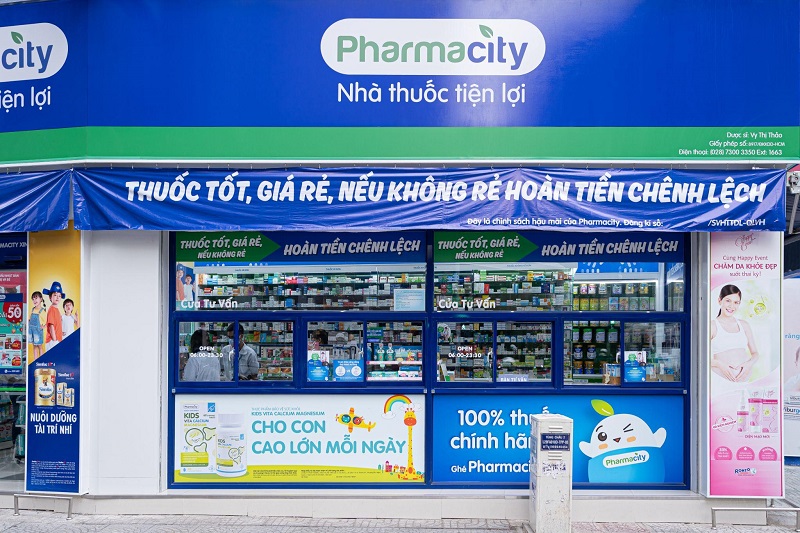
Pharmacies: Finding medicines (over-the-counter and by prescription) in major cities like Ho Chi Minh or Hanoi is not difficult, even for new travelers, because there are numerous easily identifiable pharmacies on main streets, in shopping centers, and in local markets. A Vietnamese pharmacy is recognized by the sign “Nhà thuốc (house of medicines)” on the facade. In case of late-night emergencies, there are also convenient pharmacy chains that stay open until midnight, such as Pharmacity and Vistar Pharmacy.
Always check the expiration date on the package before paying, as many dishonest pharmacies may sell you counterfeit or expired medications. To take further precautions, you can bring your medicines from your home country or purchase over-the-counter drugs at hospitals when you travel to Vietnam for a short period.
Emergency Services. Emergency medical intervention * 9999. This is a private service. The current coverage of this service is in Ho Chi Minh City (14 districts). You can call them 24 hours a day, 7 days a week, but there are different rates for subscribers in the area, out-of-area subscribers, and non-subscribers. The staff can speak English and Vietnamese.
Procedures in Private Hospitals
The checkup procedure is similar to the public sector. Insurance acceptance and coverage are based on the hospital’s policy, the hospital’s partnership with the insurance company, and the insurance policy. Some private hospitals also have membership programs, through which patients receive special offers or discounts. You will also need to present your insurance card to staff before making payment when registering your information at the hospital.
Government insurance can also be used at private hospitals if the hospitals have a contract with the social insurance service. If you need to pay a deposit before treatment in urgent cases, this depends on the hospital’s policy.
Health Risks in Vietnam
Water contamination is always a major challenge for Vietnam’s government. Although tap water is safe for brushing your teeth or showering, it is recommended that you never drink directly from the tap.
The chaotic pace of Vietnamese traffic can frighten any first-time visitor; follow these safety procedures carefully if you decide to use a means of transportation.
If you travel in rural areas where hygiene standards are not always guaranteed, infectious diseases such as hepatitis B, hepatitis C, and tetanus can pose a significant threat. Make sure you have completed all necessary vaccinations before your trip.
Minor problems such as sunburn, dehydration, and heat stroke should not be taken lightly due to the tropical climate, particularly during the humid summer.
You should also take these basic precautions to reduce risks and ensure your stay in Vietnam is as safe as possible.
Healthcare Services in Remote Areas
The quality and availability of healthcare services are limited in rural areas. The government has designed a series of new plans to develop the healthcare system in remote regions of the country. Clinics and local hospitals are currently opening in many districts, and volunteer doctors are also being recruited.
Traveling to Vietnam for Medical Procedures
Many Vietnamese people currently residing abroad, as well as foreigners, choose Vietnam as a destination for various medical procedures. Such as dental treatments, dermatology or infertility issues, etc., combined with a trip or visit to relatives, because of the significantly lower cost compared to the Western world.
Ask your Vietnamese friends or acquaintances for recommendations for a trusted doctor who usually treats local patients, as the price for doctors specializing in treating foreigners is much higher.
Conclusion on Healthcare Services in Vietnam
A trip to a foreign country can be a great life adventure. For this reason, it is extremely important to take precautions before departure to minimize avoidable risks and avoid unnecessary threats.
 +84 9 75 46 33 10 (Whatsapp)
  info@horizon-vietnamtravel.com
  Français
  Español
  Português
  Deutsch