+84 9 75 46 33 10 (Whatsapp)
  info@horizon-vietnamtravel.com
  Français
  Español
  Português
  Deutsch

Vietnam National Day
Table of contents
In the heart of Southeast Asia lies Vietnam, a country rich in history, culture, and tradition. Each year, on September 2, the entire country lights up with festivities and ceremonies to celebrate its National Day, also known as “Ngày Quốc khánh”. This day holds profound significance, commemorating the bold struggle for independence and sovereignty of Vietnam. Far from being a mere celebration, Vietnam’s National Day embodies the indomitable spirit of an entire people, reflecting its heroic past while looking toward a promising future. In this article, we immerse ourselves in the fascinating history of the Vietnamese National Day, exploring its origins, cultural significance, and its current impact on Vietnamese society.
Origins of Vietnam’s National Day
Vietnam’s troubled history has been marked by ceaseless struggles for independence and national sovereignty. The origins of Vietnam’s National Day date back to the early twentieth century, a time when the country was under colonial domination. Here is how this emblematic celebration came into being:
Under Colonial Rule:
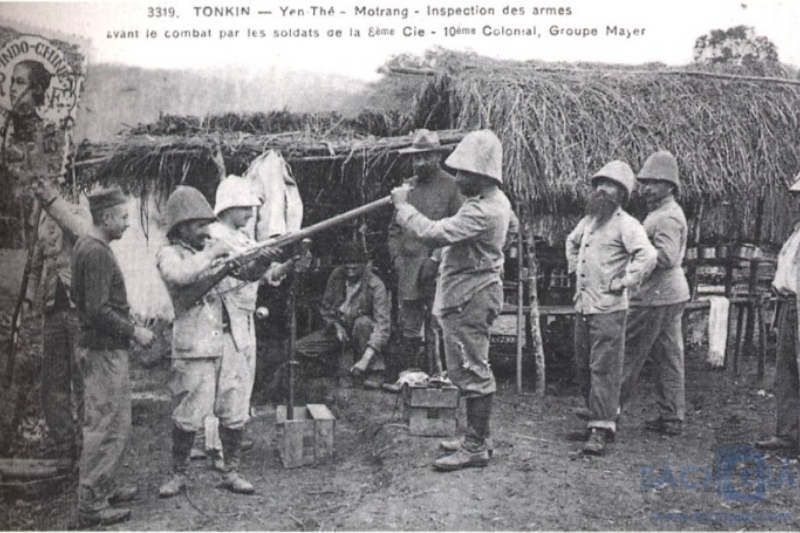
For nearly a century, Vietnam was under French control, forming part of French Indochina. The aspiration for freedom and self-determination was deeply rooted in the spirit of the Vietnamese people, despite the challenges posed by foreign domination.
Emergence of the Independence Movement:
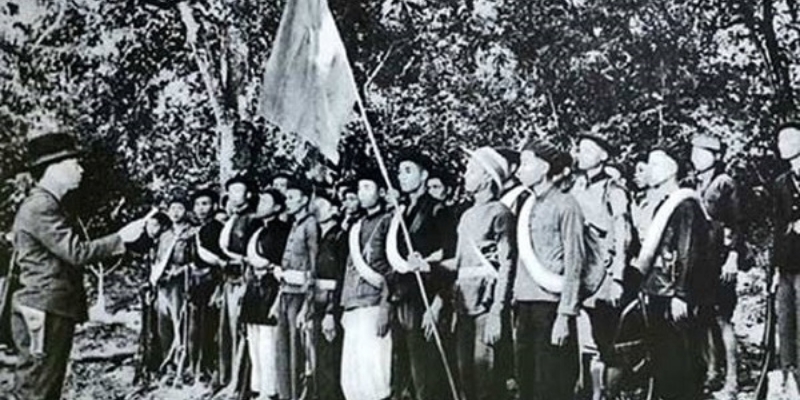
Over the years, a Vietnamese nationalist movement developed, led by figures such as Ho Chi Minh. These charismatic leaders worked tirelessly for their country’s independence, inspiring a sense of unity and determination within the population.
Declaration of Independence:
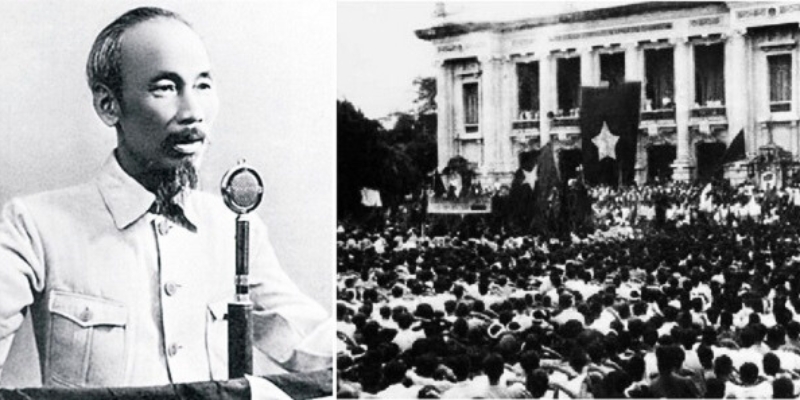
On September 2, 1945, Ho Chi Minh proclaimed the independence of the Democratic Republic of Vietnam, marking a pivotal turning point in the country’s history. This historic date was the starting point of the struggle to consolidate independence, a struggle that would last for years.
An Ever-Evolving Celebration:
Since then, September 2 became a sacred day for the Vietnamese people. National Day has evolved over the years, reflecting the various chapters of Vietnam’s history of Vietnam, from the war of independence against France to the Vietnam War against the United States and the period of reconstruction and modernization that followed.
Significance of National Day for Vietnamese People
Symbol of Unity and Resilience:
Vietnam’s National Day, far more than a simple commemorative date, is a living symbol of the soul and determination of the Vietnamese people. For Vietnamese, this day is imbued with profound significance that transcends the boundaries of time and constantly reminds us of the essential values of their nation: Independence, Freedom, Happiness. Here is how this celebration holds entirely special importance for the country’s inhabitants:
Unity and Cohesion:
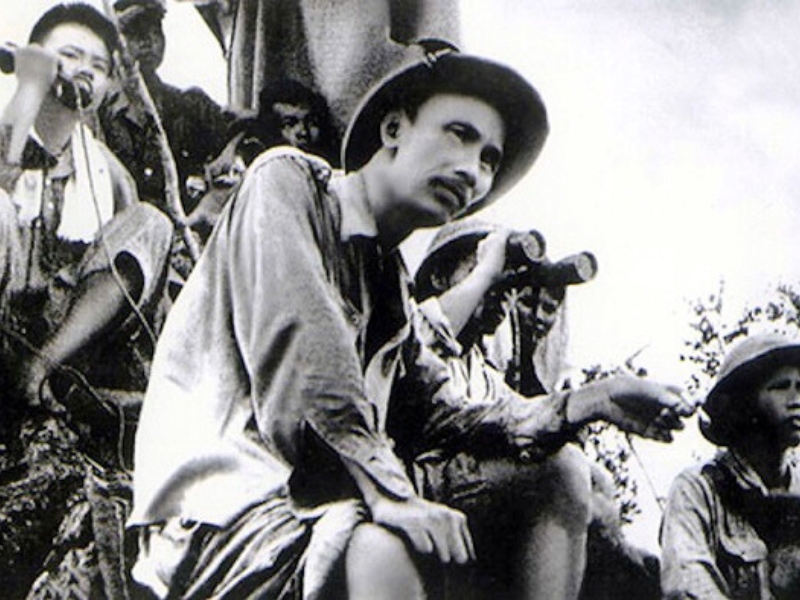
National Day is a time when Vietnamese people come together to celebrate their identity and history. It is the powerful call for national unity, which brings generations together around a shared history of struggle and resilience. Festivities organized throughout the country, from major cities to the most remote villages, strengthen the sense of community and national pride.
Tribute to Ancestors:
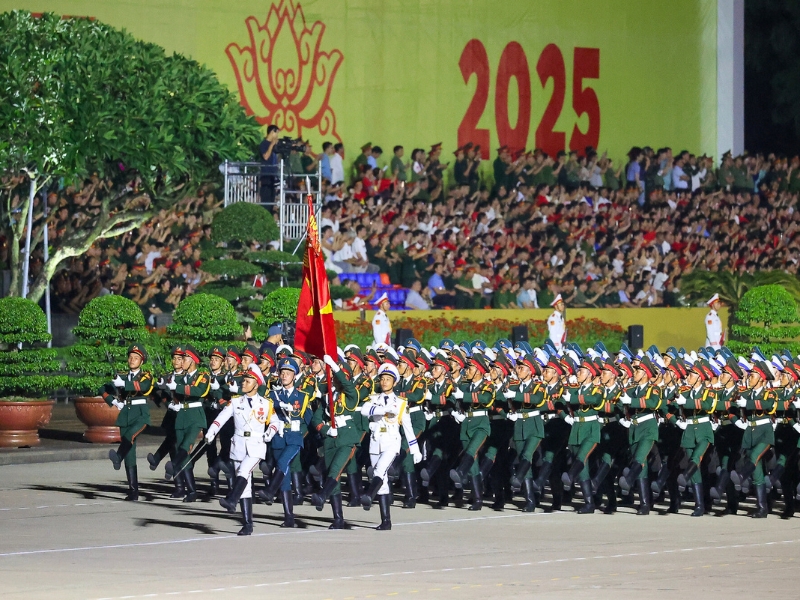
Grand military and popular parade for the 80th anniversary of the August Revolution and National Day 2025
For Vietnamese people, National Day is also an opportunity to pay tribute to national heroes and ancestors who fought for the country’s independence. Emblematic figures like Ho Chi Minh and revolutionary fighters are venerated for their crucial role in the pursuit of sovereignty. Rituals and ceremonies organized on this day remind us of the debt of gratitude toward those who sacrificed their lives for Vietnam’s freedom.
A Forward-Looking Vision:
Vietnam’s National Day does not merely look back; it also directs eyes toward the future. It urges Vietnamese to project themselves into a prosperous and modern nation, while maintaining a deep respect for their history. The day is marked by parades, inspiring speeches, and cultural events that highlight the country’s achievements and aspirations for a better future.
Strengthening of Cultural Identity:
National Day plays a crucial role in strengthening Vietnamese cultural identity. The traditions, traditional customs, and special culinary dishes associated with this day contribute to preserving and transmitting the country’s customs and values to future generations.
In summary, Vietnam’s National Day transcends the mere framework of a celebration day to become a true pillar of national identity. Embodying the fighting spirit, resilience, and hope of the Vietnamese people, it also reminds us of the importance of preserving and celebrating the history that has shaped the country as it is today.
Rituals and Traditions of Vietnam’s National Day
Vietnam’s National Day, marked by a rich history of struggles for independence, is celebrated with a series of rituals and traditions that reflect both the country’s cultural heritage and the dynamics of modern society. Here is an overview of the rituals and customs that punctuate this memorable day:
Solemn Parades:
Parades are an indispensable element of National Day. Throughout the country, colorful processions march through the streets, highlighting national flags, portraits of revolutionary heroes, and symbols of independence. These parades stir a sense of unity and national pride, while reminding us of Vietnam’s historical legacy.
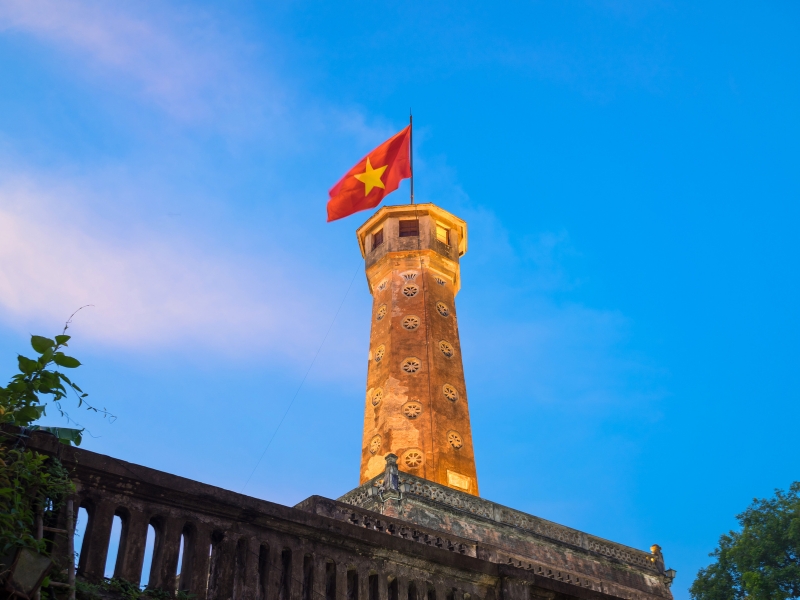
Flag Tower of Hanoi
Patriotic Speeches:
Speeches delivered during National Day play an essential role in emphasizing the country’s achievements and future challenges. Political leaders and influential figures address the nation, evoking past successes, future goals, and the importance of unity in ensuring the country’s continued development.
Commemoration Ceremonies:
Commemoration ceremonies hold a prominent place on this day. Wreaths of flowers are laid at monuments and statues of national heroes, and moments of remembrance are observed to honor their sacrifice and contribution to the struggle for independence.
Cultural Events:
Beyond the solemn aspects, National Day is also marked by cultural festivities. Musical performances, traditional dances, artistic exhibitions, and sporting competitions are organized to celebrate the country’s cultural richness and bring communities together.
Fireworks:
Primarily in major cities, the night of September 2 is often illuminated by spectacular fireworks displays. These bursts of colorful light symbolize the joy and hope that accompany the celebration of independence, offering a free visual spectacle to citizens and visitors.
Traditional Dishes:
National Day is also an opportunity to taste traditional Vietnamese dishes special to the occasion. Culinary specialties are enjoyed with family or friends, strengthening social bonds and conviviality.
The Vietnamese Flag
A Symbol of Unity and Heritage
Among Vietnam’s most emblematic symbols is its national flag, which displays a brilliant gold star against a vibrant red background. This flag is far more than a simple visual emblem; it embodies the spirit of the nation and reflects the ideals that have guided the Vietnamese people throughout its history.
The red background of the flag is often interpreted as a tribute to the blood shed by previous generations during struggles for independence. It also recalls the strength and determination of the people to defend their identity and sovereignty.
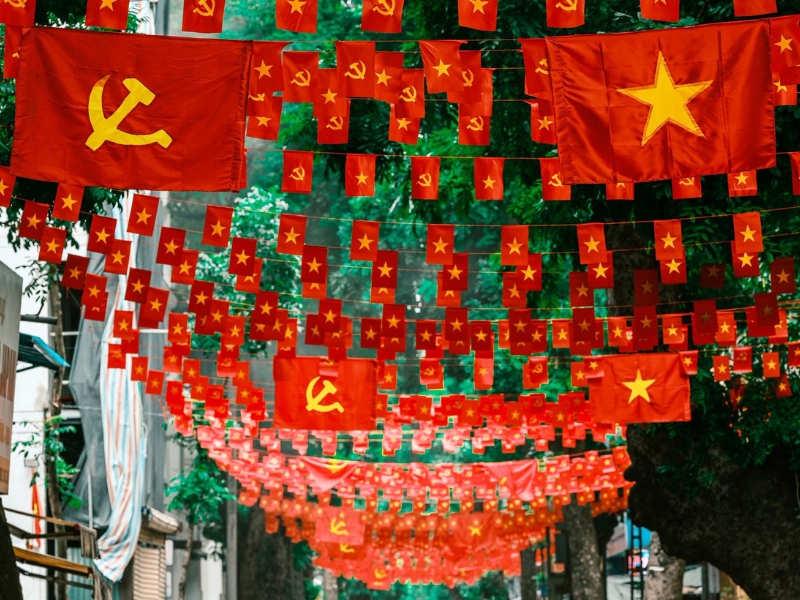
The five-pointed gold star adorning the flag is a powerful symbol of unity. Each of the five points represents the five social groups that united in the struggle for independence: workers, peasants, intellectuals, soldiers, and youth. This radiant star is a constant reminder that Vietnam draws its strength from the diversity and union of its people. During celebrations of National Day and other important events, the Vietnamese flag waves with pride throughout the country, symbolizing the unwavering commitment toward the homeland and the journey taken to achieve independence.
In summary, the Vietnamese flag transcends colors and shapes to become a living symbol of the history, resilience, and pride of the Vietnamese people. Each time it waves in the wind, it reminds Vietnamese of their heritage, their unity, and their continued pursuit of a better future.