+84 9 75 46 33 10 (Whatsapp)
  info@horizon-vietnamtravel.com
  Français
  Español
  Português
  Deutsch

Vietnamese Coffee – Authentic Flavor of Life
Table of contents
In Vietnam, coffee is not just a beverage — it is a true social and cultural institution. Whether enjoyed in a bustling café in Hanoi, on a sunny terrace in Saigon, or in the heart of the lush plantations of the Central Highlands, it embodies the spirit of the country: simple, authentic, and full of character. As the world’s second-largest coffee exporter, Vietnam has forged a unique identity in the coffee world, thanks to its fertile volcanic soil and knowledge passed down from generation to generation.
Its emblematic recipes such as Ca Phe Sua Da (iced coffee with condensed milk) or egg coffee intrigue, seduce, and testify to a uniquely Vietnamese creativity. In this article, Horizon Vietnam Travel invites you to immerse yourself in the fascinating world of Vietnamese coffee — through its history, its flavors, and its essential role in daily life.
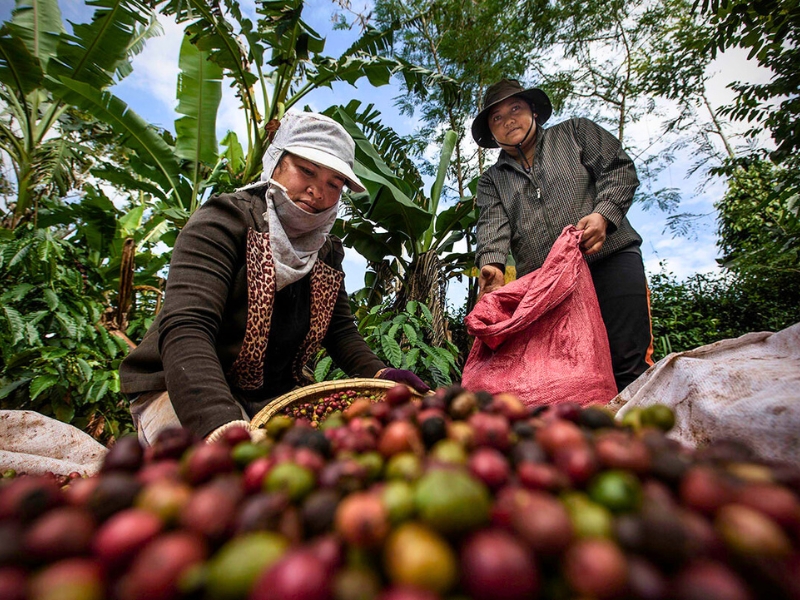
Vietnam, the world’s second-largest coffee exporter, makes this crop a true national emblem.
History and Origins of Coffee in Vietnam
The history of coffee in Vietnam began in 1857, when French missionaries first introduced Arabica plants (Coffea arabica) to the northern part of the country. The first experiments took place in the gardens of Catholic churches in the provinces of Ninh Binh, Thanh Hoa, Nghe An, and Ha Tinh, before spreading to the Center (particularly Quang Tri and Quang Binh). These early cultivations remained limited and were primarily destined for local consumption.
Starting from 1908, French colonists introduced two new varieties: Robusta (Coffea canephora) and Excelsa (Coffea excelsa) – sometimes called Liberica (Coffea liberica). These varieties, more resistant to disease and better adapted to the hot and humid tropical climate, found particularly favorable conditions in the Central Highlands (Tay Nguyen). This is how the first commercial plantations were born in Buon Me Thuot, today considered the capital of Vietnamese coffee.
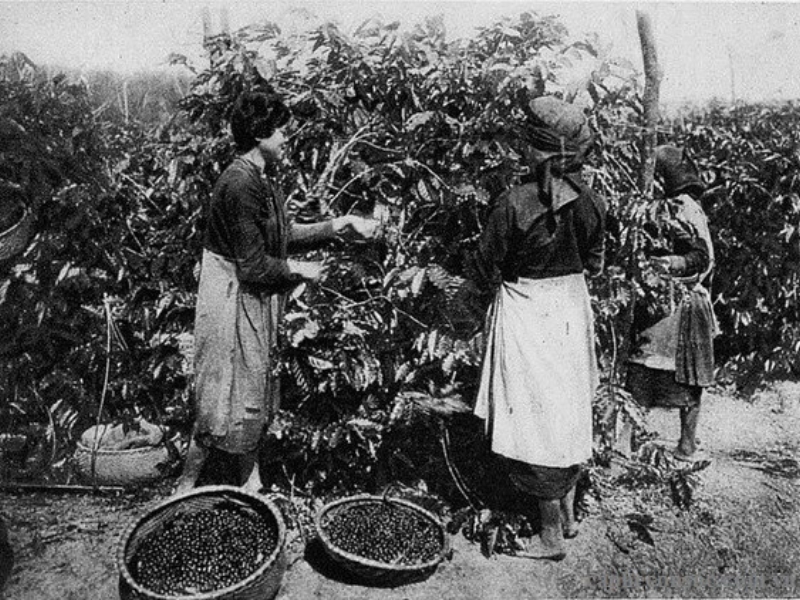
During the colonial period, coffee became an important export crop for French Indochina, although production remained modest until the 1950s. After independence, the activity slowed before picking up strongly from the economic reforms of the Đổi Mới (1986) onwards. The Vietnamese State then encouraged privatization and family farming, transforming coffee into a pillar of the agricultural economy.
Thanks to fertile basaltic soil, a favorable climate, and local expertise, production experienced spectacular growth: from a few thousand tons in the 1970s to over 30 million bags exported today. Vietnam thus became the world’s second-largest coffee exporter, right after Brazil, and the world’s leading producer of Robusta, which accounts for approximately 95% of national production.
Today, Vietnamese coffee is not just an agricultural crop, but also a national pride and a cultural symbol. Cities like Buon Me Thuot, Pleiku, or Da Lat continue to value this heritage, while emblematic recipes such as Ca phe sua da (iced coffee with condensed milk) or Ca phe trung (egg coffee) perpetuate the Vietnamese art of living around a simple cup of coffee.
Production Process of Vietnamese Coffee
Vietnamese coffee is recognized worldwide for its aromatic richness and depth on the palate. Behind every cup, however, lies a long transformation process that combines agricultural knowledge, drying techniques, and the art of roasting. Let’s discover together the main methods of coffee processing and the essential stages of its production, from the red fruit to the fragrant cup.
Main Methods of Coffee Processing
Dry Treatment (Natural or Unwashed Method)
Dry treatment, also called the natural or unwashed method, is the oldest technique for transforming coffee and remains widely used in Vietnam, particularly on the Central Highlands where the hot and dry climate favors natural drying. This method consists of drying entire coffee cherries in the sun for 25–30 days, without first removing the pulp. The fruits are spread over large cemented surfaces or raised drying beds, then turned regularly to ensure uniform dehydration and prevent any fermentation. Once the cherries are perfectly dry, they are mechanically hulled, cleaned, sorted, and stored in jute sacks protected from moisture before roasting.
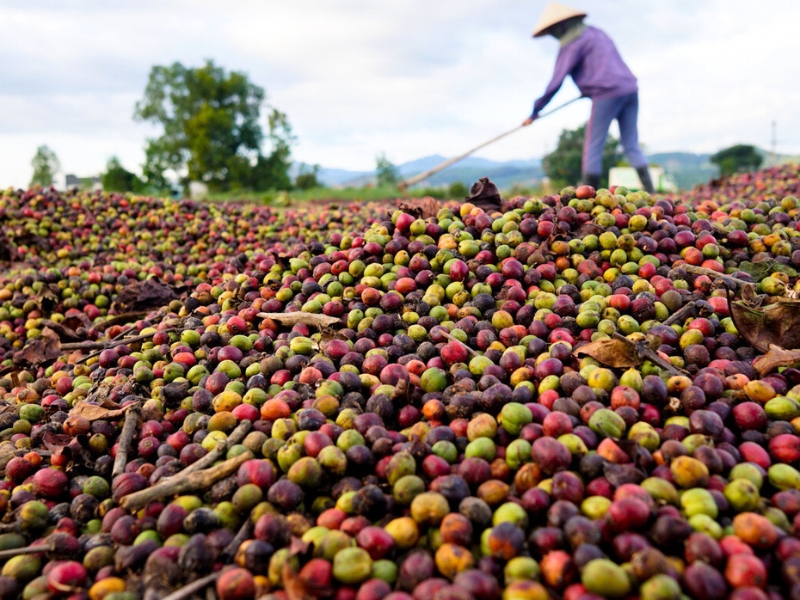
The weakness of this method lies in the uneven quality of the beans, often affected by climatic conditions and drying duration.
Coffee obtained with this method has a dense body, low acidity, and naturally sweet and fruity aromas, with typical notes of chocolate, honey, or ripe fruit. Ecological and economical since it requires no water, this method is nonetheless highly dependent on climatic conditions and requires great rigor in drying to ensure uniform quality.
Semi-Humid Treatment (Honey or Semi-Washed Method)
Semi-humid treatment, also called the Honey method, combines the principles of dry treatment and washed treatment. After hulling, part of the sticky sugary layer (mucilage) remains on the bean before drying. This natural coating gives the coffee a delicious sweetness, moderate acidity, and fruity notes that recall honey and flowers. The beans are then dried in the sun for 10–20 days, turned regularly to prevent fermentation, then cleaned and sorted before storage.
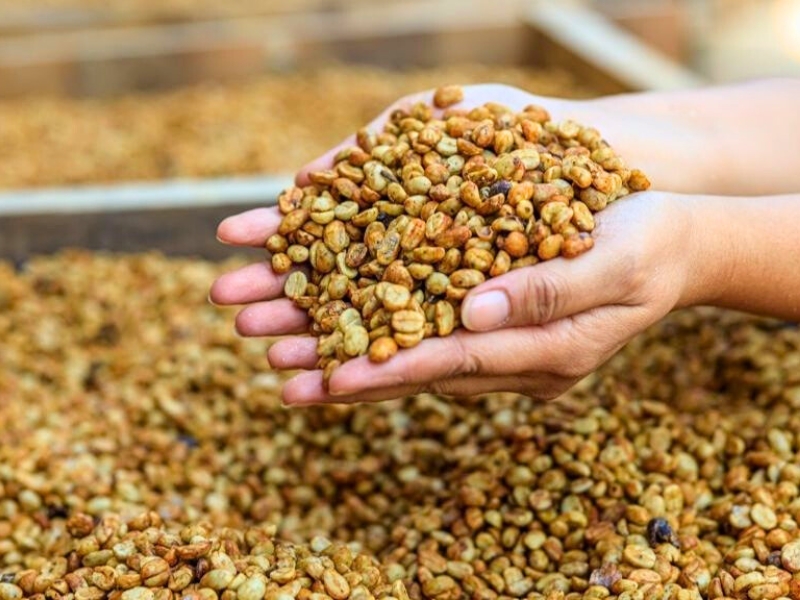
The quality of coffee with this method depends on the sun and the expertise of the producer
The result is a balanced, velvety, and aromatic coffee, highly appreciated by lovers of specialty Vietnamese coffee, particularly in the Arabica regions of Lam Dong. More ecological than the washed method, the Honey method nonetheless requires great mastery of drying to preserve the purity of the aromas.
Wet Treatment (Washed or Full-Washed Method)
Wet treatment, also called the washed method, is the most technical and demanding of the coffee transformation methods. Used primarily for high-quality Arabica coffees, it requires specific equipment and a large quantity of water. The cherries are first hulled to remove the husk and pulp, then the beans are fermented in large tanks to eliminate any trace of mucilage. This fermentation, whether natural or enzymatic, strengthens the aromas and refines the coffee’s acidity.
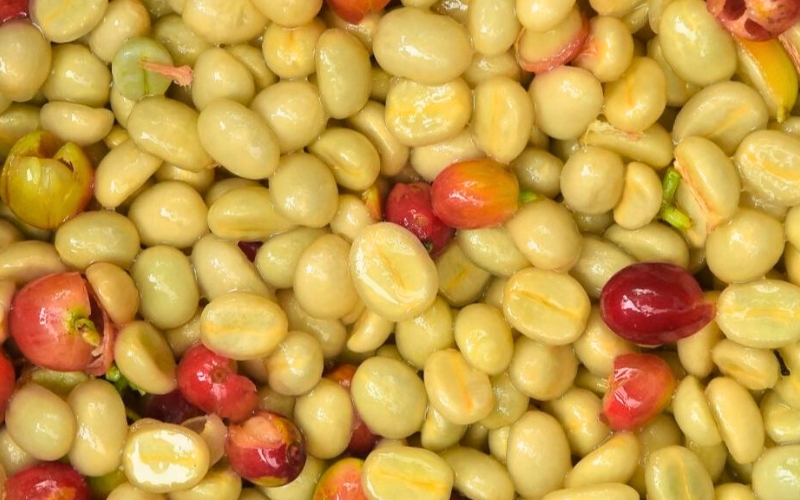
This method produces a fine, uniform coffee that is highly sought after on the market
The beans are then carefully rinsed and subsequently dried in the sun or in mechanical dryers until reaching a moisture level of approximately 12.5%.
The result is a coffee of great purity, with clear aromatic notes, bright acidity, and consistent quality. More expensive and longer, this method nonetheless gives Vietnamese coffees a high-end profile that is highly sought after on the international market.
Vietnamese Coffee Production Process
Coffee Harvesting
Harvesting is the first essential phase of the coffee production process. The quality of the beans depends directly on the timing and method of harvest.
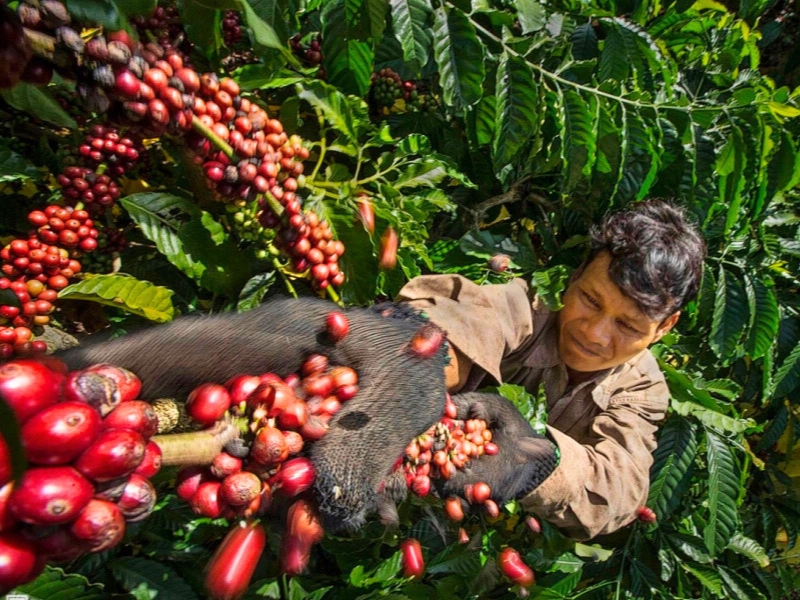
Vietnamese farmers hand-harvest ripe coffee cherries, a symbol of ancestral expertise.
In Vietnam, producers often favor hand harvesting to select only perfectly ripe cherries, ensuring better uniformity of the final product. This traditional method requires more labor but ensures superior quality.
In some industrial operations, mechanical harvesting is used to save time, but it can include still-green fruit, making the quality of the beans less uniform.
Cleaning and Preparation
After harvesting, the cherries are thoroughly washed and cleaned to remove impurities such as soil, leaves, or small branches. This preliminary selection is crucial, as it protects the processing machinery and directly impacts the quality of the final coffee.
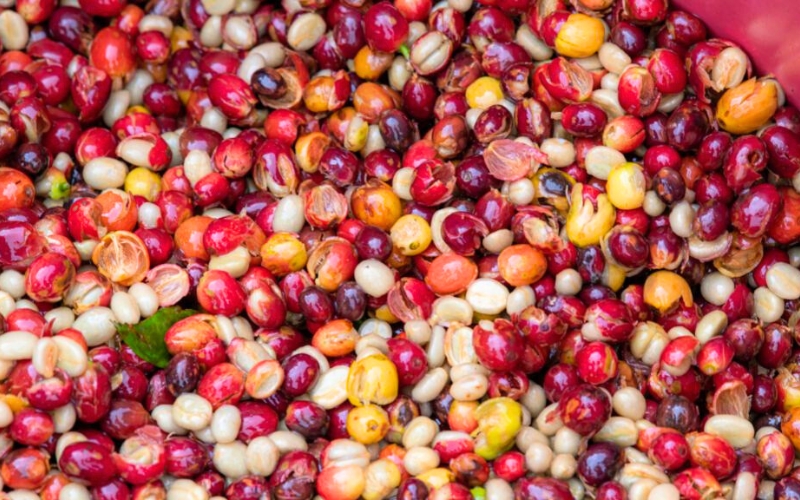
The fruits are then immersed in water to soften the pulp, then separated according to their density: ripe beans sink while defective ones float. After this stage, the coffee is partially dried in the sun for two or three days before being sorted by bean size and density (screen 14–16).
Blending (Variety Mixing)
To create coffees with varied aromatic profiles, producers combine different varieties, particularly Robusta and Arabica.
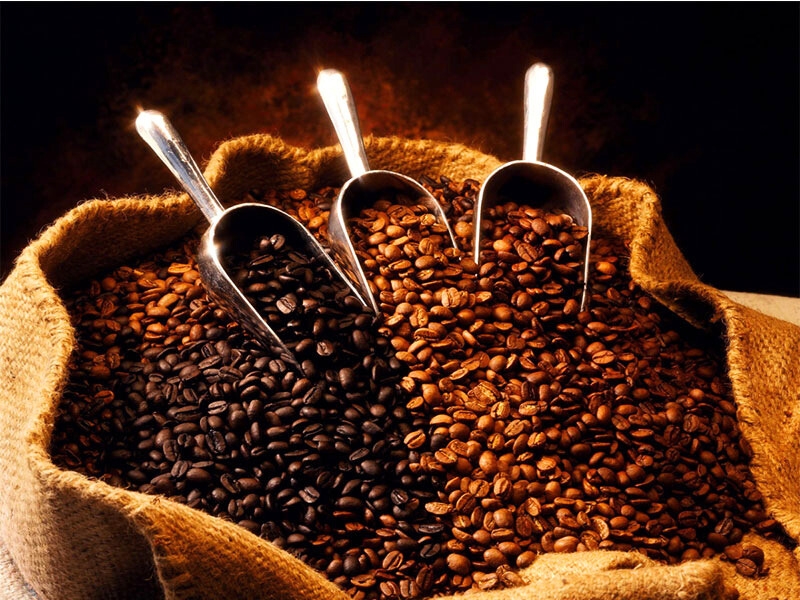
The key stage where different coffee varieties are married
Depending on the desired flavors, proportions vary: 50/50, 30/70, or 20/80. This blending phase makes it possible to obtain balanced flavors, between the strength of Robusta and the aromatic finesse of Arabica, reflecting the diversity of Vietnamese coffee.
Roasting
Roasting is the most decisive phase of the process, as it transforms green beans into fragrant brown beans. Under the effect of heat (from 100 to 225°C), the beans go through several phases:
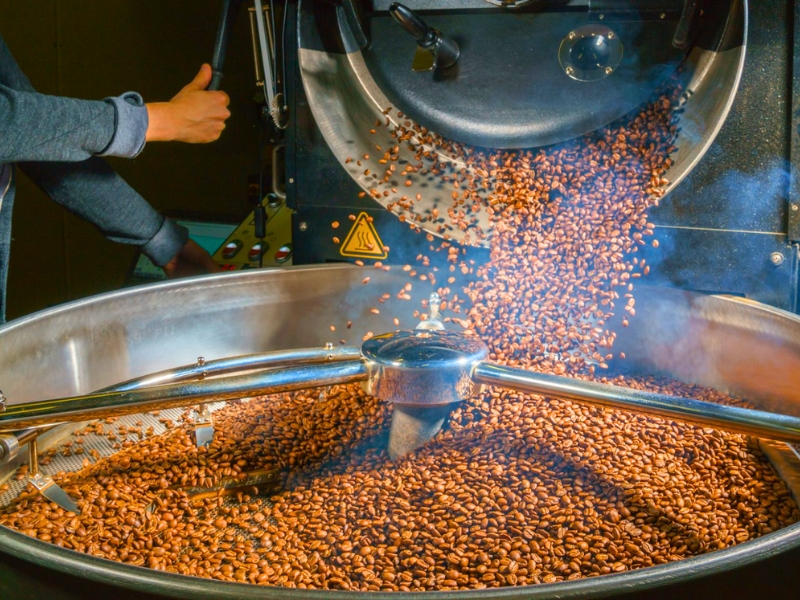
Under the flame, the bean transforms into fragrance
- 100°C: internal moisture evaporates;
- 150°C: the bean yellows, releasing a toasted bread aroma;
- 190°C: notes of caramel and malt appear;
- 200–225°C: the bean “cracks,” revealing all of its aroma.
A roasting of 8–10 minutes produces a light and tangy coffee, while longer roasting (14–16 minutes) creates a full-bodied coffee with bitter and chocolatey notes. After roasting, the beans must be cooled quickly to preserve volatile aromas.
Grinding
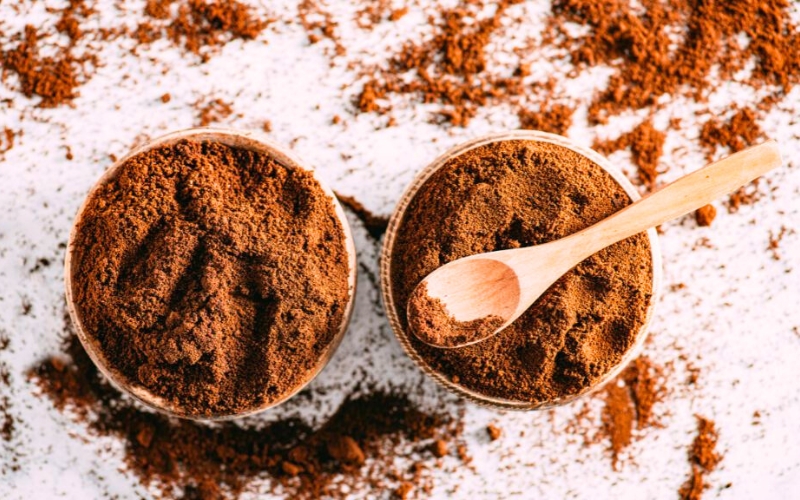
Coffee grinding: the final stage before extraction
Grinding consists of reducing roasted beans to powder suitable for the extraction method:
- fine grind for espresso,
- medium for Vietnamese phin or filter coffee,
- coarse for French press.
A regular and uniform grind is essential: if particle size varies too much, the coffee can become either too bitter or too weak. Precision grinders ensure balanced extraction and consistent taste.
Packaging and Storage of Vietnamese Coffee
The final stage of the production process, packaging allows the preservation of the freshness and aromas of roasted coffee. Vacuum-sealed or in airtight bags, it is protected from air, light, and moisture, ensuring consistent quality. Beyond its preservation function, the packaging reflects the identity and expertise of Vietnamese producers, who combine tradition and innovation to offer a strong, aromatic, and generous coffee, faithful to the spirit of Vietnam.
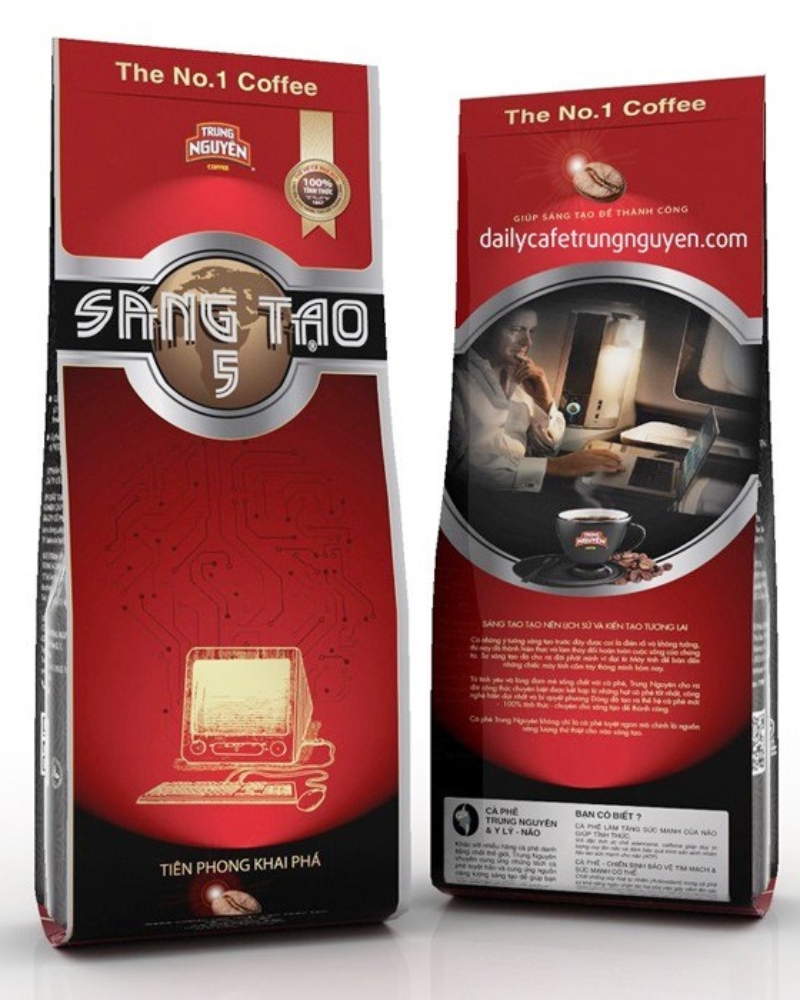
Trung Nguyen, pioneer of Vietnamese coffee of excellence
From local cooperatives to emblematic brands like Trung Nguyen or Highlands Coffee, Cong Coffee,… all work to promote a sustainable and fair culture while preserving the unique flavor signature of Vietnamese coffee, a symbol of passion and excellence.
👉 To learn more about the philosophy and expertise behind this culture, discover the documentary “The Tao of Coffee – Trung Nguyen”, produced by Discovery, a fascinating tribute to the art of Vietnamese coffee and those who keep it alive.
Main Varieties of Vietnamese Coffee
The richness of Vietnamese coffee lies not only in its cultivation or history, but also in the diversity of its varieties, each offering a unique palette of aromas and flavors. Three types of coffee dominate production in Vietnam: Arabica, Robusta, and Liberica (or Excelsa), known locally by the names of ca phe che, ca phe voi, and ca phe mit.
Ca phe che (Arabica)
Arabica, known locally as ca phe che, is Vietnam’s finest and most delicate coffee variety. Cultivated primarily in the mountainous regions of Lam Dong, around Dalat, as well as in northern provinces such as Son La and Dien Bien, it stands out for its subtle aroma, floral and fruity notes, and light acidity.
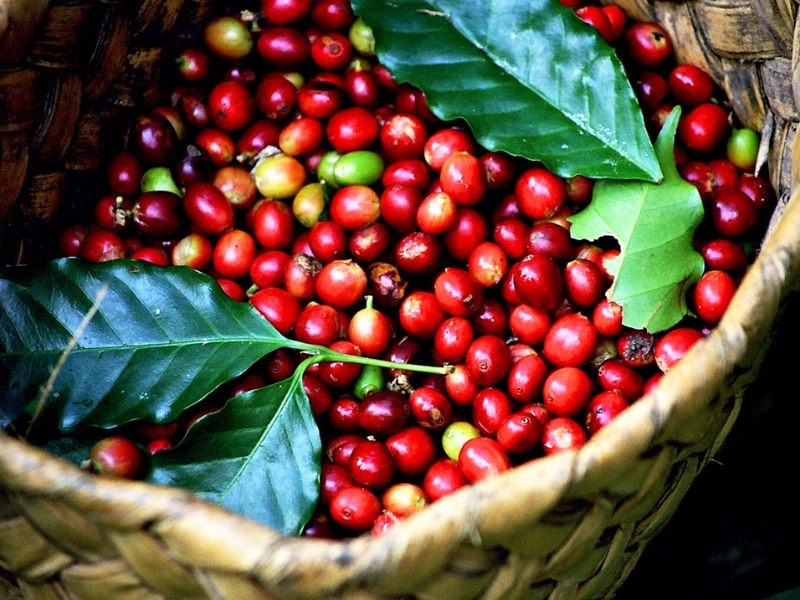
Ca phe che (Arabica), cultivated in the mountains of Dalat – a sweet and fragrant coffee with floral notes.
Less caffeinated but more aromatic than Robusta, it is favored for specialty coffees and high-end blends destined for export. Vietnamese Arabica is today recognized for its growing quality, particularly thanks to sustainable cultivation techniques and artisanal roasting.
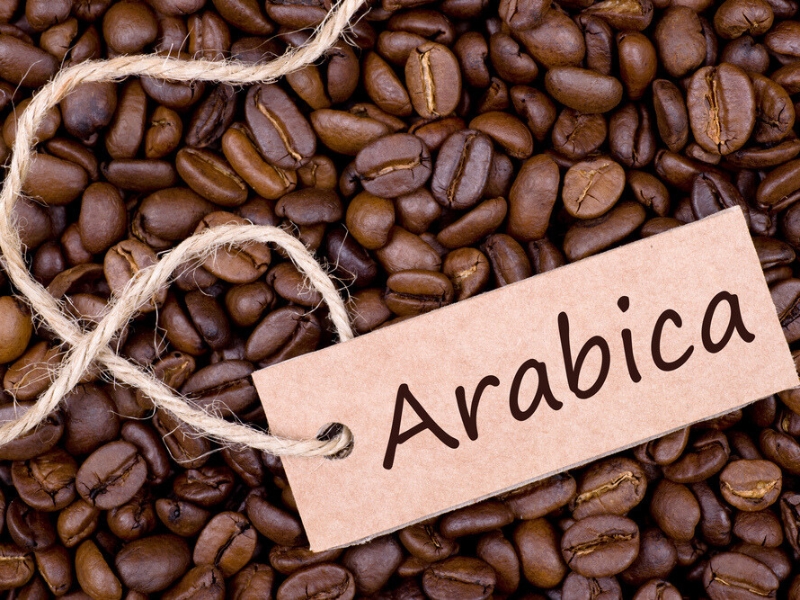
Ca phe che (Arabica) – Vietnamese high-altitude coffee, recognized for its finesse, delicate aroma, and premium quality
Ca phe voi (Robusta)
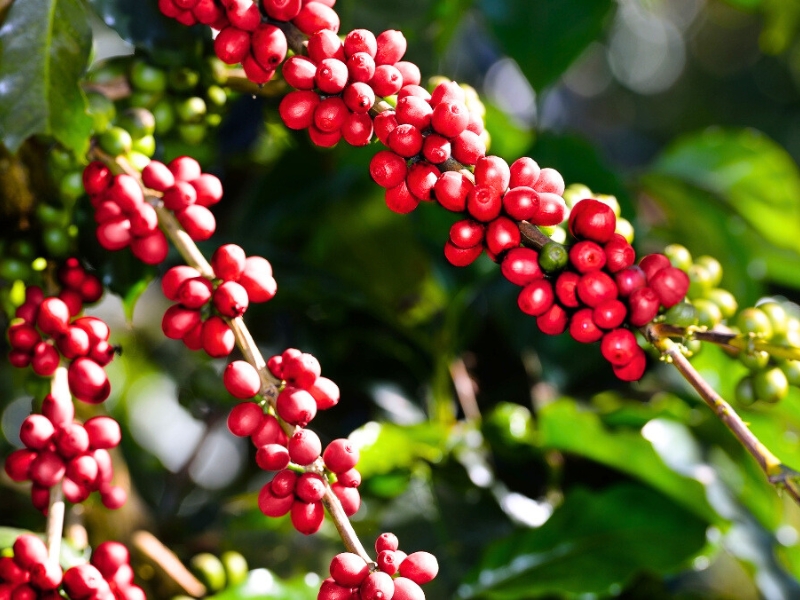
Robusta beans, with intense aroma and firm texture, give Vietnamese coffee its legendary strength
Robusta is the most widely cultivated variety in Vietnam, representing approximately 95% of national production. Originally from Central Africa, it has perfectly adapted to the basaltic soils and humid tropical climate of the Central Highlands – particularly in the provinces of Dak Lak, Gia Lai, and Kon Tum.
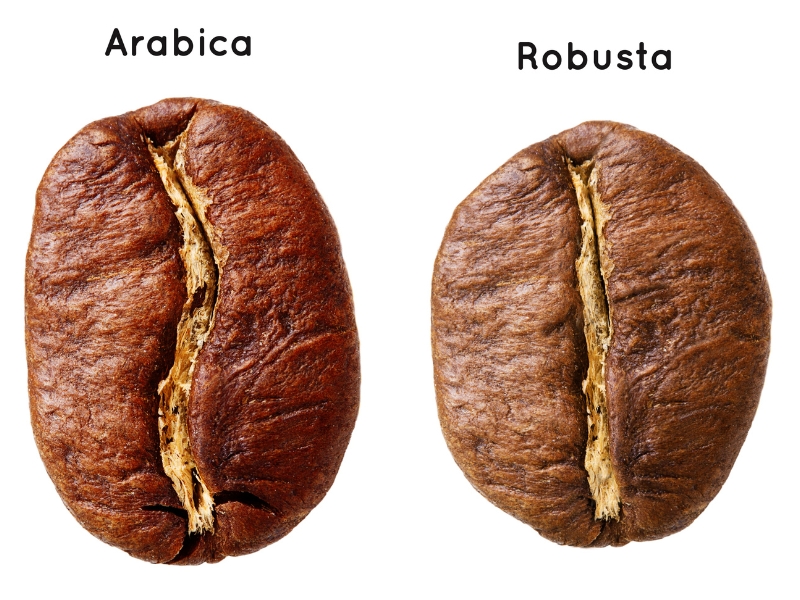
Arabica vs Robusta: one seduces by its finesse and acidity, the other by its power and intensity
Its taste is full-bodied, powerful, and slightly bitter, with a caffeine content twice that of Arabica. It is the typical coffee of Ca phe sua da, the famous Vietnamese iced coffee, where it pairs perfectly with sweetened condensed milk. Vietnamese Robusta is today exported worldwide, prized for its dense consistency, thick crema, and robust aromatic profile.
Excelsa Coffee (or Cherry Coffee)
Often called ca phe mit in Vietnam, this type of coffee belongs to the Liberica group, which includes two main varieties: Liberica and Excelsa.
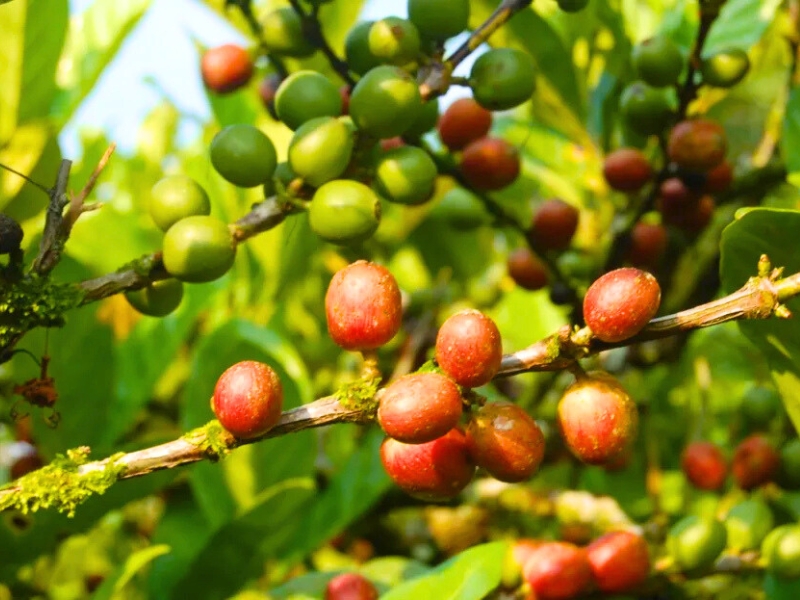
Ca phe mit: A rare Vietnamese coffee that captivates the world
Their beans are larger and more elongated than those of Arabica or Robusta, with a fruity aroma, slightly woody character, and marked acidity. Traditionally cultivated in the North-Central and some areas of South Vietnam, this coffee remains rare but sought after for its complex and exotic flavor.
Civet Coffee
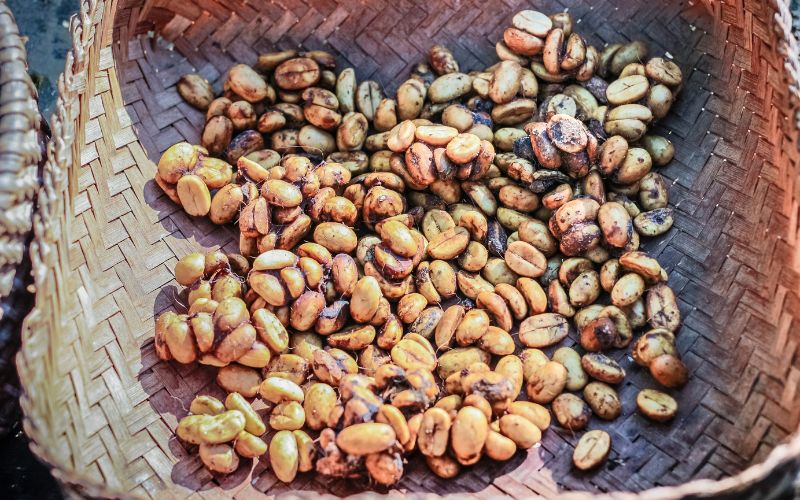
Treasure of the Vietnamese highlands, civet coffee charms with its sweet and complex aromas, the fruit of carefully transmitted expertise
Civet coffee is one of the rarest and most prestigious coffees in the world. Its beans come from coffee cherries ingested and expelled by the Asian palm civet, a small wild animal living in the tropical forests of Vietnam. This natural fermentation process gives the coffee fine, soft aromas and slightly caramelized notes, as well as a velvety consistency in the mouth. The rarity of the product and the exceptional care devoted to its preparation make civet coffee a symbol of refinement and luxury, highly appreciated by lovers of exceptional coffees.
Mocha Coffee
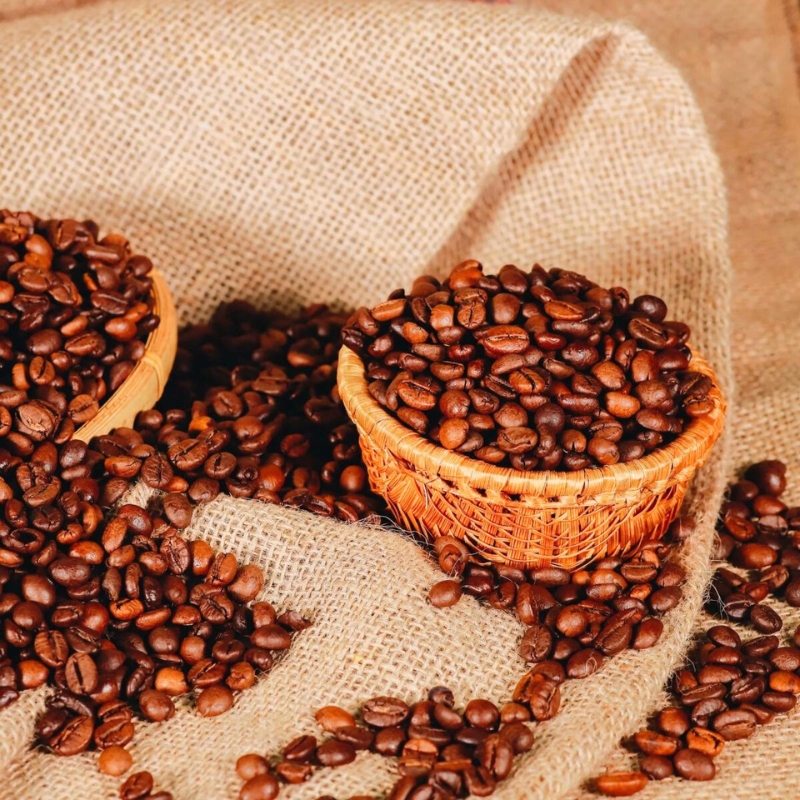
Recognized for its exceptional quality, Vietnamese Mocha is one of the most prized coffees: deep aromas, harmonious body, and rare finesse on the palate
Derived from a rare Arabica cru cultivated on the Lâm Đồng highlands, Mocha coffee seduces with its subtle bitterness, delicate aromas, and harmonious balance on the palate. Often used in blends to enrich gustatory complexity, it is particularly appreciated by discerning connoisseurs. Less common than Robusta, Mocha embodies at once the finesse, tradition, and elegance of Vietnamese coffee.
The Best Vietnamese Coffees to Taste
Ca phe den (Black Vietnamese Coffee)

Black coffee: simple, direct, irresistible
Let’s start with the great classic. Black coffee is pure black coffee, prepared with the famous phin filter. Served without milk or sugar, it offers a full-bodied, almost syrupy beverage, with a deep and intense taste – denser than a European espresso. It’s the ideal coffee to start the day right: just one sip to awaken the senses and keep going until midday.
Ca phe sua da (Vietnamese Iced Coffee)
Symbol of Vietnamese coffee worldwide, ca phe sua da unites the strength of black coffee with the sweetness of sweetened condensed milk, all poured over a generous amount of ice.
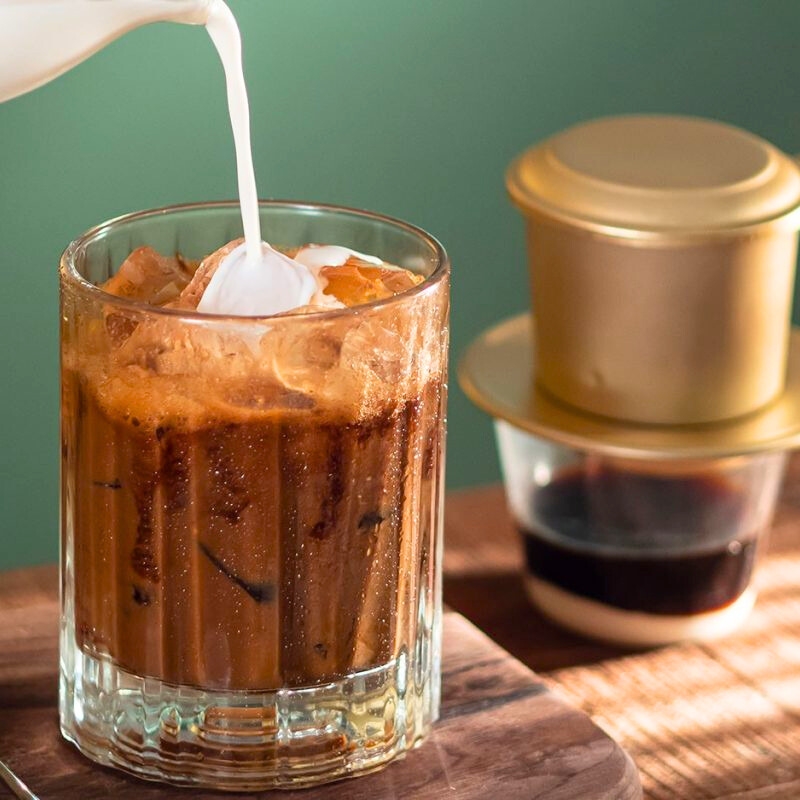
Ca phe sua da (Vietnamese iced coffee)
This beverage, at once refreshing and intense, is omnipresent on the streets of Hanoi as well as those of Saigon. Its silky consistency and balanced flavor make it the ideal companion for tropical days. Far more than a simple iced coffee, ca phe sua da is a daily ritual, a pleasure shared among friends on a café terrace, a symbol of Vietnamese conviviality.
Ca phe trung (Egg Coffee)
Born in Hanoi in the 1940s, cà phê trứng is an emblematic invention of Café Giảng, today become a true legend. This bold coffee combines a whipped egg yolk with sweetened condensed milk, poured over a full-bodied black coffee prepared with the phin. The mixture creates a rich, creamy, and fragrant foam reminiscent of the consistency of tiramisu or English custard.

Ca phe trung (Egg coffee)
Served hot or cold, it is savored slowly, like a dessert in a cup. Unique in the world, ca phe trung embodies all the creativity and refinement of Vietnamese coffee culture, where tradition and indulgence meet with every sip.
Bac xiu (Iced White Coffee)
Originating in Saigon, bac xiu is a sweet and light beverage born in the old street cafés frequented by milk lovers more than coffee lovers. It combines sweetened condensed milk, a bit of hot milk, and just a touch of black coffee, creating a subtle balance between creaminess and bitterness.
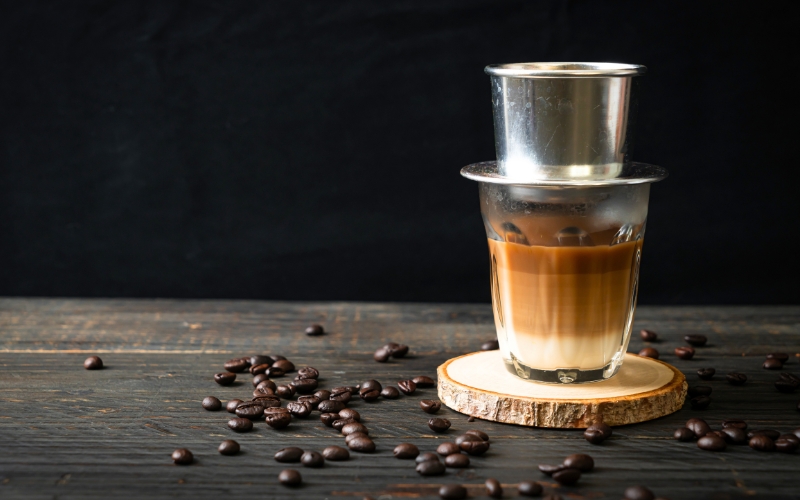
Taste the nostalgia of old Saigon in a glass of Bac xiu
Served cold, bac xiu wins with its milky sweetness and delicate fragrance, ideal for those seeking a sweeter and more refreshing version of Vietnamese coffee. Today it is a popular beverage throughout the country, a symbol of southern sweetness and the modernity of Vietnamese cafés.
Ca phe sua dua (Coconut Milk Coffee)
Ca phe sua dua is one of the newest and most seductive creations of Vietnamese coffee culture. This beverage unites a full-bodied black coffee with the velvety cream of coconut milk, sometimes sweetened with a bit of sweetened condensed milk. Served with ice, it reveals a velvety consistency and an irresistible tropical fragrance.
Originating in South Vietnam, particularly in the regions of Ben Tre or Can Tho, this coffee at once sweet and exotic evokes the freshness of tropical orchards and the conviviality of the country. A perfect marriage of intensity and sweetness – to be savored slowly, like an invitation to travel.
Ca phe sua chua (Yogurt Coffee)
Halfway between dessert and beverage, ca phe sua chua is one of the most original creations of Vietnamese coffee culture. It unites the aromatic strength of Vietnamese black coffee with the creamy freshness of yogurt, for a result at once creamy, tangy, and stimulating.
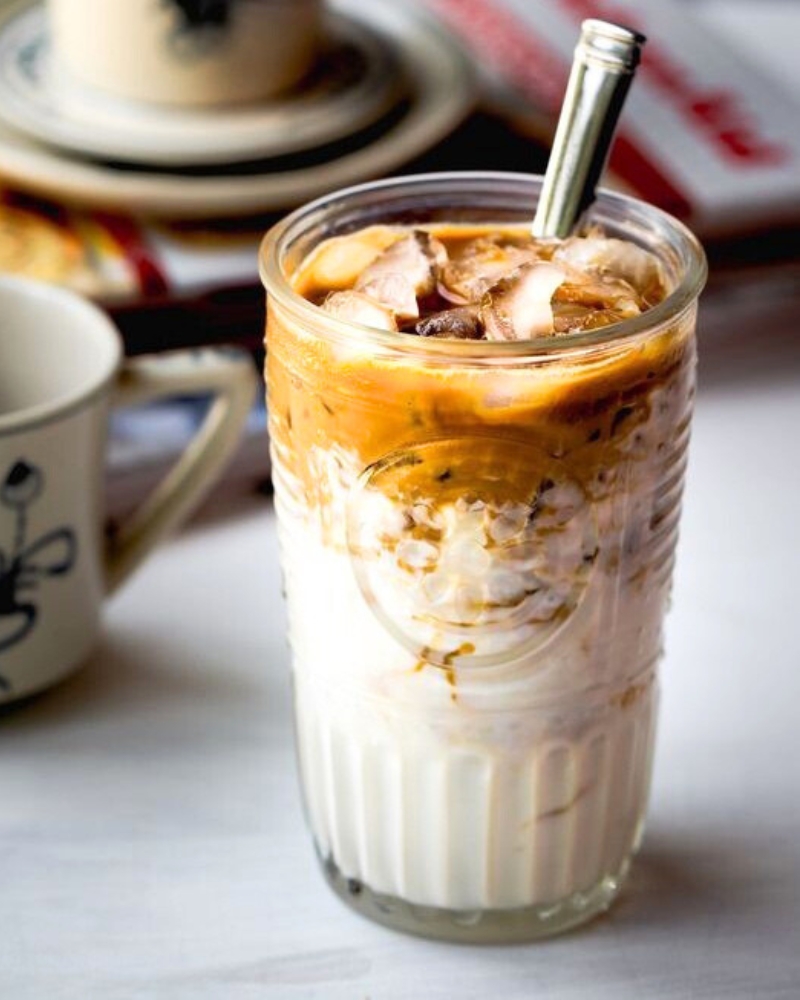
Served cold, sometimes enriched with shaved ice, it offers a surprising taste experience, balancing milky sweetness and light acidity. In Hanoi as in Saigon, this bold coffee seduces the curious and lovers of new sensations – a perfect symbol of Vietnamese creativity around coffee.
In Vietnam, coffee is part of daily life. It is savored early in the morning on the street, among friends or colleagues, exchanging a few words before starting the day. It is a simple habit, but deeply rooted in local culture. Its unique taste — at once full-bodied, sweet, and fragrant — reflects the character of the country: direct, generous, and authentic. Whether prepared with a metal filter, served cold, or mixed with condensed milk, Vietnamese coffee is an experience in itself. And if you’re looking for something to bring back from Vietnam, think of a package of local coffee: a fragrant memory, easy to give, that will remind you with every cup of the flavors and conviviality of this fascinating country.