+84 9 75 46 33 10 (Whatsapp)
  info@horizon-vietnamtravel.com
  Français
  Español
  Português
  Deutsch

Vietnamese Family Name
Table of contents
In Vietnam, the family name holds an essential place in each individual’s identity. A true heritage of ancestors, it embodies the deep bond between family, descent, and collective memory. Passed down from generation to generation, it symbolizes belonging to a community of origin, but also respect for the values of lineage and family piety that structure Vietnamese society. Notable fact: the vast majority of Vietnamese share a small number of family names, among which Nguyen, Tran, and Le dominate widely. These surnames, inherited from ancient royal dynasties, bear witness both to the historical continuity of the country and to the strength of its cultural traditions.
Origins and History
The history of Vietnamese family names is closely linked to the political and cultural evolution of the country. Under the influence of Chinese civilization, Vietnam early adopted the system of hereditary family names, used to identify descent and assert respect for ancestors. This model became established in the first centuries of our era, when the country was part of the Sinified world.

Over time, the great Vietnamese dynasties — Ly, Tran, Le then Nguyen — profoundly marked this tradition. Emperors, by granting their family name to worthy subjects or to certain regions, contributed to the massive spread of these surnames throughout the country. Thus, bearing a name like Nguyen or Tran could once mean belonging to a royal clan, a political alliance, or the protection of a dynasty. These practices shaped a collective identity in which the family name transcends mere individuality: it becomes witness to a social and historical bond, reflection of a Vietnam united by the memory of its origins.
Most Common Family Names
Although Vietnam has hundreds of family names, some dominate the population widely. This concentration is explained by historical legacies, political alliances, and dynastic transmissions over the centuries. The family name Nguyen is by far the most widespread: about 40% of Vietnamese bear it today. This surname is associated with the last imperial dynasty (1802-1945), whose rulers often granted their name to subjects as a sign of loyalty or gratitude.
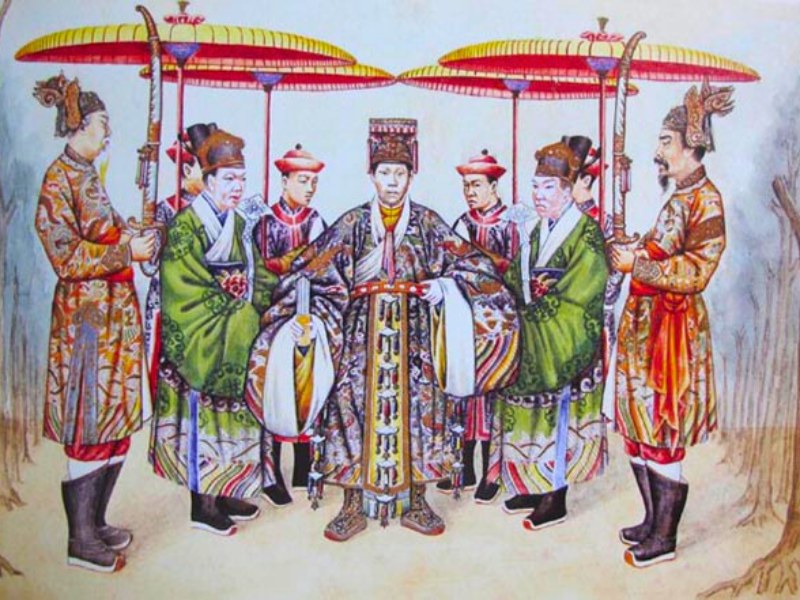
The Nguyen family name is the most widespread in Vietnam, borne by millions of people throughout the country
Following is Tran, symbol of a powerful medieval dynasty (13th-14th centuries), famous for repelling Mongol invasions and consolidating Vietnamese national identity. The name Le also evokes a great royal lineage (15th-18th centuries), which marked the golden age of Confucianism and Vietnamese scholarly culture.
Among other very common surnames are:
- Pham, historically linked to families of scholars and mandarins;
- Huynh (or Hoang, depending on the region), which means “yellow” or “royal”, symbol of nobility and light;
- Vu (or Vo), which means “martial”, evoking courage and military tradition.
These great names, omnipresent in Vietnamese society, reflect both the political history of the country and the family and moral values that each generation perpetuates.
Structure of the Vietnamese Name
The structure of the Vietnamese name follows a particular order that reflects the collective conception of family and society:
Family Name → Middle Name → Personal Name
For example, in the name Nguyen Thi Minh Khai,
- Nguyen is the family name, inherited from ancestors and transmitted by the father;
- Thi is a middle name traditionally feminine (for men, Van is often found);
- Minh Khai is the personal name, chosen to express the wishes, virtues, or qualities the family hopes for the child.
This system underlines the importance of family before the individual, a value deeply rooted in Vietnamese culture. The family name comes first, not only to recall origins and descent, but also to assert belonging to a broader social and moral ensemble. Thus, the Vietnamese name is not merely a personal identity: it is the reflection of a family history, an ideal, and a cultural continuity.
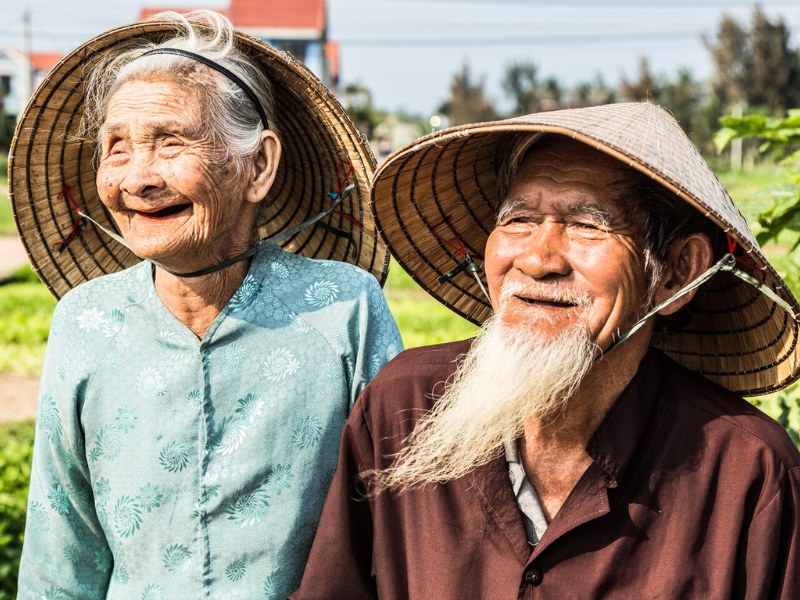
In contemporary Vietnam, family names remain carriers of strong historical and symbolic weight, while adapting to modernity. They continue to embody the bond with ancestors and family values, but also reflect the country’s openness to cultural and social diversity.
The rise of the Vietnamese diaspora throughout the world has introduced new ways of writing or adapting names, particularly in communities in Europe, America, or Australia. Mixed marriages and intercultural exchanges have also contributed to enriching this tradition, sometimes combining Vietnamese names with foreign surnames or vice versa. Despite these evolutions, the family name remains an essential point of reference: it connects generations, bears witness to origins, and perpetuates the memory of a people linked to their identity.