+84 9 75 46 33 10 (Whatsapp)
  info@horizon-vietnamtravel.com
  Français
  Español
  Português
  Deutsch

Vietnamese Spring Rolls
Table of contents
Gỏi cuốn, more commonly known as Vietnamese spring rolls, is today one of the most beloved dishes in the world. Fresh, healthy and delicately fragrant, it embodies by itself the balance and lightness of Vietnamese cuisine. A convivial and colorful dish, it is enjoyed both as an appetizer and as a light meal, especially on beautiful days. Its fame extends far beyond Vietnam’s borders: gỏi cuốn regularly appears in rankings of the world’s most popular dishes, alongside phở or bánh mì. Its simple preparation contrasts with the richness of its flavors, which explains why it has conquered food lovers around the world and has become established in Asian as well as Western kitchens.
Origin of Vietnamese Spring Rolls
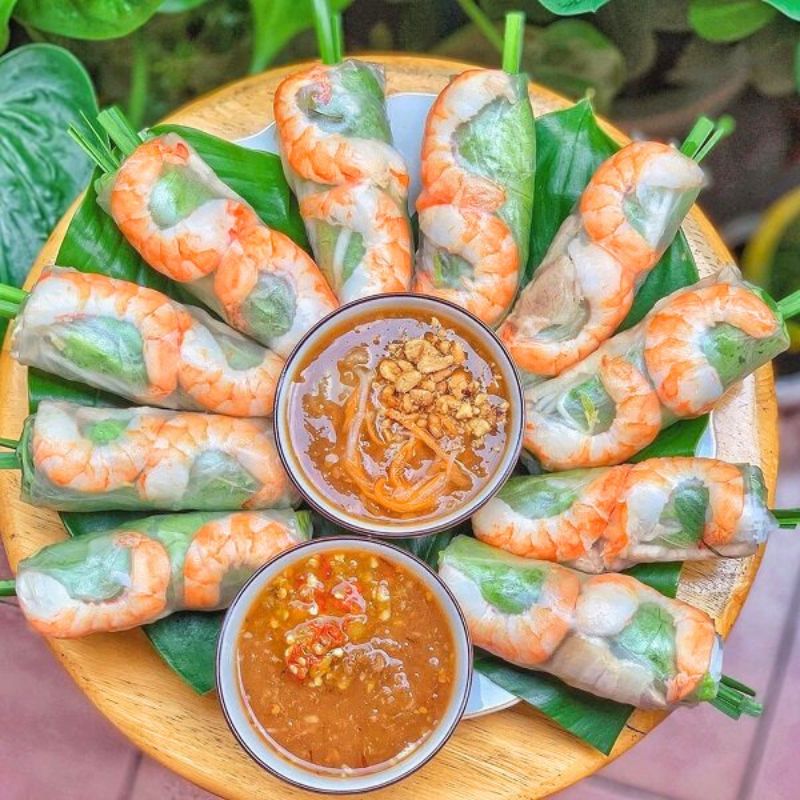
Vietnamese spring rolls – a fresh and colorful delicacy, symbol of light and balanced Vietnamese cuisine
No one knows the origin of spring rolls, since they exist in every corner of Vietnam, with each region having its own version. However, there is a theory that gỏi cuốn would be a variation of Chinese popiah, but this is very likely incorrect, since the fresh and light nature of spring rolls differs sharply from the richness of popiah. Moreover, rolled dishes exist in all the world’s cuisines, including many other much more popular dishes such as Korean gimbap, Japanese sushi and even French crêpes!
Main Elements
Despite the diversity of versions, Vietnamese spring rolls consist of 5 main elements: proteins, vegetables, aromatic herbs, rice vermicelli and rice sheets. However, this dish would not be complete without the sauce – the element that will make each spring roll a unique experience. Each of these elements can vary depending on the regions, and in this article we will try to present you with an overview of spring rolls based on the variation of these five elements.
Proteins
Proteins constitute one of the main elements of Vietnamese spring rolls. Boiled pork and shrimp are most commonly found, but the variants are numerous: beef, slices of pork belly, pork ears, duck, grilled or steamed fish, Vietnamese sausage, or omelet. Each ingredient can be used alone or combined with others according to tastes and regional traditions.
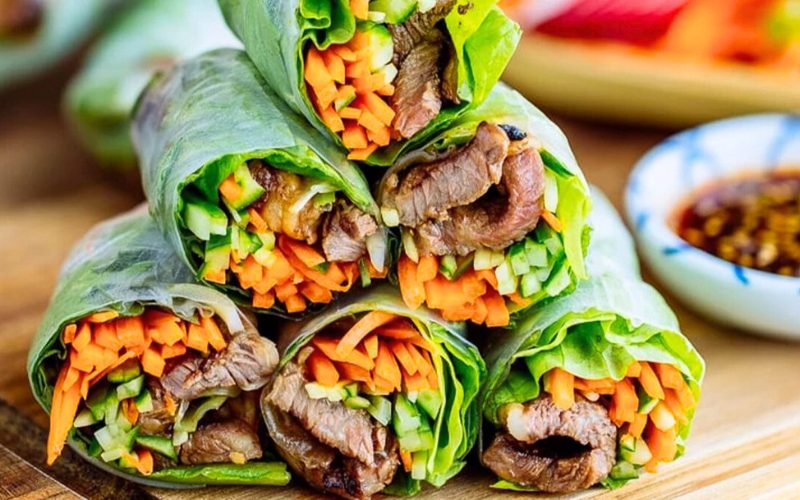
Beef, often grilled or boiled, adds a protein-rich touch to Vietnamese spring rolls
The preparation remains simple: the meats are mostly boiled, steamed or grilled, then sliced thinly or cut into julienne. Beef, duck and pork belly are generally cut into thin slices, while omelets, Vietnamese sausages and especially pork ears, appreciated for their slightly crispy texture, are served in thin julienne.
Aromatic Herbs and Vegetables
Aromatic herbs and fresh vegetables are at the heart of Vietnamese spring rolls (gỏi cuốn). Always consumed raw, they bring a unique freshness to the dish, a delicate fragrance and a crispy texture that perfectly balance the vermicelli and proteins. Depending on the regions, the composition varies, but the spirit remains the same: a subtle harmony between flavors, aromas and natural textures.
Among the most used herbs are Vietnamese mint (húng lủi), cilantro (ngò), Thai basil (húng quế), perilla (tía tô) and sometimes Vietnamese cilantro (rau răm). Lettuce (xà lách) is almost always present: it serves as a base to wrap the other herbs before rolling them.
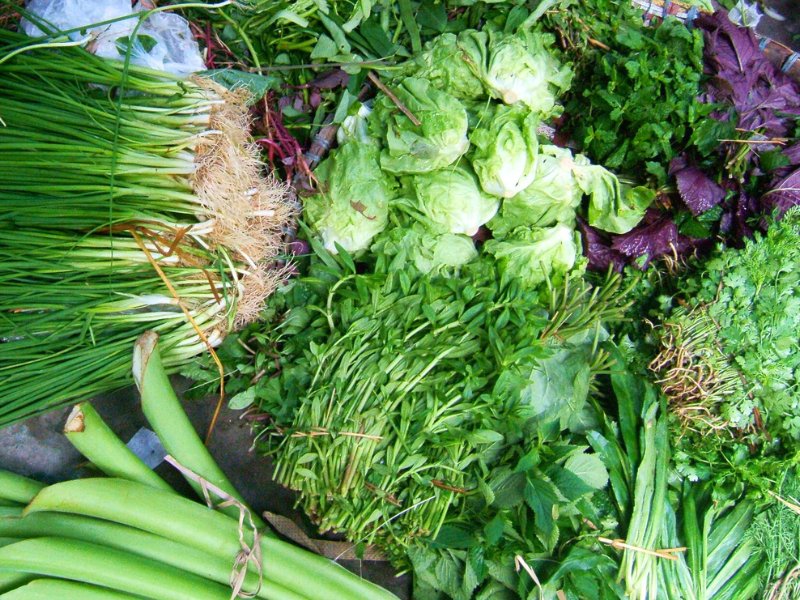
In Vietnam, herbs and vegetables are king — spring rolls overflow with them!
In some regions, such as Tây Ninh, the famous bánh tráng Trảng Bàng is enjoyed with a wide variety of local herbs and vegetables, often from wild harvesting.
Vegetables add color and freshness: cucumber, carrot, green banana or marinated green papaya bring taste, crunchiness and a tangy note at the same time. This vegetable ensemble, rich in fiber and fragrances, is why this dish is called “spring rolls” — a true celebration of nature, lightness and balance at the heart of Vietnamese cuisine.
The Vermicelli
In gỏi cuốn, rice vermicelli (bún) are an essential ingredient. Fine and light, they bring a soft and balanced texture to the roll. They are often used fresh (bún tươi), but if you cannot find them, you can use dried rice vermicelli, which should be cooked and then rinsed in cold water before rolling them.
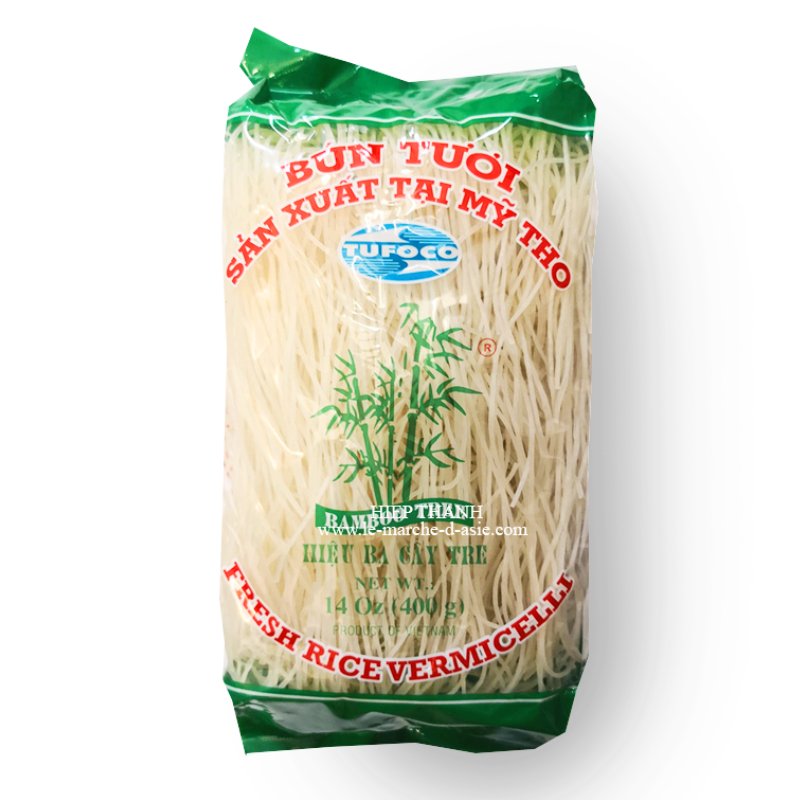
Easy to store and prepare, dried rice vermicelli perfectly replace fresh noodles in goi cuon
They substitute the usual rice in a Vietnamese meal and make the dish more complete without weighing it down. Vermicelli harmoniously tie together the fresh herbs, crispy vegetables and proteins in every bite.
Rice Sheets
Rice sheets (bánh tráng) are the wrapper of Vietnamese spring rolls (gỏi cuốn). Thin, flexible and almost transparent, they serve to roll all the ingredients: vermicelli, fresh herbs, vegetables and shrimp. They are generally sold dry, then softened with a little warm water before being used.
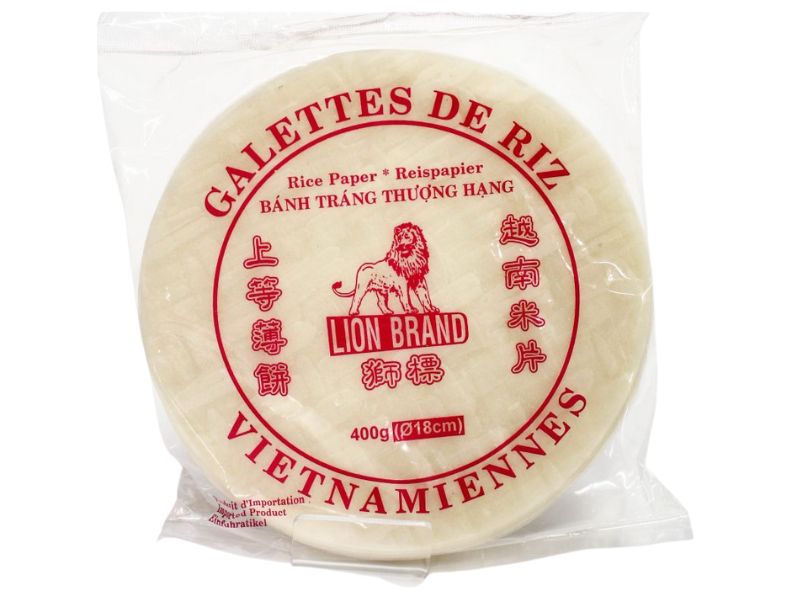
In the Tây Ninh region, you find a special sheet called bánh tráng phơi sương Trảng Bàng, sun-dried and then exposed to dew to maintain a soft consistency and a slightly salty flavor. Thanks to their lightness and neutrality, rice sheets enhance the freshness and color of the ingredients, giving gỏi cuốn all its elegance and flavor.
Accompanying Sauces
Accompanying sauces play an essential role in the tasting of Vietnamese spring rolls (gỏi cuốn). They enhance the freshness of the ingredients and bring a note of character to every bite.
Depending on the regions of Vietnam, different traditional Vietnamese sauces are used:
- Tương đen (hoisin sauce) – sweet and slightly sugared, made from fermented soy paste, often mixed with sautéed garlic, sugar and ground peanuts.
- Mắm nêm – a fermented anchovy sauce typical of central Vietnam, flavored with pineapple juice, sugar, garlic and chili for a powerful and authentic taste.
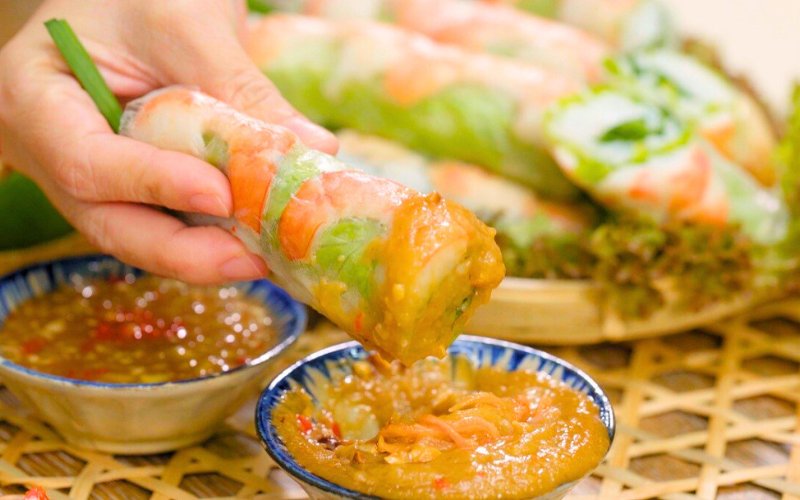
Creamy and sweet, peanut sauce enhances every bite of goi cuon
- Bơ đậu phộng (peanut sauce) – creamy and delicious, composed of peanut paste, hoisin sauce and sometimes a little nước mắm. It perfectly accompanies shrimp or vegetarian rolls.
- Nước mắm – the most popular sauce, made with fish sauce, water, sugar, lime, garlic and chili. Light and tangy, it balances salty, sweet, sour and spicy.
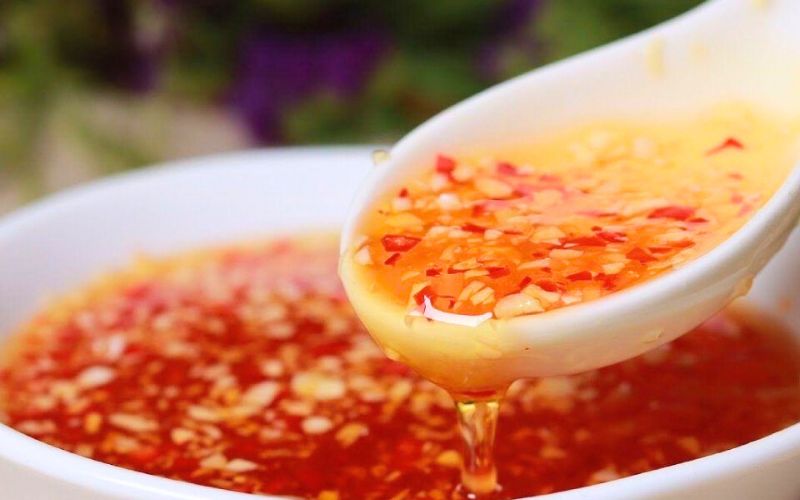
Versatile and balanced, nước mắm chấm sauce accompanies all Vietnamese dishes
These four emblematic sauces represent the richness and diversity of Vietnamese cuisine. They transform gỏi cuốn into a complete taste experience, uniting freshness, balance and authenticity.
Recipe for Vietnamese Spring Rolls
In this section, Horizon Vietnam Travel will teach you a simple way to prepare gỏi cuốn, but you can experiment with other variations according to your taste. Discover the recipe for gỏi cuốn with us!
Ingredients for 4 People
- Rice sheets (approximately 20 sheets)
- Dried rice vermicelli (300 g)
- Shrimp: 10
- Pork: 300 g
- Green salad
- Aromatic herbs (cilantro, mint…)
- Carrots: 2
- Cucumber: 2
- Pineapple: 1
Preparation
Step 1: Cook the meat in boiling water over medium heat for approximately 15 minutes. Note: add a little shallot and salt for more flavor.
Step 2: Meanwhile, cook the shrimp in boiling water in another pot for 3-5 minutes with salt.
Step 3: Place the cooked shrimp and meat on a plate.
Step 4: Prepare a small omelet. Try to make a rather thin omelet
Step 5: Cut the vegetables: carrot, cucumber into matchsticks. Cut the pineapple in half, then into matchsticks. Then, cut the omelet into strips, the meat into thin slices, the shrimp in half after shelling them
Step 6: Put the dried rice vermicelli in hot water for a few minutes
Step 7: Prepare the sauce: In a bowl, put 2 tablespoons of nước mắm sauce, 2 tablespoons of sugar, 2 tablespoons of rice vinegar and 8 tablespoons of water. Mix well then add some minced chili and garlic.
Step 8: Roll the gỏi cuốn: Wet a rice sheet. Add in order: the salad, the aromatic herbs, the omelet, the pineapple, the carrot, the cucumber, the rice vermicelli, the meat and the shrimp. Fold the 2 sides of the sheet and roll tightly until the end of the sheet.
Recipe in Video
Here, it’s time to enjoy! Bon appétit!
In conclusion, Vietnamese spring rolls perfectly embody the essence of Vietnamese cuisine: freshness, balance and simplicity. Made with healthy ingredients such as shrimp, crispy vegetables and aromatic herbs wrapped in a thin rice sheet, these rolls offer an explosion of flavors in every bite. Accompanied by nước mắm sauce or peanut sauce, they represent not only a delicious dish, but also a symbol of conviviality and sharing. Whether enjoyed as an appetizer or as a snack, spring rolls bring a touch of lightness and refinement, inviting you to discover and appreciate the richness of Vietnamese gastronomy.