+84 9 75 46 33 10 (Whatsapp)
  info@horizon-vietnamtravel.com
  Français
  Español
  Português
  Deutsch

The Vietnamese Family
Table of contents
The family is the first social environment of a human being, in which they absorb all kinds of information to form their habits, their understanding of the world, and above all, their values. To understand the characteristics of a Vietnamese person, it is necessary to understand the Vietnamese family.
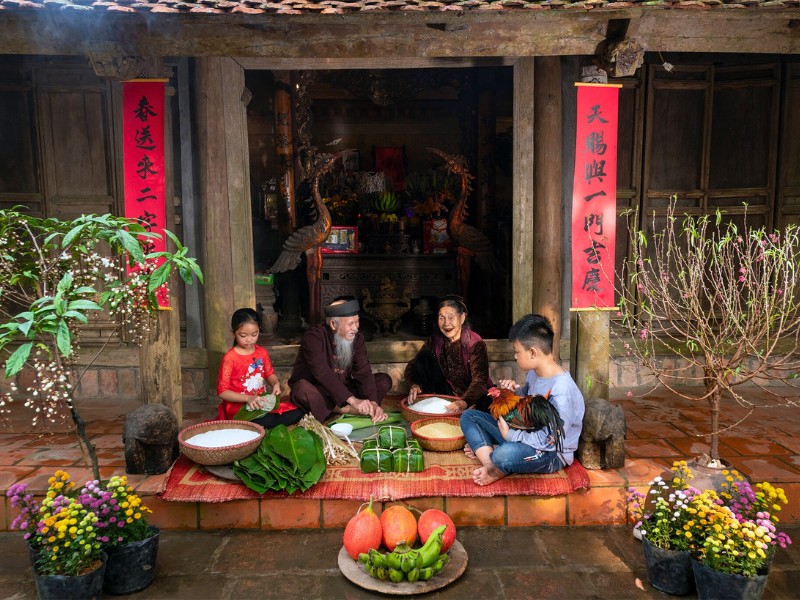
The Vietnamese family during Tet
Members of the Traditional Vietnamese Family
Most often, it consists of 4 to 8 people, including 2 generations (parents and children) or 3 generations (with grandparents). In history, especially in aristocratic families, 4 to 5 generations lived together. However, this form of family rather expresses Confucian influence than the original traditions of Vietnam.
The current patriarchy is also one of the clear influences of Confucianism on the family system. However, Vietnamese patriarchy is a much gentler and more lenient version compared to the Chinese one. Beyond his authority, the Vietnamese father also has obligations: he must be responsible for the family’s financial life; protect it; educate his children and feed them. He must also be a role model for his children.
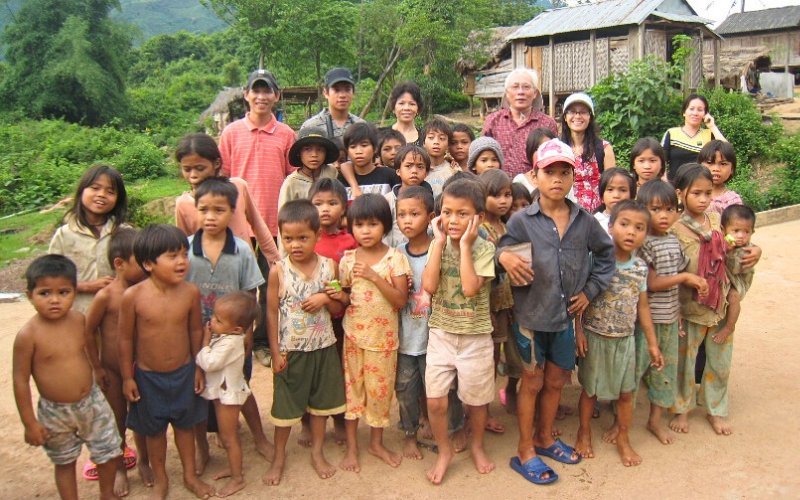
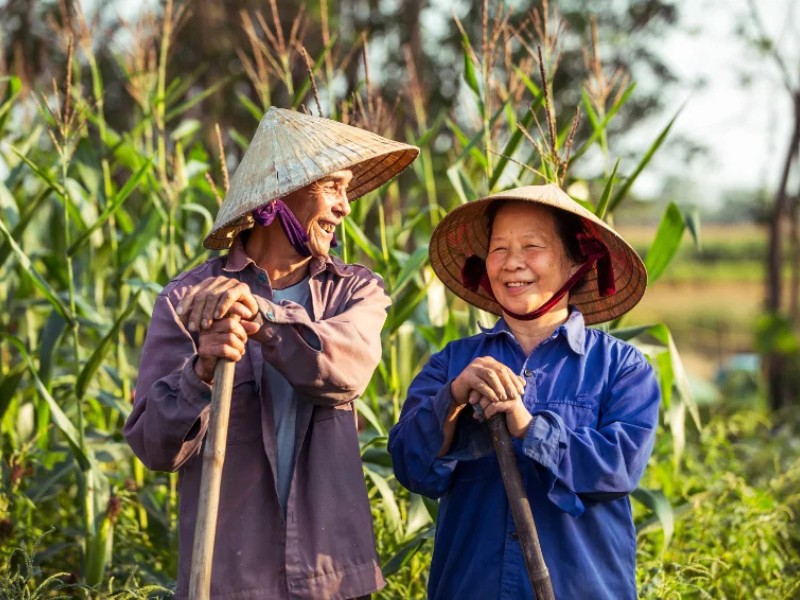
Large families in northern Vietnam
The Paramount Role of the Mother in the Vietnamese Family
The role of the mother holds a central and highly respected place within the Vietnamese family. According to E. Luro, in his work “Le pays d’Annam,” the Vietnamese woman would benefit from a more honorable status compared to the Chinese woman in her traditional society.
Contrary to the Confucian system, in which family authority passes to the eldest son after the father’s death, the mother becomes the main figure of authority in many Vietnamese families. She embodies stability, wisdom, and the transmission of family values.
In Vietnamese culture, the education of children is largely based on the mother. A well-known proverb illustrates this perfectly: “Con hư tại mẹ, cháu hư tại bà” — A misbehaved son is the mother’s fault, and a misbehaved grandchild is the grandmother’s fault. This expression highlights the educational and moral responsibility of women within the household.
In the conjugal relationship, the Vietnamese woman is equally valued and respected. She is perceived as an essential partner to her husband’s success. Another popular saying reminds us: “Của chồng, công vợ” — The husband’s wealth comes from the work and sacrifices of his wife. Thus, the woman is not only a wife or mother, but a silent and powerful force behind the harmony and prosperity of the household.
A United Family
The bond between parents and children is very strong in the Vietnamese family. Filial love is the most important value in the family, and even in society’s philosophy. It is natural for Vietnamese people to live with their eldest or youngest son during their old age so that the child can care for them. It is considered that having an elderly person in the family is the greatest of happiness. Trần Tiến, one of Vietnam’s greatest contemporary composers, wrote in one of his songs: everything glorious is worth nothing if you don’t have your parents by your side.
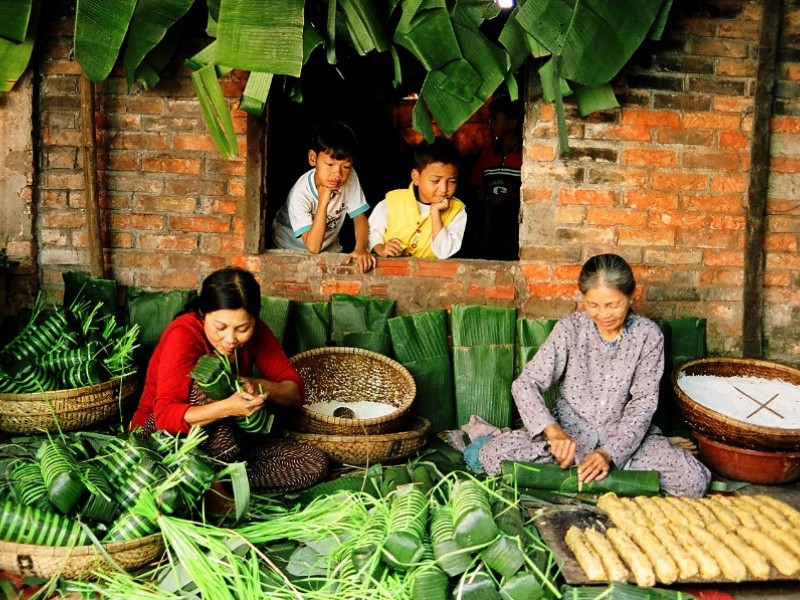
The Vietnamese family preparing for the Tet festival
On the other hand, the sibling bond is also very strong. The older brother has responsibilities toward his younger brothers and sisters if, unfortunately, they lose their parents. Vietnamese people consider helping their siblings to be a clear responsibility when they are able. “Sảy cha còn chú, sảy mẹ bú dì,” one of the most well-known proverbs on this subject, says: you rely on your uncle when your father has died, and on your aunt when your mother has died.
Family is one of the most important values in the daily and spiritual life of Vietnamese people. This expresses not only Confucian influence, but also the traditional values of Vietnamese culture. If you are also a family and wish to discover Vietnam, check out our family vacation ideas in Vietnam!